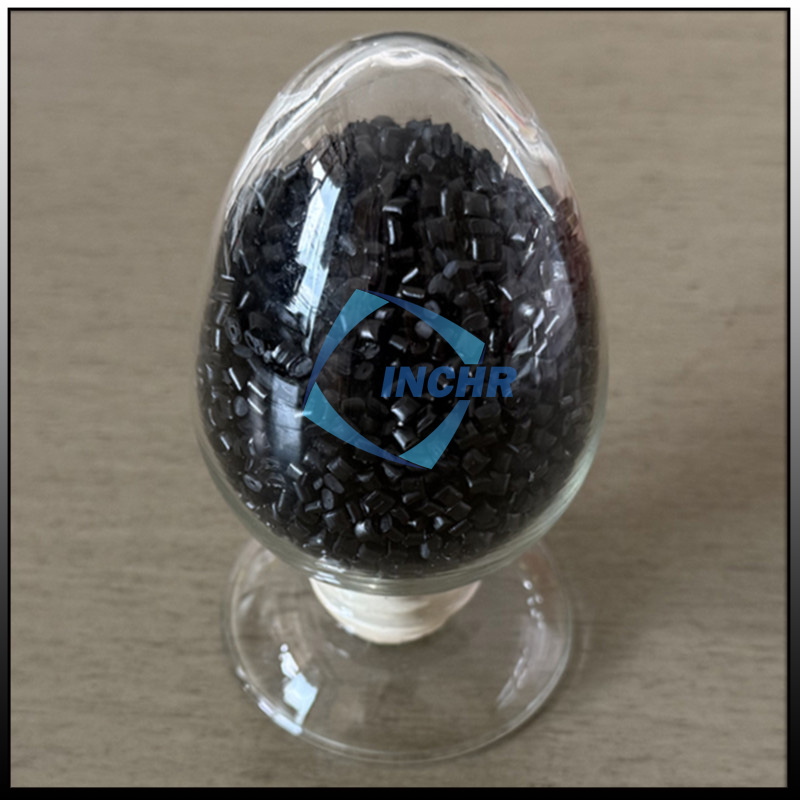
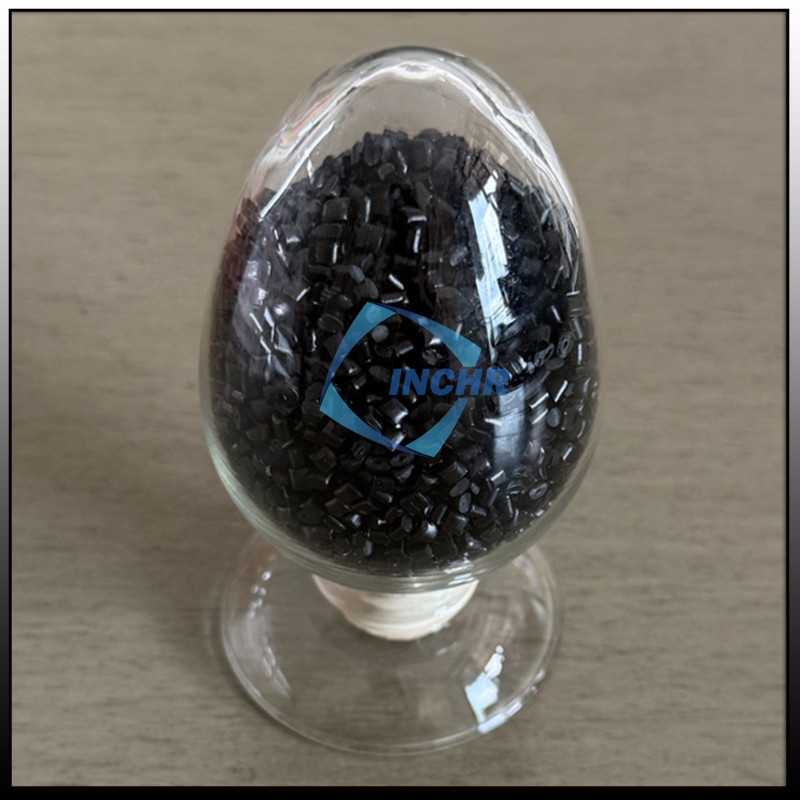
In the aerospace industry, where precision, reliability, and safety are paramount, every component and material plays a critical role. One such often overlooked but vital material is antistatic masterbatch, which is increasingly used to combat the damaging effects of static electricity. The aerospace industry faces unique challenges when it comes to electrostatic discharge (ESD), which can severely disrupt the function of sensitive electronic systems. Antistatic masterbatch offers an effective solution to this problem, ensuring smooth operation and safety in the design, manufacturing, and operation of aerospace technologies.
I、What is Antistatic Masterbatch?
Antistatic masterbatch is a type of concentrated material additive that is incorporated into plastic resins to impart antistatic properties. These additives prevent the buildup of static charges on surfaces, reducing the risk of electrostatic discharge (ESD) that can damage sensitive electronic components or trigger hazardous events in certain environments.
For the aerospace industry, which relies heavily on complex and sensitive electronics, the ability to control static electricity is crucial. Components such as avionics, navigation systems, communication devices, and radar equipment are susceptible to damage from even small amounts of static charge. This makes antistatic masterbatch an essential material in the manufacturing of various aerospace components.
II、The Importance of Antistatic Masterbatch in Aerospace
1. Protection of Electronic Components
Aerospace systems depend on the flawless operation of sensitive electronics. Static discharge can cause irreversible damage to these components, leading to malfunctions or complete failure. For instance, during aircraft assembly, static electricity can damage flight control systems or onboard communication devices. By incorporating antistatic masterbatch into manufacturing processes, these risks can be mitigated, ensuring the long-term reliability of critical systems.
2.Ensuring Safety in Hazardous Environments
In aerospace applications, particularly in the manufacturing of aircraft or spacecraft, there is a risk of explosion or fire in the presence of flammable gases or materials. Static discharge in such environments can lead to catastrophic results. Antistatic masterbatch helps in controlling the buildup of static electricity, thereby reducing the risk of ignition and improving safety in these highly sensitive environments.
3.Prevention of Dust and Debris Attraction
Static electricity attracts dust and debris, which can accumulate on sensitive equipment, impairing their function. For instance, in spacecraft manufacturing, any foreign particles can damage delicate components. Antistatic materials prevent this accumulation by neutralizing static charges, helping to maintain a clean and contaminant-free working environment.
4.Improving Product Longevity
The aerospace industry often operates in extreme conditions, such as high altitudes and exposure to temperature fluctuations. Antistatic masterbatch enhances the durability of materials used in aerospace applications, ensuring that they remain functional over a longer period. By preventing static build-up, manufacturers can reduce wear and tear on critical parts, leading to lower maintenance costs and a longer operational lifespan.
II. How Antistatic Masterbatch Benefits Aerospace Manufacturers
Antistatic masterbatch helps aerospace manufacturers address several key challenges in production and operational safety:
- Enhanced Quality Control: By reducing the risk of static-induced defects in the manufacturing process, antistatic masterbatch ensures that aerospace components meet stringent quality standards.
- Cost Savings: Incorporating antistatic properties into components can help reduce the need for frequent repairs and replacements of sensitive electronics, leading to cost savings over time.
- Compliance with Industry Standards: Aerospace manufacturers must comply with strict regulations and standards to ensure the safety and performance of their products. Using antistatic masterbatch helps ensure compliance with these industry-specific standards for electrostatic discharge protection.
III. Conclusion
The use of antistatic masterbatch in the aerospace industry is not just a preventive measure—it is a vital investment in the safety, functionality, and longevity of aerospace components. By minimizing the risks associated with electrostatic discharge, aerospace manufacturers can protect sensitive electronic systems, reduce the potential for dangerous incidents, and ensure the highest levels of quality and performance in their products.
As technology advances and the aerospace industry continues to evolve, the role of antistatic materials will only grow. Aerospace companies that invest in these solutions today will be better prepared to meet the challenges of tomorrow’s aviation and space exploration needs.
Learn More About Antistatic Solutions for Aerospace
For more information on how antistatic masterbatch can be integrated into your aerospace applications, visit contact us today to speak with an expert in the field.