Choosing the right plastic material can directly affect product strength, dimensional stability, manufacturing efficiency, and overall cost. When comparing carbon fiber reinforced ABS vs ABS , the main difference is the addition of carbon fibers to the ABS base resin, which can improve stiffness and reduce deformation under load.
Standard ABS remains a popular engineering plastic because of its balanced mechanical properties, impact resistance, and ease of processing. Carbon fiber reinforced ABS, on the other hand, is designed for applications that require greater rigidity, improved dimensional stability, or specific electrical properties in selected formulations.
Understanding these differences helps manufacturers select a material that meets performance requirements without unnecessary expense.
What Is Standard ABS?
Composition and Key Properties
Acrylonitrile butadiene styrene (ABS) is a thermoplastic polymer known for its combination of toughness, rigidity, and processability. Its three main components contribute different characteristics: acrylonitrile supports chemical resistance and heat performance, butadiene improves impact resistance, and styrene contributes rigidity and surface finish.
Standard ABS is widely used in consumer electronics housings, automotive interior components, household appliances, and general-purpose injection-molded products.
Advantages of Standard ABS
- Good impact resistance: Suitable for many products exposed to everyday handling.
- Easy processing: Compatible with common injection molding and other thermoplastic manufacturing methods.
- Attractive surface finish: Supports a wide range of colors, textures, and finishing options.
- Cost efficiency: Often more economical than fiber-reinforced alternatives.
However, standard ABS may not provide sufficient stiffness or dimensional stability for components subjected to higher mechanical loads.
What Is Carbon Fiber Reinforced ABS?
Composition and Working Principle
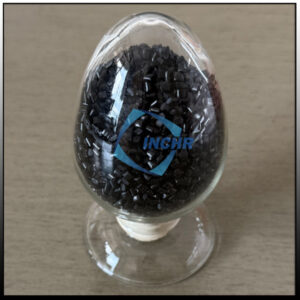
Carbon fiber reinforced ABS combines an ABS matrix with carbon fibers. The fibers help carry mechanical loads and restrict deformation, depending on their content, length, orientation, and distribution.
Compared with standard ABS, this modified material can offer higher stiffness, improved dimensional stability, and a better strength-to-weight balance in suitable formulations.
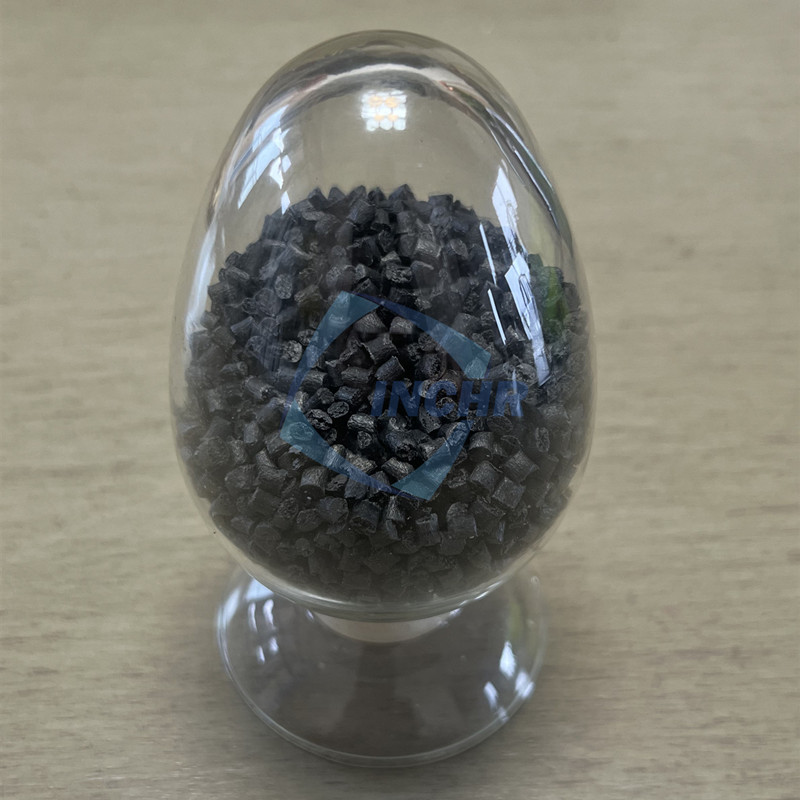
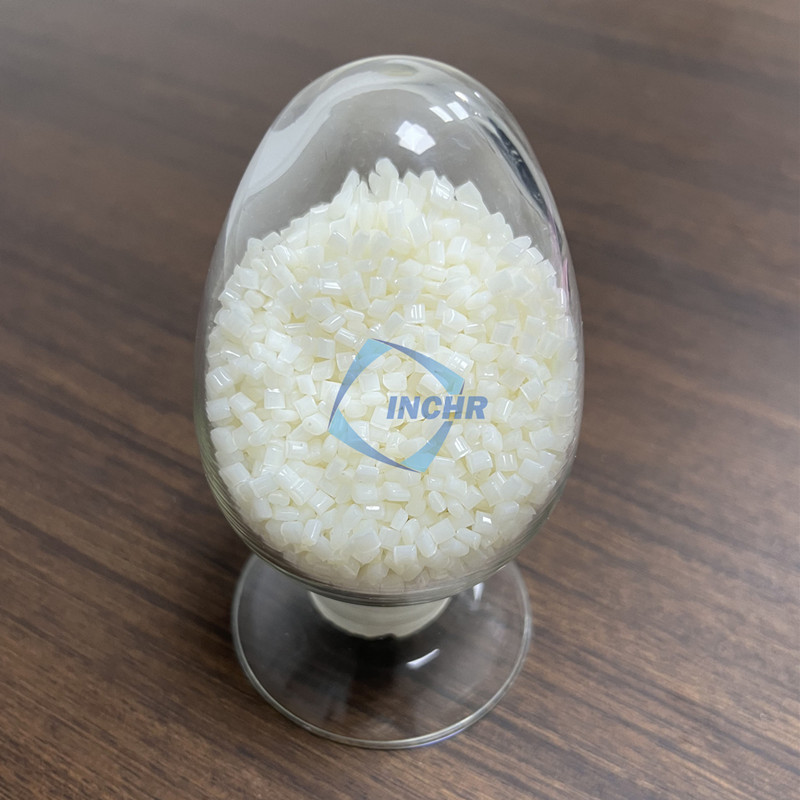
[Image 1: carbon-fiber-reinforced-abs-vs-standard-abs-material.jpg]
Image alt: Carbon fiber reinforced ABS vs standard ABS plastic materials comparison
Key Benefits
- Higher stiffness: Helps components resist bending under load.
- Improved dimensional stability: Can reduce warpage and deformation in properly designed parts.
- Potential weight efficiency: Can provide greater rigidity without relying on bulky solid structures.
- Electrical functionality in suitable grades: Conductive or dissipative behavior may be achievable depending on formulation and testing.
Carbon fiber reinforcement also introduces trade-offs. Fiber orientation can create directional properties, while excessive or poorly selected fiber content may reduce impact performance and complicate surface finishing.
Carbon Fiber Reinforced ABS vs ABS: Key Differences
The best material depends on the application, operating conditions, and required performance. The following table summarizes the main distinctions.
| Comparison Factor | Standard ABS | Carbon Fiber Reinforced ABS |
|---|---|---|
| Composition | ABS polymer matrix | ABS matrix with carbon fibers |
| Stiffness | Moderate to good | Generally higher |
| Strength | Suitable for general applications | Can improve in specific loading directions |
| Impact resistance | Often good | May decrease depending on fiber content |
| Dimensional stability | Depends on part design and processing | Can improve, but fiber orientation matters |
| Weight | Low | Depends on formulation; not always lighter |
| Surface finish | Generally smooth | Fibers may affect appearance and finish |
| Processing | Well-established molding conditions | May require optimized processing parameters |
| Material cost | Generally lower | Generally higher |
| Electrical properties | Usually electrically insulating | May be conductive or dissipative in suitable grades |
Actual performance varies by resin grade, fiber loading, molding conditions, and test method. Material datasheets should be reviewed before final selection.
Which Material Is Better for Different Applications?
When to Choose Standard ABS
Standard ABS is often the practical choice when affordability, impact resistance, appearance, and straightforward manufacturing are priorities.
Typical applications include:
- Consumer electronics enclosures
- Household appliance components
- General-purpose plastic housings
- Automotive interior trim
- Everyday consumer products
For applications without demanding stiffness or electrical requirements, standard ABS can deliver a balanced combination of performance and cost.
When to Choose Carbon Fiber Reinforced ABS
Carbon fiber reinforced ABS is worth considering when a component requires higher rigidity, improved dimensional control, or specialized electrical behavior.
Potential applications include:
- Structural plastic components requiring increased stiffness
- Precision housings with demanding dimensional requirements
- Lightweight fixtures and equipment components
- Selected industrial components requiring electrical dissipation or conductivity
Electrical performance must be verified for the specific grade. Carbon fiber content alone does not guarantee that a finished component will meet electrostatic discharge (ESD) requirements.
How to Select the Right ABS Material
1. Define Mechanical Requirements
Determine the required tensile strength, flexural modulus, impact resistance, and load-bearing performance. Do not assume that higher stiffness automatically means better overall durability.
2. Consider Electrical Requirements
If the product will be used in electronics manufacturing, sensitive equipment, or electrostatic-controlled environments, identify whether the application requires insulating, antistatic, static-dissipative, or conductive behavior.
Request electrical resistance or resistivity data and relevant test results for the exact material grade.
3. Evaluate Processing and Appearance
Carbon fiber reinforced grades may require adjustments to molding temperature, injection speed, gate design, and other processing parameters. Fiber orientation can also influence warpage and surface appearance.
4. Compare Total Cost
Consider not only the resin price but also production yield, tooling requirements, cycle time, finishing, and long-term reliability. A more expensive material may be justified if it reduces part deformation or eliminates additional components.
For applications involving static control, explore suitable antistatic ABS compounds and confirm that the selected grade meets the required electrical and mechanical specifications.
Conclusion
The key difference in carbon fiber reinforced ABS vs ABS is the balance between enhanced stiffness and specialized performance versus cost, impact resistance, and processing simplicity.
Standard ABS is a strong general-purpose choice for everyday molded products and applications where toughness, appearance, and affordability matter most. Carbon fiber reinforced ABS is more appropriate when greater rigidity, dimensional stability, or selected electrical properties justify the additional material and processing considerations.
Before making a final decision, compare material datasheets, validate the processing conditions, and test representative molded parts. Choosing a grade based on measurable application requirements will help achieve the best balance of performance, manufacturability, and cost.
Ready to compare material options? Explore our antistatic ABS compound solutions to evaluate materials for applications that require specific electrostatic-control properties.
Frequently Asked Questions
Q1. Is carbon fiber reinforced ABS stronger than standard ABS?
A: It can provide higher stiffness and improved strength under certain loading conditions. Actual strength depends on fiber content, orientation, formulation, and testing conditions.
Q2. Is carbon fiber reinforced ABS lighter than standard ABS?
A: Not necessarily. Carbon fibers can increase material density. The potential advantage is improved stiffness relative to the weight of a finished component, depending on its design.
Q3. Does carbon fiber reinforced ABS have better impact resistance?
A: Not always. Reinforcement may reduce impact resistance or elongation in some formulations. Compare impact test data for the specific grades under consideration.
Q4. Is carbon fiber reinforced ABS electrically conductive?
A: Some formulations can provide conductive or static-dissipative behavior. Performance varies with fiber loading and material design, so electrical testing is essential for ESD-sensitive applications.
Q5. Which is more cost-effective: carbon fiber reinforced ABS or standard ABS?
A: Standard ABS is generally less expensive and suitable for many general-purpose products. Carbon fiber reinforced ABS may justify its higher cost when increased stiffness, dimensional stability, or specialized functionality delivers measurable benefits.