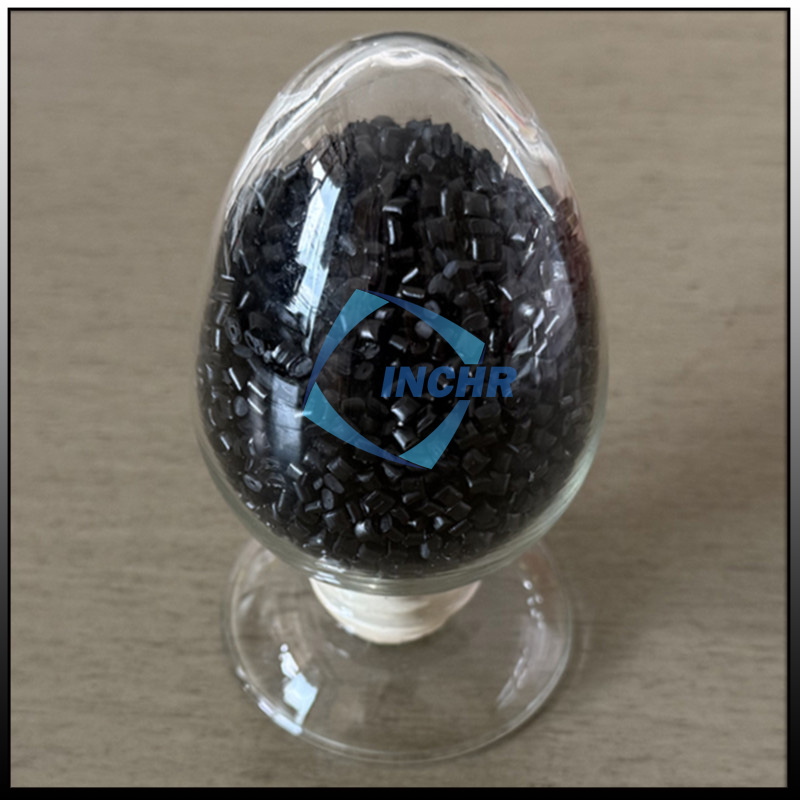
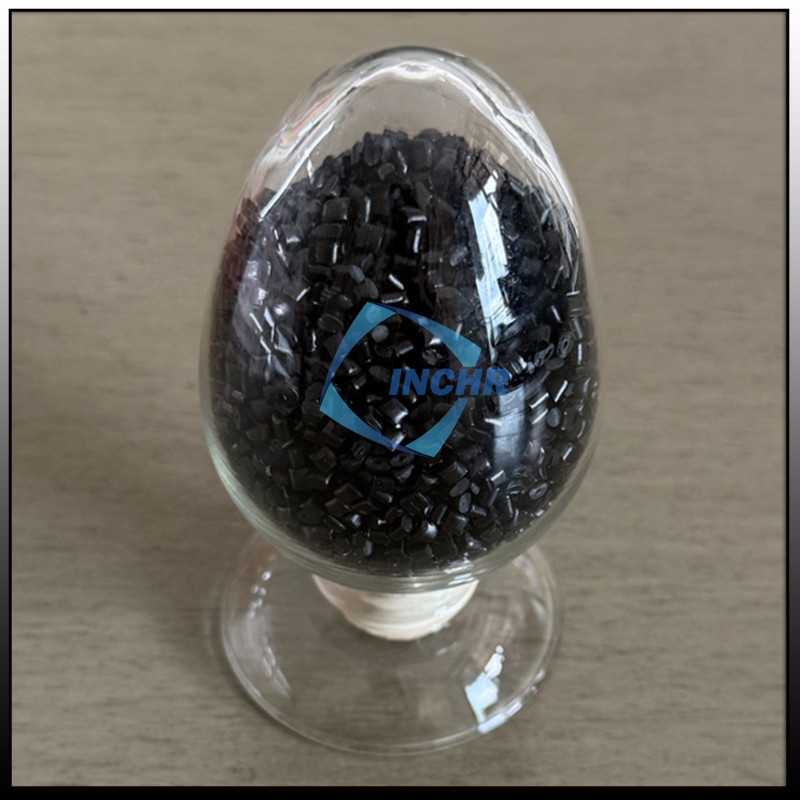
Electrostatic discharge (ESD) is an invisible but costly threat in electronics manufacturing, responsible for billions in annual component failures. ESD plastics material offers a proven defense—engineered polymers that safely control static electricity across production, handling, and packaging environments.
Meta Description: Explore ESD plastics material types, applications, and selection criteria. Learn how PEEK, POM, and other grades protect sensitive electronics from static damage.
What Are ESD Plastics?
ESD plastics are thermoplastics modified to achieve controlled electrical conductivity. While standard plastics act as insulators (surface resistance >10¹² Ω), ESD materials maintain surface resistivity between 10⁴ and 10¹¹ Ω, allowing static charges to dissipate gradually and safely.
This controlled conductivity is achieved through three primary methods:
Conductive fillers – Carbon black, carbon fiber, or carbon nanotubes create microscopic conductive networks.
Antistatic additives – Chemical agents migrate to the surface, attracting moisture that forms a conductive layer.
Inherently dissipative polymers (IDPs) – Molecular structures provide stable, humidity‑independent static control.

Common ESD Plastic Grades and Applications
Different engineering plastics are formulated for specific performance requirements:
ESD‑PEEK
Polyetheretherketone with ESD properties offers continuous service up to 260°C while maintaining static control. It is the material of choice for semiconductor test sockets, burn‑in fixtures, and high‑temperature handling tools High‑Temperature ESD Materials.
ESD‑POM (Acetal)
Grades like TECAFORM AH SD provide dissipative properties without carbon transfer, making them ideal for cleanroom fixturing, hard disk drive manufacturing, and applications where contamination must be avoided.
ESD‑PEEK CF30
This carbon‑fiber‑reinforced variant adds exceptional mechanical strength and wear resistance. It is commonly used for robotic end‑effectors, precision gears, and structural components requiring both static control and durability.
ESD‑ABS and ESD‑PC
These materials are widely available for injection molding and 3D printing. They are used for PCB racks, assembly jigs, and prototype enclosures where cost‑effective ESD protection is needed.
ESD‑PP (Polypropylene)
Corrugated ESD‑PP sheets (10⁹‑10¹¹ Ω) are fabricated into tote boxes, bins, and dividers for component storage and transport.
ESD‑UHMW‑PE
Ultra‑high molecular weight polyethylene with ESD properties offers outstanding wear and impact resistance, making it suitable for liners in bulk material handling and conveyor systems.
Critical Applications Across Industries
Semiconductor & Electronics Manufacturing
Wafer handling trays, test sockets, and pick‑and‑place nozzles rely on ESD plastics to prevent damage during fabrication and assembly. Materials like Semitron™ and TECAPEEK SD are industry standards.
Electronics Assembly
Workstations, shelving, and storage bins manufactured from ESD‑safe polymers protect components during manual assembly, inspection, and kitting operations.
Medical Device Production
Sensitive diagnostic equipment and implantable electronics require ESD protection throughout manufacturing to ensure long‑term reliability and patient safety.
Aerospace & Defense
Mission‑critical avionics and communication systems utilize ESD‑Ultem 1010 for its combination of heat resistance, chemical resistance, flame retardancy, and static control.
Automotive Electronics
ECUs, sensors, and infotainment modules benefit from ESD‑safe housings and handling fixtures that protect components through vehicle assembly and service life.
Packaging & Transport
Custom vacuum‑formed trays with component‑specific cavities secure individual devices during shipping and assembly, preventing both physical damage and electrostatic events.
How to Select the Right ESD Material
When choosing an ESD plastic, consider these key factors:
Resistivity range – Conductive materials (10⁴‑10⁶ Ω) are used where direct grounding paths are needed; dissipative (10⁶‑10¹¹ Ω) suits general handling applications.
Environmental conditions – Temperature extremes, chemical exposure, and cleanroom compatibility affect long‑term performance. Carbon‑filled ESD materials maintain properties regardless of humidity, while some antistatic grades require moisture to function.
Mechanical requirements – Load‑bearing or wear‑prone applications may require reinforced grades such as PEEK CF30 or glass‑filled options.
Processing method – Available forms include injection molding compounds, extruded sheet/rod stock, and 3D printing filament.
Industry Standards and Compliance
ESD materials must meet recognized specifications to ensure reliable performance:
ANSI/ESD S541‑2019 – Packaging materials qualification
IEC 61340‑5‑3:2022 – Protective packaging requirements
ANSI/ESD S20.20 – ESD control program standard
Qualified laboratories perform surface resistivity, volume resistivity, and static decay measurements to verify material compliance.