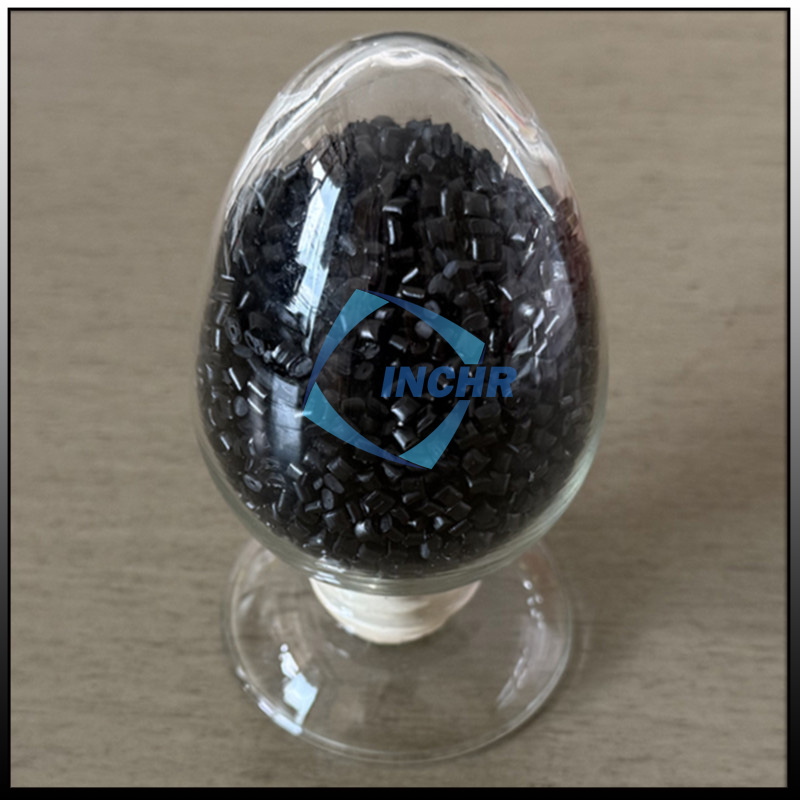
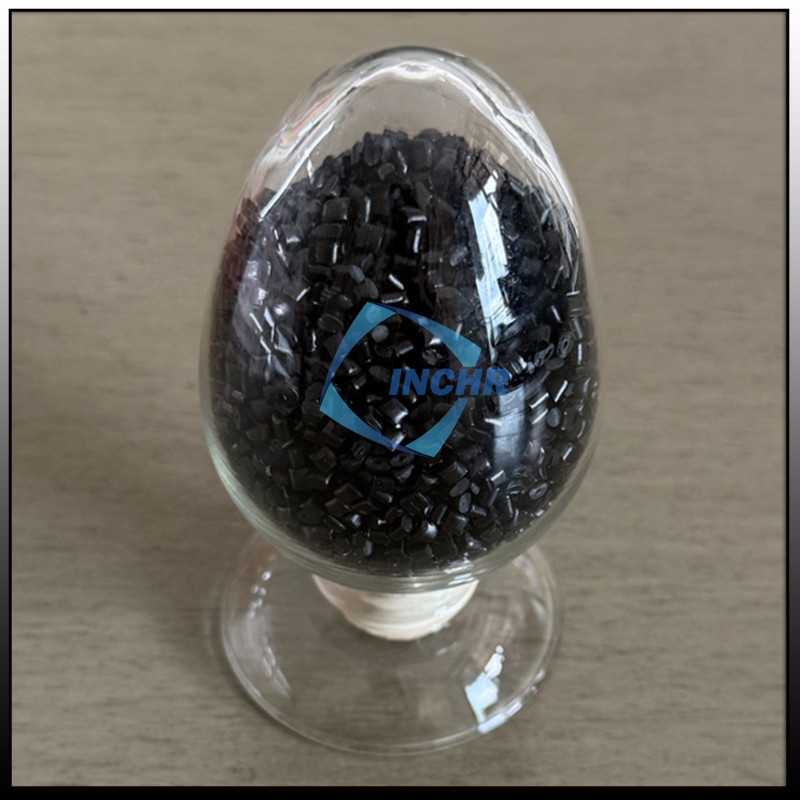
Antistatic masterbatch is a functional additive concentrate used in plastics to reduce surface resistance and rapidly dissipate static electricity. It effectively solves common issues such as static charge buildup, dust attraction, ESD damage, and safety hazards in insulating plastic materials.
1. Definition and Physical Form
Antistatic masterbatch is produced by compounding a carrier resin, high-loading antistatic agents, and processing additives through extrusion and pelletization.
- Appearance: Light yellow or white cylindrical granules (3–5 mm)
- Melt Flow Rate (MFR): Typically 5–15 g/10 min
- Dosage:
- General: 1%–5%
- Permanent/Conductive: 5%–15%
- Target Surface Resistivity: 10⁷–10¹¹ Ω (ESD-safe range)
2. Core Composition (Three Key Elements)
2.1 Carrier Resin
Ensures compatibility with base polymers such as PE, PP, PS, ABS, and PET, enabling uniform dispersion.
Common carriers: LDPE, LLDPE, PP, EVA, PET.
2.2 Antistatic Functional Agents
Migratory (Temporary / Hygroscopic Type)
- Quaternary ammonium compounds
- Ethoxylated amines
- Glycerol esters
- Polyether compounds
Mechanism: Migrate to the surface and absorb moisture to form a conductive layer.
Permanent (Long-Lasting / Conductive Type)
- Conductive carbon black
- Carbon nanotubes (CNTs)
- Metal oxides (TiO₂, ZnO)
- Conductive fibers
- Polymeric antistatic agents
Mechanism: Form an internal conductive network independent of humidity.
2.3 Auxiliary Additives
- Dispersants: Improve uniformity
- Lubricants: Enhance processing flow
- Stabilizers: Improve thermal and oxidative resistance
3. Antistatic Mechanisms
3.1 Migratory Antistatic Mechanism
- Additives migrate to the surface
- Absorb ambient moisture
- Form a thin conductive water film
- Enable static charge dissipation
Advantages:
- Fast-acting
- Cost-effective
Limitations:
- Humidity-dependent
- Limited lifespan (6–18 months)
- Possible blooming
3.2 Permanent Antistatic Mechanism
- Conductive fillers form a continuous network inside the polymer
- Charges dissipate internally
Advantages:
- Long-lasting (lifetime performance)
- Humidity-independent
- Highly stable
Limitations:
- Higher dosage required
- May affect transparency or color
4. Types of Antistatic Masterbatch
By Performance
- Temporary (Migratory Type)
- Permanent (Conductive Type)
- Nano Antistatic Masterbatch (low loading, high transparency)
By Polymer Compatibility
- PE/PP Grade: Films, packaging, injection parts
- PS/ABS/PC Grade: Electronics, appliances, automotive interiors
- PET Grade: Bottles, sheets, films
- Food/Medical Grade: FDA-compliant, odorless
- Halogen-Free Grade: RoHS & REACH compliant
5. Key Performance Indicators
- Surface Resistivity: 10⁷–10¹¹ Ω
- Compatibility: No blooming, no mechanical degradation
- Dispersion: Uniform, no agglomeration
- Thermal Stability: Decomposition >300°C
- Environmental Compliance: Low VOC, halogen-free, FDA compliant
6. Typical Applications
Electronics & Semiconductor
IC trays, PCB packaging, ESD containers, electronic housings
Packaging Industry
Food packaging films, pharmaceutical films, shrink films, courier bags
Automotive
Interior panels, dashboards, fuel system components
Medical & Food
Syringes, IV bags, pharmaceutical bottles, food containers
Industrial & Mining
Chemical containers, powder pipelines, anti-static plastic components
Textile & Agriculture
Antistatic fibers, workwear, greenhouse films
7. Processing Method and Advantages
Processing Method
- Dry blend with base resin (1%–5%)
- Suitable for injection molding, extrusion, blow molding, and film blowing
- No additional equipment required
Key Advantages
- Efficient: Low dosage, high performance
- Easy to Use: Direct blending
- Durable: Permanent grades last product lifetime
- Compatible: Minimal impact on mechanical/optical properties
- Eco-Friendly: Compliant with global regulations
8. Selection Guidelines
- Match Carrier Resin with base polymer
- Define Performance Needs
- Short-term → Migratory
- Long-term → Permanent
- Transparent products → Nano type
- Consider Environment
- Dry → Permanent type
- Humid → Migratory type acceptable
- Balance Cost vs Performance
- Packaging → Cost-effective
- Electronics/Medical → High-performance