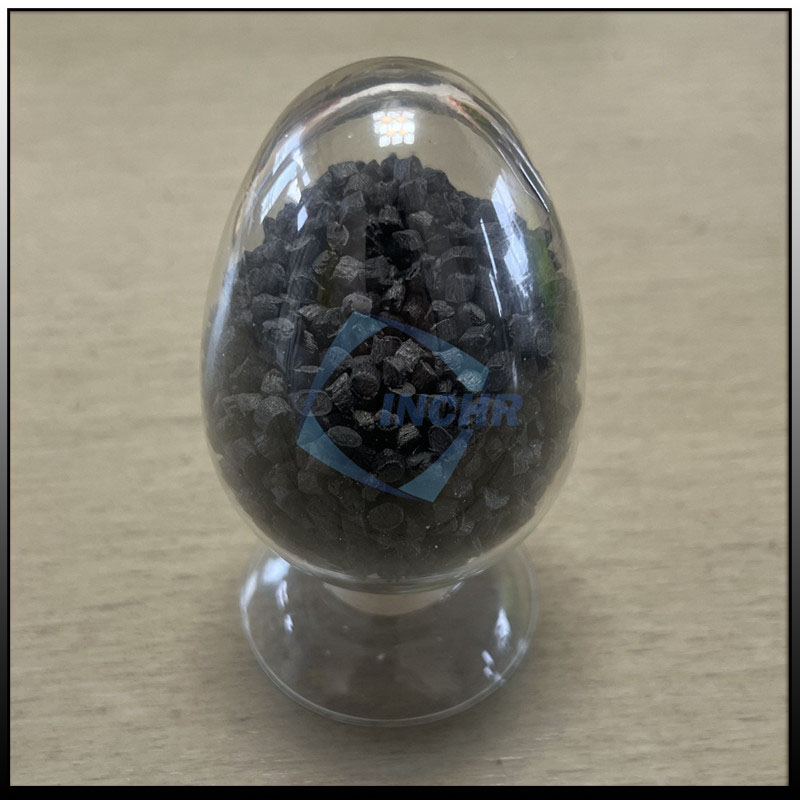
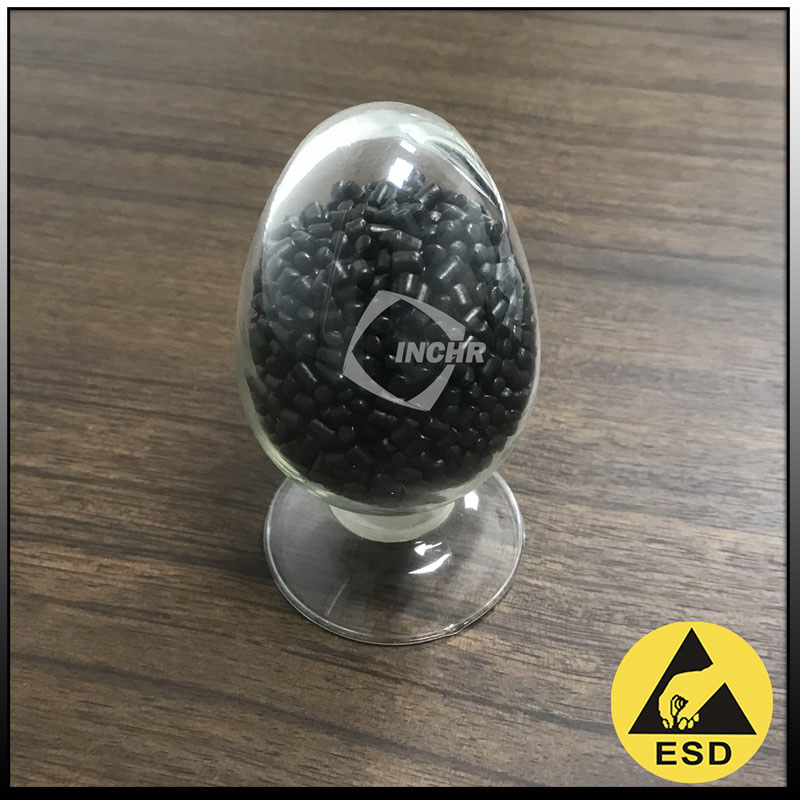
Static electricity remains one of the most overlooked defects in plastic manufacturing. Without proper static elimination, plastic films, injection parts and packaging products easily absorb dust, stick together, or generate static sparks. Using qualified antistatic masterbatch has become the most economical solution for plastic factories to stabilize product surface performance.

Stable Resistance Without Damaging Plastic Properties
Many low-cost antistatic additives cause yellowing, poor transparency and unstable resistance after product molding. Premium antistatic masterbatch adopts non-ion conductive formula, keeping surface resistance steadily between 10⁸ Ω to 10¹⁰ Ω. It is compatible with PE, PP and ABS raw materials without affecting tensile strength or surface gloss.Check compatible plastic grade masterbatch
Reduce Production Defects During Processing
In film blowing and injection molding workshops, static charge leads to film overlapping, cutting deviation and high defective rates. Adding a fixed proportion of antistatic masterbatch effectively releases accumulated static electricity during high-speed production. Factories can obviously reduce waste rate and improve automated production efficiency.
Wide Application in Industrial Packaging
Industrial packaging requires strict dust-proof and ESD protection performance. This antistatic additive is widely used for electronic packaging bags, plastic trays, industrial packaging films and daily plastic containers. All raw materials comply with ROHS and REACH environmental standards to meet international export requirements.Learn ESD packaging application solution
Conclusion
High-quality antistatic masterbatch is not only an additive, but a necessary auxiliary material for standardized plastic production. Stable static resistance, good compatibility and environmental compliance make it ideal for long-term bulk procurement. Manufacturers can customize resistance indicators and carrier materials according to production demands.