Static electricity is a common challenge in plastic manufacturing, often leading to dust attraction, product defects, and even safety risks. Antistatic masterbatch is a proven solution that helps control and dissipate static charges in plastic products. In this complete guide, we’ll explain how it works, its benefits, and where it is used.

What Is Antistatic Masterbatch?
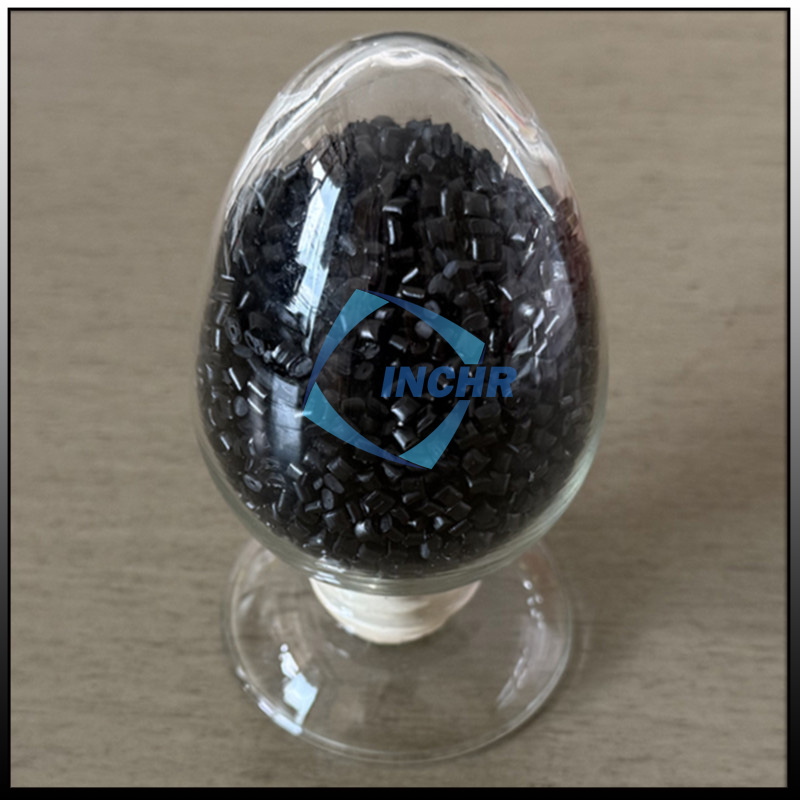
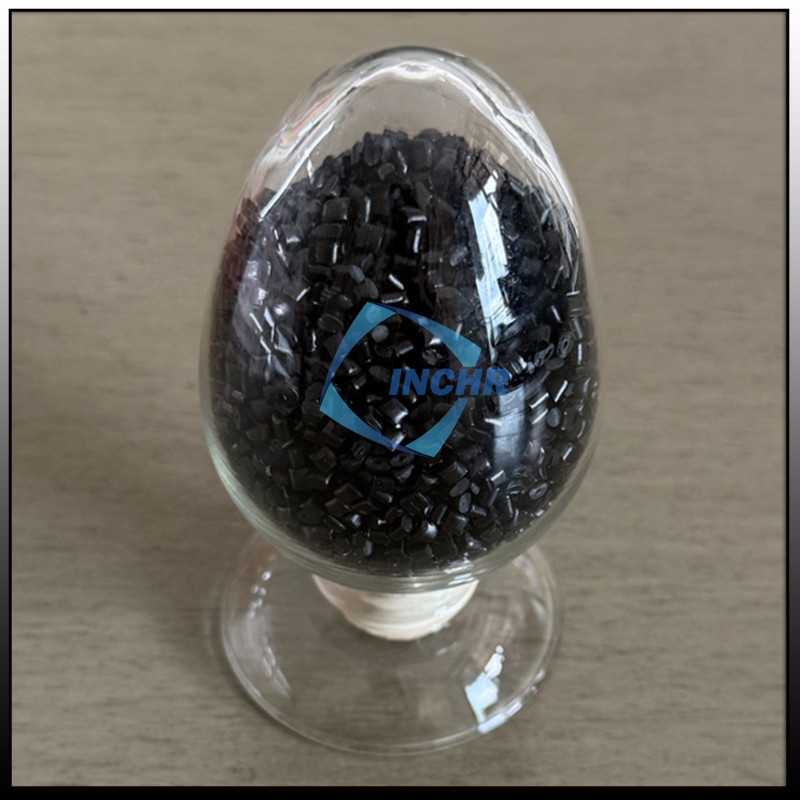
Antistatic masterbatch is a concentrated additive blend incorporated into plastic resins during processing. It is designed to reduce or eliminate static electricity buildup on the surface of plastic products.
It typically contains:
- Antistatic agents (internal or external)
- Carrier resin (compatible with base polymer)
- Dispersing additives
Learn more about plastic additive solutions.
How Does Antistatic Masterbatch Work?
Antistatic masterbatch works by modifying the surface conductivity of plastics. The mechanism can be explained in two main ways:
1. Migration to the Surface
Most antistatic agents are surface-active. After processing, they gradually migrate to the plastic surface and form a thin conductive layer.
- This layer attracts moisture from the air
- Moisture helps dissipate static charges
- Prevents charge accumulation
2. Reducing Surface Resistance
By lowering the surface resistivity, antistatic masterbatch allows electrical charges to flow and dissipate instead of building up.
- Typical untreated plastic: 10¹²–10¹⁶ ohms
- With antistatic masterbatch: 10⁹–10¹¹ ohms
Types of Antistatic Masterbatch
Internal Antistatic Agents
- Blended into the polymer matrix
- Long-lasting effect
- Common in packaging and electronics
External Antistatic Agents
- Applied as coatings or sprays
- Short-term effectiveness
- Used for temporary protection
Key Benefits in Plastic Manufacturing
1. Improved Product Quality
- Reduces dust attraction
- Minimizes surface contamination
2. Enhanced Safety
- Prevents electrostatic discharge (ESD)
- Reduces risk of sparks in flammable environments
3. Better Processing Efficiency
- Less sticking during molding or extrusion
- Easier handling and packaging
4. Cost-Effective Solution
- Easy to integrate into existing production lines
- No major equipment changes required
Common Applications
Antistatic masterbatch is widely used across industries:
- Packaging: Films, bags, containers
- Electronics: ESD-safe components
- Automotive: Interior plastic parts
- Medical Devices: Dust-free surfaces
Processing Methods
Antistatic masterbatch can be used in various plastic processing techniques:
- Injection molding
- Blow molding
- Film extrusion
- Thermoforming
Recommended dosage: Typically 1%–5%, depending on the application and desired performance.
Injection molding material selection guide.
Key Considerations When Choosing Antistatic Masterbatch
- Required duration of antistatic effect
- Environmental conditions (humidity, temperature)
- Regulatory compliance (FDA, RoHS if applicable)
Conclusion
Antistatic masterbatch plays a crucial role in modern plastic manufacturing by effectively controlling static electricity. Through surface migration and conductivity enhancement, it improves product quality, safety, and efficiency. Whether used in packaging, electronics, or industrial applications, it remains a simple yet powerful solution for static-related challenges.