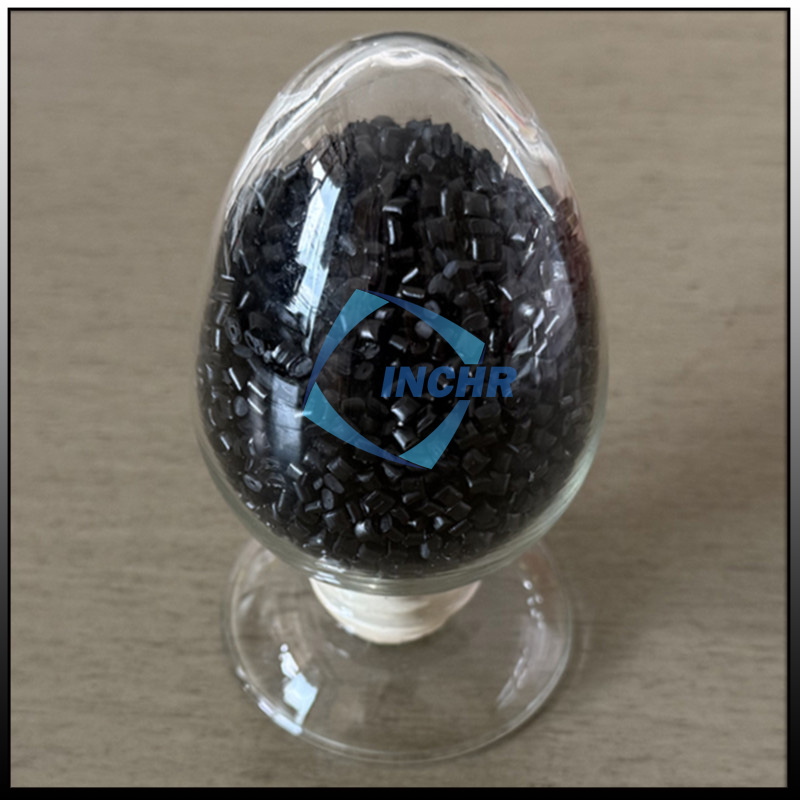
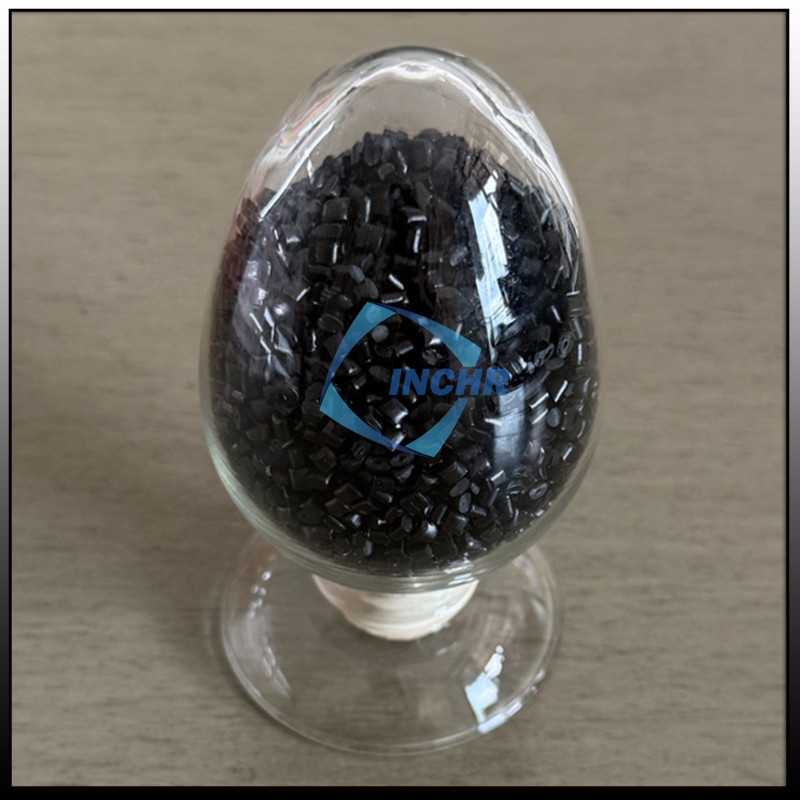
Static electricity is a persistent issue in plastic manufacturing, affecting product quality, safety, and processing efficiency. Antistatic masterbatch solutions provide a reliable and cost-effective way to control static buildup and improve the overall performance of plastic materials.
Understanding Static in Plastics
Plastics such as PE, PP, and ABS are naturally insulating materials. During processing, handling, or transportation, friction can generate static charges on their surfaces. Without proper control, this can lead to:
- Dust and dirt attraction
- Electrostatic discharge (ESD) damage
- Material sticking and handling issues
- Safety hazards in sensitive environments
Learn more about polymer performance:Plastic Material Properties Guide.
What Is Antistatic Masterbatch?
Antistatic masterbatch is a concentrated additive incorporated into plastic resins during manufacturing. It works by reducing surface resistivity and enabling static charges to dissipate more quickly.
These masterbatches are engineered to deliver consistent dispersion, compatibility, and long-lasting performance across a wide range of plastic applications.
Types of Antistatic Masterbatch Solutions
1. Internal (Migratory) Antistatic Masterbatch
These additives migrate to the plastic surface over time, forming a thin conductive layer that reduces static buildup. They are cost-effective and suitable for many general applications.
2. Permanent Antistatic Masterbatch
Designed for long-term performance, these solutions provide stable conductivity without relying on migration. Ideal for electronics and high-performance environments.
3. External Antistatic Treatments
Applied directly to the plastic surface, these coatings offer immediate static control but may require reapplication over time.
Explore more advanced materials: High-Performance Plastic Compounds.
Key Benefits
Enhanced Product Quality
Prevents dust contamination and improves surface cleanliness, especially in packaging and optical applications.
Improved Safety
Reduces the risk of electrostatic discharge, protecting both products and users.
Better Processing Efficiency
Minimizes issues such as film blocking, sticking, and uneven material flow.
Customizable Performance
Formulations can be tailored to specific polymers, processing methods, and environmental conditions.
Application Areas
Antistatic masterbatch solutions are widely used in:
- Packaging Films & Containers
- Electronic Components & ESD Packaging
- Automotive Plastic Parts
- Industrial Sheets and Profiles
These solutions are essential wherever static control is critical to performance and safety.
Choosing the Right Antistatic Solution
To achieve optimal results, manufacturers should consider:
- Base resin compatibility (PE, PP, ABS, etc.)
- Required surface resistivity levels
- Processing technology (injection molding, extrusion, blowing)
- Environmental conditions such as humidity and temperature
👉 Get expert advice for your application:Custom Antistatic Masterbatch Solutions.
Conclusion
Antistatic masterbatch solutions play a vital role in controlling static electricity in plastic products. By selecting the right formulation and supplier, manufacturers can enhance product quality, improve safety, and achieve more efficient production processes. These solutions are a key component in delivering high-performance plastics for modern industrial applications.