Static electricity is a common challenge in plastic manufacturing, often leading to dust attraction, product defects, and even safety hazards. Antistatic masterbatch is a highly effective solution designed to enhance both the safety and performance of plastic products across various industries.

What Is Antistatic Masterbatch?
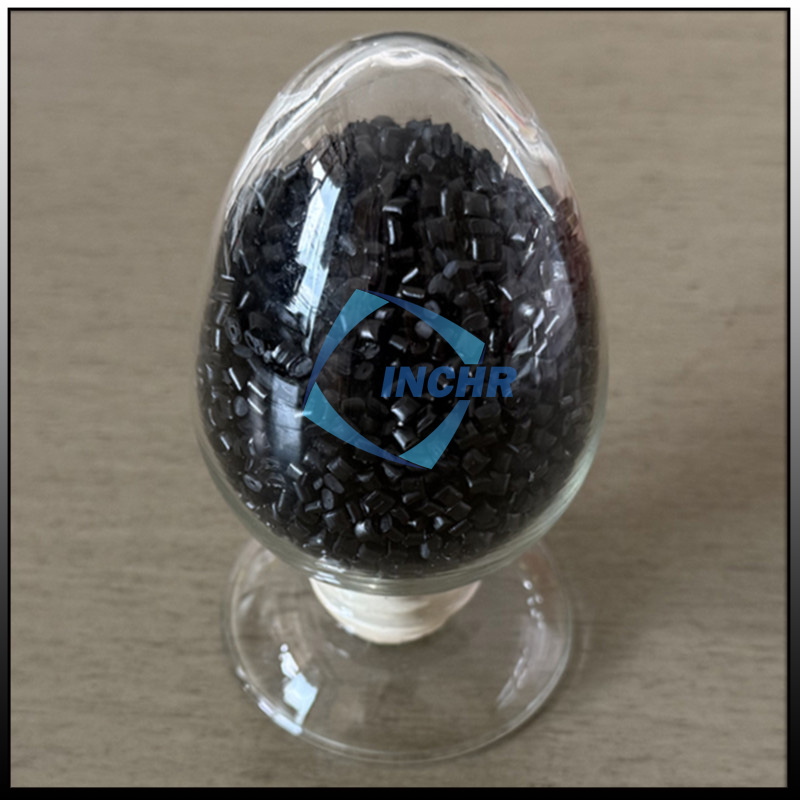
Antistatic masterbatch is a functional additive blended into plastic resins such as PE, PP, and ABS. Its primary role is to reduce static charge accumulation by improving the surface conductivity of plastic materials.
By enabling electrostatic charges to dissipate more efficiently, it helps maintain product quality and ensures safer handling during production and use.
Learn more about materials and additives:Internal Link: Plastic Additives Overview.
Why Static Control Matters in Plastics
Without proper static control, plastic products can face several issues:
- Dust and particle attraction, affecting cleanliness
- Electrostatic discharge (ESD) damaging sensitive electronics
- Production inefficiencies due to material sticking
- Safety risks in flammable or explosive environments
Using antistatic masterbatch minimizes these risks and ensures consistent manufacturing performance.
Key Benefits of Antistatic Masterbatch
1. Improved Safety
Reduces the risk of sparks and electrostatic discharge, especially in electronics and industrial environments.
2. Enhanced Product Quality
Prevents dust contamination and improves the appearance of plastic surfaces.
3. Better Processing Efficiency
Minimizes static-related issues such as film sticking and uneven feeding during production.
4. Long-Term Performance
Permanent antistatic solutions provide lasting conductivity without degradation.
Discover more performance solutions:Functional Masterbatch Solutions.
Typical Applications
Antistatic masterbatch is widely used in:
- Packaging Materials (films, containers, bags)
- Electronic Components (ESD-safe housings and trays)
- Automotive Parts (interior and functional plastics)
- Industrial Sheets and Films
Its versatility makes it essential for industries that demand both cleanliness and safety.
Types of Antistatic Solutions
Different applications require different antistatic approaches:
- Migratory (Internal) Antistatic Masterbatch
Gradually forms a conductive layer on the surface - Non-Migratory (Permanent) Antistatic Masterbatch
Offers stable and long-lasting conductivity - External Antistatic Coatings
Applied directly for immediate results
Choosing the right type depends on performance requirements and environmental conditions.
Choosing the Right Solution
When selecting an antistatic masterbatch, consider:
- Compatibility with base resin (PE, PP, ABS, etc.)
- Required surface resistivity level
- Processing method (injection molding, extrusion, film blowing)
- Environmental durability and lifespan
Need help selecting the right product? Contact Technical Support.
Conclusion
Antistatic masterbatch is a critical component in modern plastic manufacturing, offering a reliable way to enhance safety, improve product quality, and optimize processing efficiency. By integrating the right solution, manufacturers can effectively control static electricity and deliver high-performance plastic products for demanding applications.