Introduction
Static electricity is a common challenge in plastic film production, especially for PE (polyethylene) and PP (polypropylene) films. It can attract dust, cause processing issues, and even damage sensitive electronic packaging. Antistatic additive masterbatch provides an efficient and cost-effective solution to control static buildup and improve overall film performance.

What Is Antistatic Additive Masterbatch?
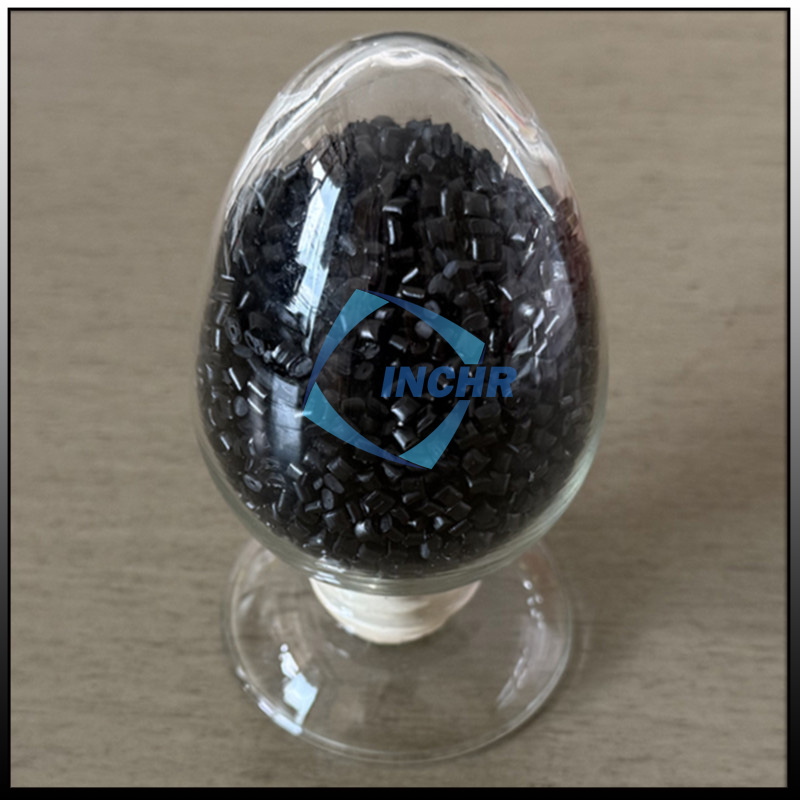
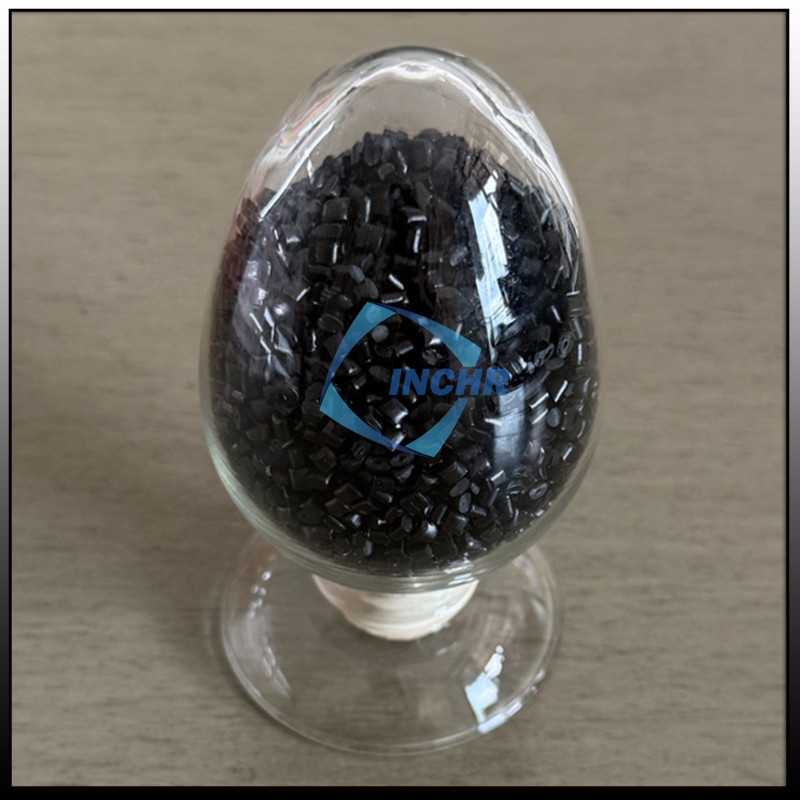
Antistatic additive masterbatch is a concentrated blend of antistatic agents dispersed in a polymer carrier. It is designed to be easily mixed with base resins like PE and PP during film extrusion or molding processes.
These additives work by reducing surface resistivity, allowing static charges to dissipate safely. This results in cleaner surfaces, improved handling, and enhanced product quality.
Key Benefits for PE and PP Films
1. Effective Static Control
Antistatic masterbatch minimizes electrostatic charge accumulation, preventing dust attraction and material sticking.
2. Improved Processing Efficiency
By reducing static-related issues, manufacturers can achieve smoother production runs and fewer defects.
3. Enhanced Product Appearance
Cleaner film surfaces lead to better transparency and visual quality, especially important for packaging applications.
4. Increased Safety
In industrial and electronic environments, controlling static reduces the risk of sparks and potential hazards.
Applications of Antistatic Masterbatch
Antistatic additive masterbatch is widely used across multiple industries:
- Packaging films (food, industrial, and consumer goods)
- Agricultural films
- Electronic component packaging
- Blow molding and injection molding products
Learn more about PE film applications
How It Works
Antistatic agents migrate to the surface of the plastic film and form a thin conductive layer. This layer absorbs moisture from the surrounding air, helping dissipate static charges effectively.
There are generally two types of antistatic solutions:
- Internal antistatic agents (blended into the polymer)
- External antistatic coatings (applied to the surface)
Masterbatch solutions are preferred due to their ease of use and long-lasting performance.
Choosing the Right Antistatic Masterbatch
When selecting an antistatic masterbatch for PE and PP films, consider the following factors:
- Compatibility with base polymer
- Required surface resistivity level
- Processing temperature stability
- End-use application requirements
Explore custom masterbatch solutions.
Conclusion
Antistatic additive masterbatch is an essential solution for improving the performance and quality of PE and PP films. By effectively controlling static electricity, it enhances processing efficiency, product cleanliness, and safety across various applications. Choosing the right formulation ensures optimal results tailored to your specific production needs.