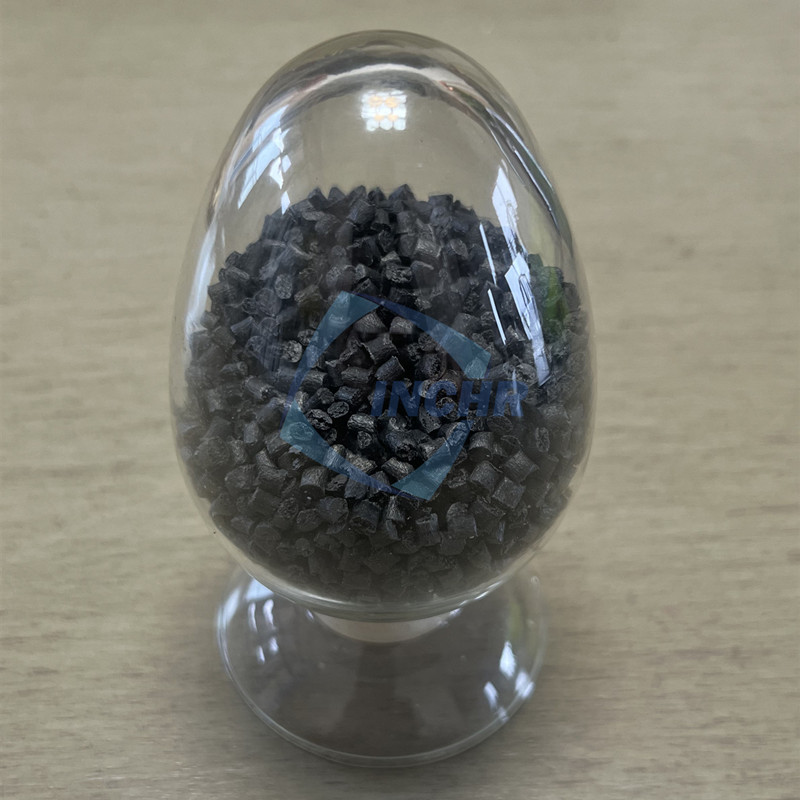
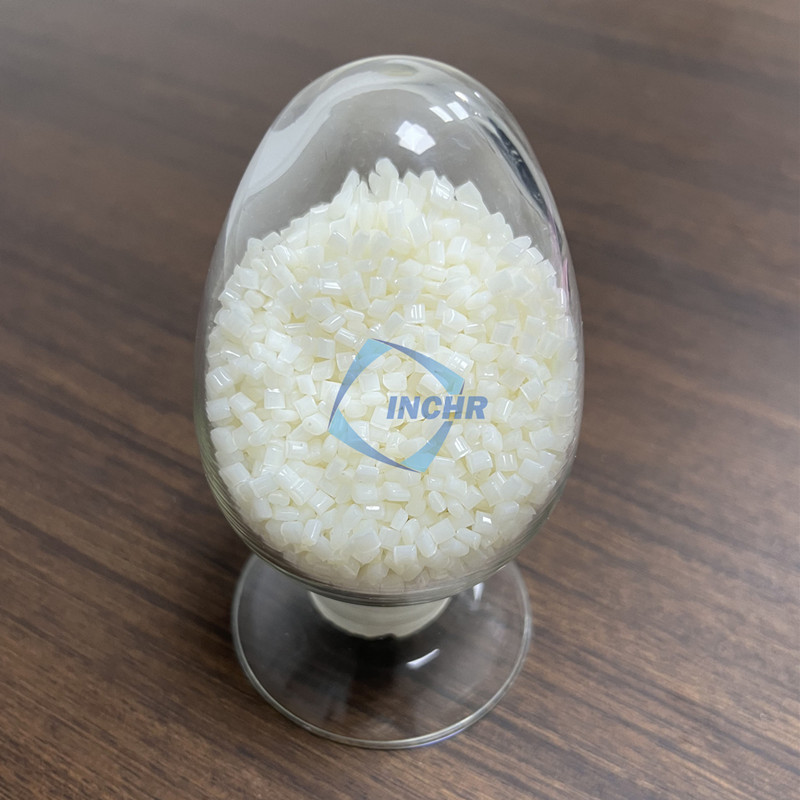
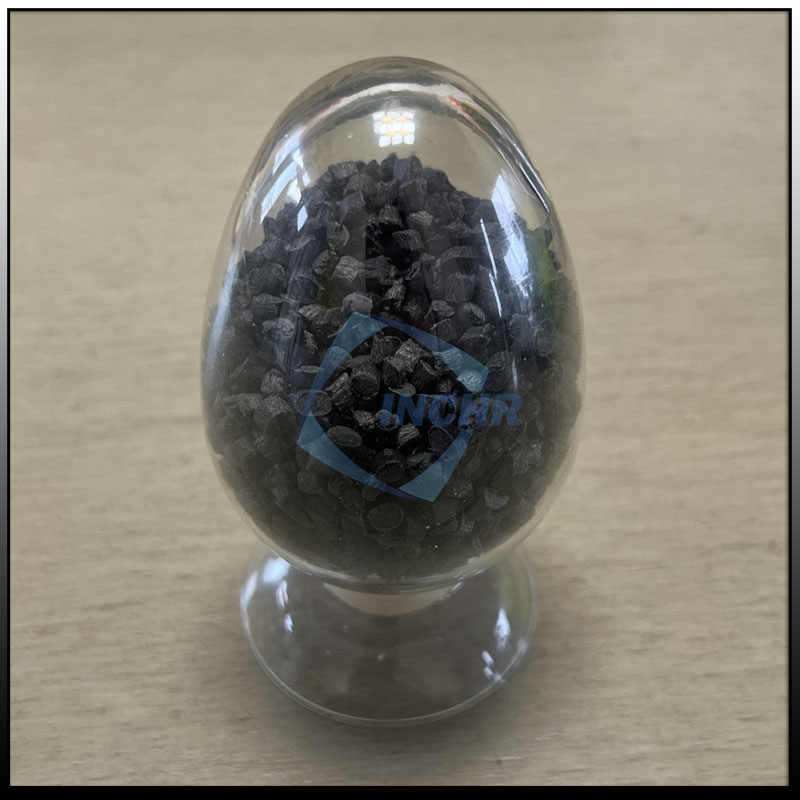
Why Choose Carbon Fiber Reinforced Nylon PA?
Nylon, also known as polyamide (PA), is widely used in engineering components that require wear resistance, mechanical strength, and practical manufacturing flexibility. However, unreinforced nylon can absorb moisture from its surroundings, potentially affecting its dimensions and mechanical behavior.
Adding carbon fiber creates a composite material that can improve stiffness, reduce deformation under suitable conditions, and support lightweight structural designs. Carbon fiber reinforced nylon PA is therefore worth evaluating for components that must maintain their shape while carrying mechanical loads.
The result depends on the specific polyamide grade, carbon fiber content, fiber orientation, moisture conditioning, and molding process. Material selection should begin with the operating environment and component requirements rather than carbon fiber content alone.

How Moisture Affects Nylon Component Performance
One important consideration when working with nylon is moisture absorption. Depending on the PA grade and environmental conditions, absorbed moisture can change dimensions, stiffness, and toughness.
Carbon fiber reinforcement can reduce some dimensional changes associated with the polymer matrix, but it does not eliminate moisture absorption. The finished component must still be evaluated under realistic humidity and temperature conditions.
| Design consideration | Potential challenge | Recommended approach |
|---|---|---|
| Moisture absorption | Dimensional changes after conditioning | Test parts at representative humidity levels |
| Component stiffness | Properties may vary with moisture content | Evaluate the conditioned material, not just dry samples |
| Tight tolerances | Changes may affect assembly fit | Define tolerances for the actual service environment |
| Long-term loading | Deformation may change over time | Conduct application-specific mechanical testing |
| Production consistency | Different drying or storage conditions may affect processing | Establish documented material-handling procedures |
For precision components, it is important to specify whether dimensional and mechanical requirements apply to dry-as-molded parts, conditioned parts, or parts equilibrated in a defined environment.
Carbon Fiber Reinforced PA vs. Unreinforced Nylon
The choice between reinforced and unreinforced nylon depends on the balance between stiffness, toughness, processing, and cost.
| Factor | Unreinforced nylon PA | Carbon fiber reinforced nylon PA |
|---|---|---|
| Rigidity | Suitable for many general-purpose components | Often selected for higher stiffness |
| Dimensional behavior | Can be influenced by moisture and temperature | May offer improved dimensional stability in suitable designs |
| Weight | Depends on the selected grade and part geometry | Can support lightweight structural designs; density should be verified |
| Surface appearance | Typically offers a more uniform polymer finish | Fibers may influence surface texture and appearance |
| Molding behavior | Generally has fewer fiber-orientation effects | Fiber alignment can cause directional property differences |
| Material cost | Often lower for comparable base grades | May be higher depending on formulation and processing |
Neither option is universally better. Unreinforced nylon may be appropriate where flexibility, impact behavior, or cost is the priority. Reinforced grades are worth investigating when greater rigidity and dimensional control are more important.
Applications That Benefit From Reinforced Nylon
Carbon fiber reinforced nylon PA may be suitable for a range of engineered components, provided the selected grade meets the application requirements.
- Industrial machinery: Brackets, housings, fixtures, and structural components that need increased rigidity.
- Automotive systems: Selected functional components where weight, stiffness, and environmental durability matter.
- Electrical and electronic equipment: Structural parts where mechanical performance and electrical properties must be assessed together.
- Precision equipment: Components that require controlled deformation and repeatable assembly.
- Mechanical assemblies: Parts exposed to vibration or continuous loading, subject to appropriate fatigue and durability testing.
For projects involving specialized modified plastics, explore INCHR’s engineering plastic products to review available material solutions and discuss application-specific requirements.
Processing Factors That Influence Final Quality
A suitable material can still produce inconsistent parts if processing is poorly controlled. The following factors deserve attention during product development.
1. Material drying and storage
Many nylon grades require controlled drying before processing. Follow the supplier’s recommendations for drying temperature, duration, and moisture limits. Protect dried material from reabsorbing moisture before molding.
2. Fiber orientation
During injection molding, carbon fibers may align with melt flow. This can create directional differences in stiffness, strength, and shrinkage. Consider gate location, wall thickness, ribs, and loading direction during mold design.
3. Dimensional inspection
Measure critical features after molding and, where relevant, after moisture conditioning. This helps reveal changes that may not be apparent when inspecting freshly molded parts.
4. Application-based testing
Depending on the intended use, validation may include tensile strength, impact resistance, dimensional stability, wear, fatigue, or thermal performance. Electrical testing is also necessary if the component must meet specific antistatic or conductive requirements.
For testing guidance, consult ASTM International and identify standards appropriate to the property, specimen, and application.
How to Specify the Right Carbon Fiber Reinforced PA Grade
When requesting material recommendations, provide more than a generic description such as “carbon fiber nylon.” A useful specification should include:
- The PA type, if known, such as PA6 or PA66.
- Required stiffness, strength, impact performance, and operating temperature.
- Moisture exposure and dimensional tolerances.
- Processing method and component geometry.
- Electrical requirements, if applicable.
- Required test methods, documentation, and production consistency.
These details help suppliers assess whether a particular grade is suitable and identify which properties need additional verification.
INCHR, established in Dongguan, China, in 2012, specializes in ESD plastics and modified polymer materials, including carbon fiber reinforced compounds and ESD masterbatches. For applications requiring a particular combination of mechanical and electrical performance, discuss the required specifications with the supplier and confirm the availability of a suitable grade.
Find a Suitable Material Solution
The performance of carbon fiber reinforced nylon PA depends on the interaction between the polymer grade, carbon fiber reinforcement, moisture conditions, and component design. Evaluating these factors early can reduce dimensional problems, improve production consistency, and support more reliable product development.
Explore available materials through the INCHR product center and contact the supplier to discuss your application requirements.
Frequently Asked Questions
1. What is carbon fiber reinforced nylon PA?
It is a polyamide engineering plastic reinforced with carbon fibers. The reinforcement is commonly used to improve stiffness and selected mechanical or dimensional properties.
2. Does carbon fiber reinforced nylon absorb moisture?
Yes. Nylon can absorb moisture, and reinforcement does not eliminate this behavior. The degree of absorption and its effects depend on the PA grade, formulation, and environmental conditions.
3. Is carbon fiber reinforced PA stronger than standard nylon?
It often offers higher stiffness, but overall strength and impact performance depend on the formulation, fiber orientation, and test conditions. Compare technical data for the specific grades being considered.
4. What is the difference between PA6 and PA66?
PA6 and PA66 have different material characteristics, including differences in melting behavior, moisture response, and mechanical performance. The more suitable option depends on the component’s operating conditions and design requirements.
5. Can carbon fiber reinforced nylon be electrically conductive?
Some formulations can provide conductive or dissipative behavior, but this cannot be assumed for every grade. Verify the required surface or volume resistivity using grade-specific data and appropriate testing.
6. What should be checked before mass production?
Confirm drying and molding conditions, dimensional tolerances, moisture-conditioned performance, and the mechanical or electrical properties relevant to the finished part. Pilot production can help identify problems before scaling up.