Static electricity remains a hidden threat in plastics—causing dust contamination, production jams, and even component failure. Antistatic masterbatch offers a proactive cure, but not all masterbatches are equal. This article dives into the science of formulation, how to verify performance, and the emerging shift toward sustainable antistatic solutions.
The Chemistry Behind Antistatic Masterbatch
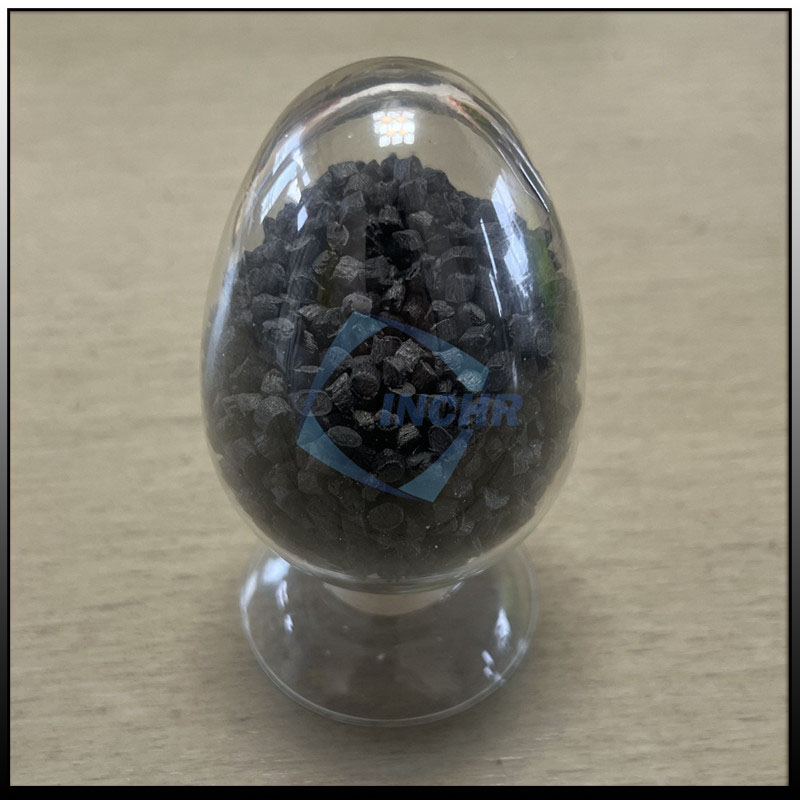
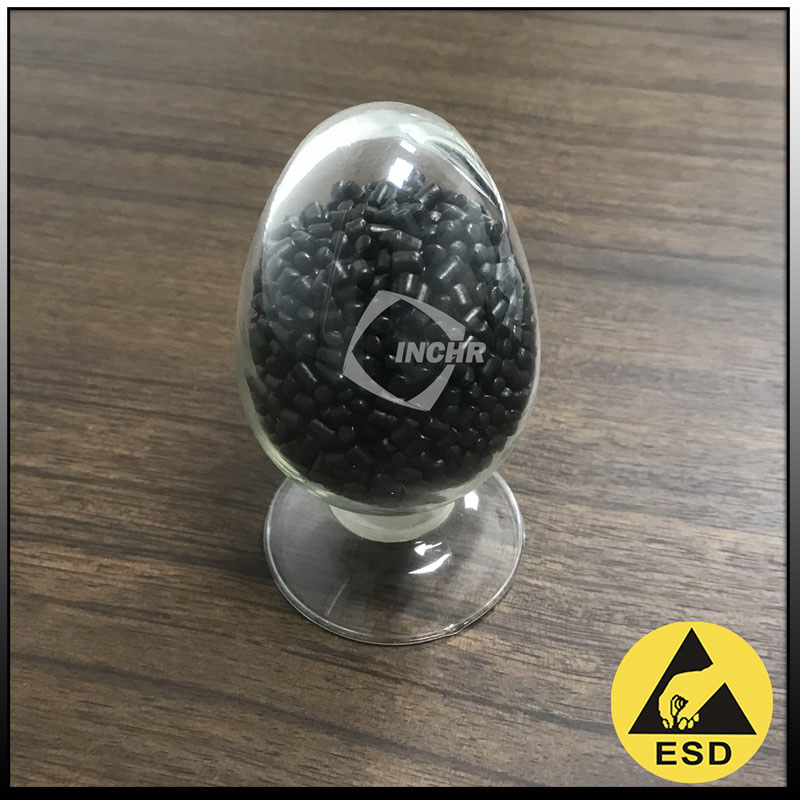
At its core, an antistatic masterbatch is a concentrated pelletized additive consisting of an active agent dispersed in a carrier resin (e.g., PE, PP, PS, or ABS). The choice of carrier must match the base polymer to ensure compatibility and uniform distribution during melt processing.
Migratory vs. Permanent – A Deeper Look
Migratory types rely on amphiphilic molecules (like ethoxylated amines or glycerol esters). Their polar heads orient toward the surface, while hydrophobic tails anchor in the bulk. They depend on atmospheric moisture to form a conductive layer—effective but transient.
Permanent types use conductive fillers (carbon black, carbon nanotubes) or inherently dissipative polymers (e.g., polyether block amides). They create a three-dimensional conductive network that works regardless of humidity, but require careful compounding to avoid agglomerates.
Critical Formulation Parameters
Formulating an effective antistatic masterbatch involves balancing several factors:
Additive loading – Typically 5–20% for migratory, 15–40% for permanent. Overdosing can cause plate-out, migration bloom, or reduced mechanical strength.
Melt flow index (MFI) – The carrier resin’s MFI should be close to the base polymer to prevent viscosity mismatches that lead to poor dispersion.
Thermal stability – Additives must survive processing temperatures (up to 300°C for engineering plastics) without decomposing or discoloring.
Synergists and processing aids – Small amounts of slip agents or dispersants can improve wetting and reduce torque during extrusion.
How to Test Antistatic Performance – Key Metrics
You cannot manage what you do not measure. The industry relies on standardized tests to validate antistatic masterbatch effectiveness:
Surface Resistivity (ASTM D257 / IEC 61340)
This is the most common metric. Values below 10¹¹ Ω/sq are considered antistatic; below 10⁹ Ω/sq are dissipative; below 10⁶ Ω/sq are conductive. Permanent masterbatches often achieve 10⁸–10¹⁰ Ω/sq independent of RH, while migratory grades may drop from 10¹² (dry) to 10¹⁰ (at 50% RH).
Static Decay Time (FTMS 101C / IEC 61340-2-1)
Measures how quickly a charged surface dissipates—typically from 5 kV to <0.5 kV. A decay time under 2 seconds is excellent.
Migration Rate and Longevity
For migratory types, accelerated aging tests (heat, washing, or solvent exposure) determine how long the additive remains effective. Surface concentration can be monitored by XPS or FTIR.
Practical Application Guidelines
For Film Extrusion (Blown or Cast)
Add masterbatch at 2–5% let-down ratio.
Ensure uniform mixing; use a static mixer or screen pack.
Avoid high shear that may degrade migratory additives.
For Injection Molding
Permanent grades are preferred for long-life parts (e.g., electronic housings).
Drying is critical—moisture can hydrolyze some antistatic agents.
For Blow Molding and Thermoforming
Lower loadings may suffice, but wall thickness affects charge dissipation.
Sustainability – The Next Frontier
The antistatic masterbatch industry is moving toward greener chemistry:
Bio-based carriers – PLA, PHA, and bio-PE are being explored as carrier resins, though they require lower processing temperatures.
Non-migrating, non-leaching additives – To reduce microplastic release and food-contact concerns, permanent polymeric antistats are gaining favor.
Recyclability – Permanent antistatic masterbatches with carbon fillers can complicate recycling due to black color. New transparent or light-coloured conductive additives (e.g., graphene-based) are emerging.
Reduced dependency on humidity – This allows use in closed environments without climate control, saving energy.
Recent R&D has shown that up to 30% of the additive content can be replaced with renewable plant-derived fatty acid esters without compromising performance—a trend expected to accelerate post-2026.
Common Pitfalls and Troubleshooting
Even with a good masterbatch, problems can arise:
| Issue | Likely Cause | Solution |
|---|---|---|
| Poor static reduction | Insufficient loading or incompatible carrier | Increase let-down or change carrier |
| Surface haze or bloom | Over-migration of additive | Reduce loading or use a slower-migrating agent |
| Loss of effect after washing | Migratory additive washed away | Switch to permanent type |
| High torque during extrusion | Filler agglomeration | Improve mixing or use pre-dispersed concentrate |
Choosing the Right Supplier
When sourcing antistatic masterbatch, look for:
Technical data sheets with resistivity vs. RH curves
Processing window recommendations
Regulatory compliance (RoHS, REACH, FDA for food contact)
Custom formulation capability for your specific polymer and application
How to Request a Free Sample Test
Future Outlook
The market is shifting toward smart antistatic systems that adapt to environmental changes, as well as multifunctional masterbatches combining antistatic with anti-block, slip, or UV stabilization. With the rise of electric vehicles and 5G devices, demand for reliable, humidity-independent ESD protection will only grow.
Moreover, regulatory pressure to reduce volatile organic compounds (VOCs) from migratory amines is pushing innovation toward non-amine, oligomeric alternatives.
Conclusion
Antistatic masterbatch is not a one-size-fits-all solution. Understanding formulation science, rigorous testing, and the move toward sustainability allows manufacturers to select or develop the ideal product for their needs. Whether you prioritize cost, longevity, or environmental impact, there is a solution—and the technology is evolving fast.
For a successful static-control strategy, always validate performance under actual production and end-use conditions, and partner with a supplier who offers both technical support and formulation flexibility.