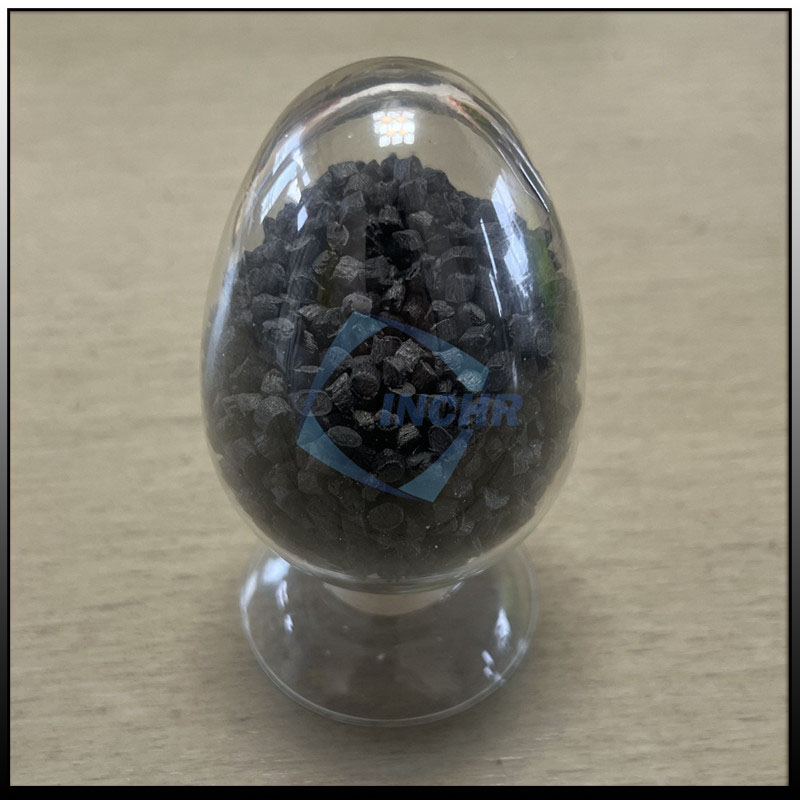
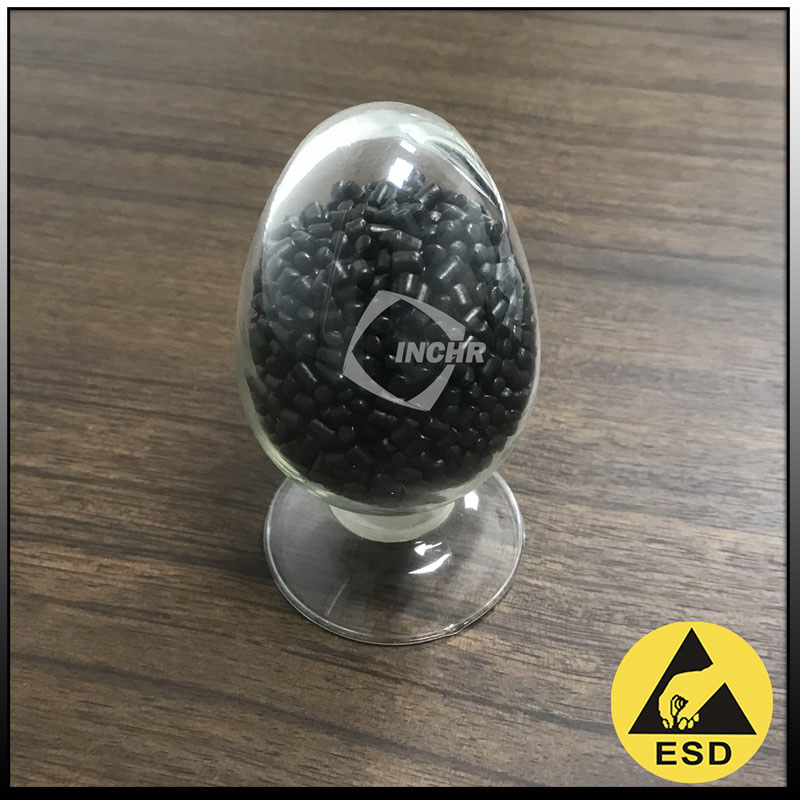
Static electricity is a silent productivity killer in plastic processing. From dust attraction on packaging films to catastrophic ESD (electrostatic discharge) failures in electronic components, uncontrolled surface charges cost manufacturers millions annually. The solution? Antistatic masterbatch – a concentrated additive system that transforms standard resins into permanently static-dissipative materials.
This guide covers the science, selection criteria, and real-world applications of antistatic masterbatches, helping you make data-driven decisions for your production line.
What Is Antistatic Masterbatch?
An antistatic masterbatch is a solid additive compound consisting of a carrier resin (e.g., PE, PP, PS, or ABS) uniformly loaded with 15–50% active antistatic agents. Unlike topical sprays or external corona treatments, this internal additive migrates to the polymer surface over time, forming a microscopically thin conductive layer that reduces surface resistivity from >10¹² Ω/sq to the range of 10⁶–10¹⁰ Ω/sq – the sweet spot for static decay without compromising insulation properties.
How It Works: The Migration Mechanism
Three phases define the performance lifecycle:
Blending & Extrusion – The masterbatch is melt-mixed with the base polymer during injection molding, film blowing, or fiber spinning.
Migration – After cooling, the low-molecular-weight antistatic agent (typically ethoxylated amines, glycerol esters, or quaternary ammonium salts) slowly diffuses to the surface. This takes 24–72 hours, depending on humidity and temperature.
Water Absorption – The hydrophilic head of the surface-active molecule absorbs atmospheric moisture, creating a continuous conductive network that drains static charges to ground.
Critical note: Efficacy depends on ambient relative humidity (RH). Most standard masterbatches perform optimally at >40% RH. For low-humidity environments (<20% RH), consider permanent antistatic masterbatches based on conductive carbon black or carbon nanotubes, which are humidity-independent.
Types of Antistatic Masterbatches
| Type | Active Ingredient | Best For | Humidity Dependence |
|---|---|---|---|
| Migratory (organic) | Amines, esters, glycerides | Packaging films, textiles, general molding | High (>40% RH required) |
| Permanent (conductive) | Carbon black, graphene, CNT | ESD-sensitive electronics, cleanroom parts | None |
| Hybrid | Polymer alloys + ionic liquids | Automotive interior trims, medical devices | Moderate |
Key Applications Across Industries
1. Electronics Packaging
Anti-static bags and component trays require surface resistivity of 10⁶–10⁹ Ω/sq to prevent ESD damage to ICs and LEDs.
Recommended loading: 3–5% of migratory masterbatch in LDPE or PS.
2. Automotive Interiors
Dashboard panels, door handles, and fuel system components need dust repellence and spark prevention.
Preferred type: Permanent carbon-black grade to withstand temperature cycles and low humidity.
3. Medical Devices
Syringe barrels, IV connectors, and surgical drapes must avoid particle attraction while passing biocompatibility tests (ISO 10993).
Solution: Food-contact-approved migratory masterbatches with glycerol stearate.
4. Textile Fibers
Polyester and nylon carpets, workwear, and conveyor belts benefit from antistatic filaments to reduce static cling and shock hazards.
Process: Masterbatch added directly in melt-spinning lines at 2–4% concentration.
How to Select the Right Masterbatch: 5 Critical Factors
Base Polymer Compatibility – Mismatched carrier resins cause poor dispersion. Always match the carrier to your main resin (e.g., PP carrier for PP parts).
Target Resistivity – Define your ESD standard: ANSI/ESD S20.20, IEC 61340, or MIL-PRF-81705.
Processing Temperature – Organic agents degrade above 280°C. For high-temp engineering plastics (e.g., PBT, Nylon), use high-stability permanent grades.
Additive Interactions – Avoid conflicts with flame retardants, pigments, or lubricants. Conduct a compatibility trial before full-scale production.
Regulatory Compliance – For food packaging, ensure FDA 21 CFR or EU 10/2011 approval. For medical, request ISO 10993 test reports.
Dosage, Processing, and Performance Testing
Typical let-down ratio: 1–5% by weight. Overdosing (>6%) causes slip issues and plate-out on mold surfaces.
Mixing recommendation: Use a twin-screw extruder with high shear to ensure uniform particle dispersion. Avoid moisture ingress – dry the masterbatch at 80°C for 2 hours if hygroscopic.
Quality control tests:
Surface resistivity (ASTM D257)
Static decay time (FTMS 101C Method 4046)
Friction charge measurement (ISO 18080)
For detailed testing protocols and equipment calibration, please contact us.
Common Pitfalls to Avoid
Assuming immediate effect – Migratory types need 24–48 hours post-molding to reach full performance.
Ignoring humidity fluctuations – In dry winter months, permanent grades outperform migratory ones.
Using contaminated regrind – Recycled material alters the active concentration; adjust dosage accordingly.
Overlooking surface appearance – Some antistatic agents cause haze in clear films. Request optical-grade formulations for transparent packaging.
Future Trends: Smart and Sustainable Masterbatches
The industry is shifting toward:
Bio-based antistatic agents (from castor oil and cellulose derivatives) to reduce fossil footprint.
Nanocarbon hybrids that achieve 10⁶ Ω/sq at only 0.5% loading, preserving mechanical properties.
Self-indicating grades that change color when static protection degrades – a game-changer for quality assurance.
Conclusion
Antistatic masterbatch remains the most cost-effective, reliable method for volume production of static-safe plastics. Whether you choose migratory organic types for flexible packaging or permanent conductive grades for critical electronics, the key lies in matching the product chemistry to your operating environment, processing conditions, and regulatory demands.
Start your static-free journey today – test, measure, and optimize. Your yield rates and customer satisfaction will thank you.