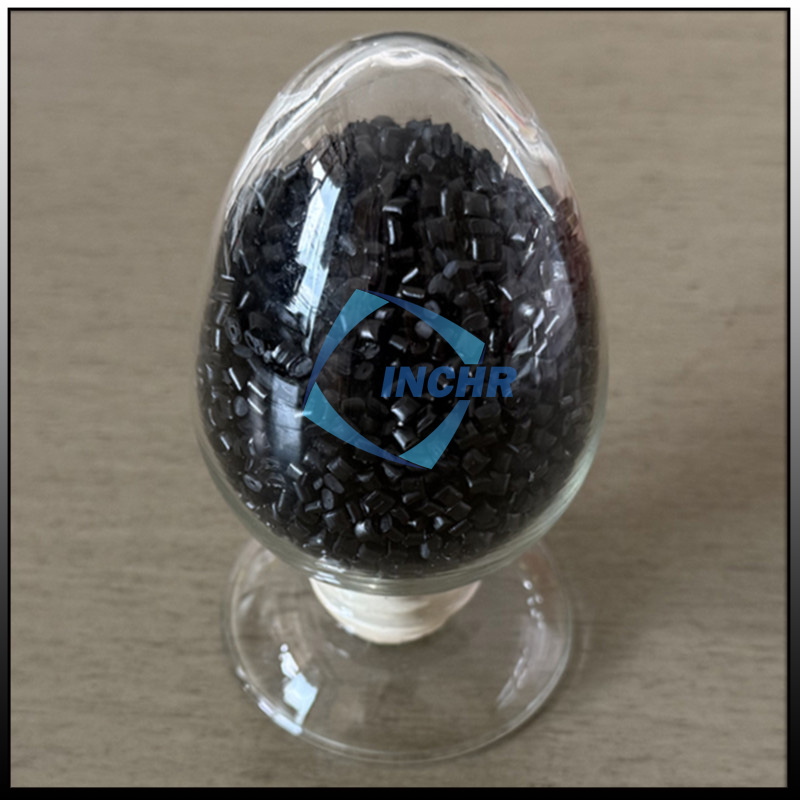
Electrostatic discharge (ESD) causes billions in hidden damage to electronic components each year. ESD plastics material provides a proven defense—engineered polymers that safely control static electricity across manufacturing, handling, and packaging environments.
What Are ESD Plastics?
ESD plastics are modified thermoplastics with surface resistivity between 10⁴ and 10¹¹ Ω. Unlike standard insulators (>10¹² Ω), they allow static charges to dissipate slowly without damaging sparks.
Three technologies achieve this:
Conductive fillers – Carbon black, fiber, or nanotubes
Antistatic additives – Moisture‑attracting chemical agents
Inherently dissipative polymers (IDPs) – Humidity‑independent molecular design
Key Material Grades & Applications
ESD‑PEEK – Withstands 260°C continuous. Used for semiconductor test sockets and burn‑in fixtures High‑Temp ESD Materials.
ESD‑POM (Acetal) – Carbon‑free grades like TECAFORM AH SD for cleanroom fixturing.
ESD‑PEEK CF30 – Carbon‑fiber reinforced for robotic end‑effectors and wear‑resistant parts.
ESD‑ABS / ESD‑PC – Cost‑effective for PCB racks, assembly jigs, and 3D printing.
ESD‑PP – Corrugated sheets for tote boxes and bins.
ESD‑UHMW‑PE – Wear‑resistant liners for bulk handling.

Critical Industries
Semiconductor – Wafer trays, test sockets, pick‑and‑place nozzles
Electronics assembly – Workstations, shelving, storage bins
Medical devices – Diagnostic equipment and implantable electronics
Aerospace & defense – Avionics requiring flame‑retardant ESD materials
Automotive – ECU and sensor housings
Packaging – Vacuum‑formed trays for component transport
How to Select the Right ESD Plastic
Consider these factors:
Resistivity range – Conductive (10⁴‑10⁶ Ω) vs. dissipative (10⁶‑10¹¹ Ω)
Environment – Temperature, humidity, chemicals, cleanroom grade
Mechanical needs – Load‑bearing? Use reinforced grades like PEEK CF30
Processing – Injection molding, extrusion, or 3D printing filament
Industry Standards
Comply with recognized specifications:
ANSI/ESD S541‑2019 – Packaging materials
IEC 61340‑5‑3:2022 – Protective packaging
ANSI/ESD S20.20 – ESD control programs
ASTM D257 – Resistivity testing
Conclusion
ESD plastics material enables modern electronics manufacturing by combining polymer versatility with engineered static control. From fabs to assembly lines, these specialized materials protect sensitive devices and improve yield.