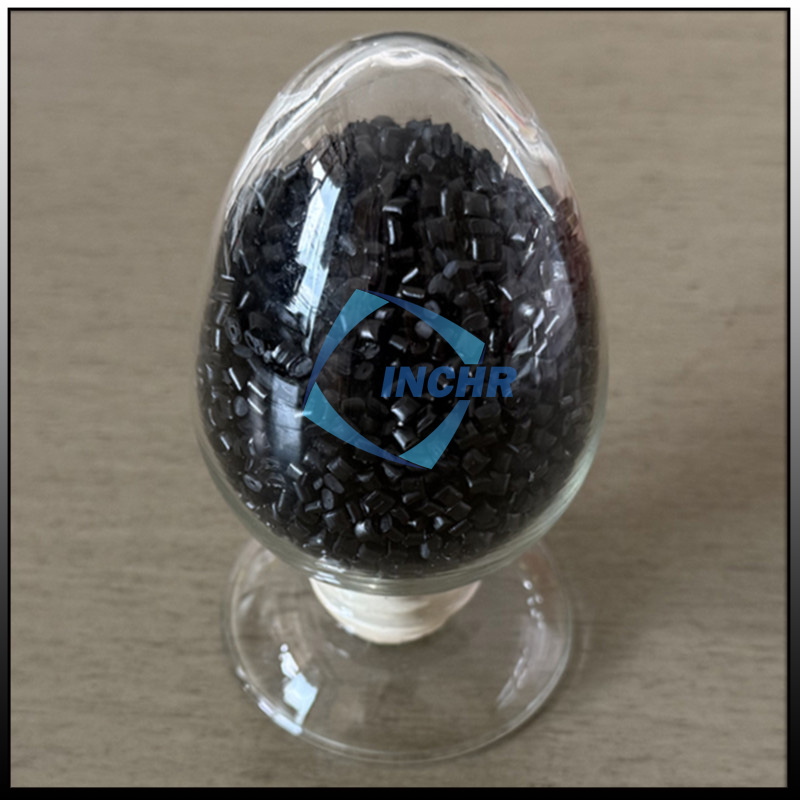
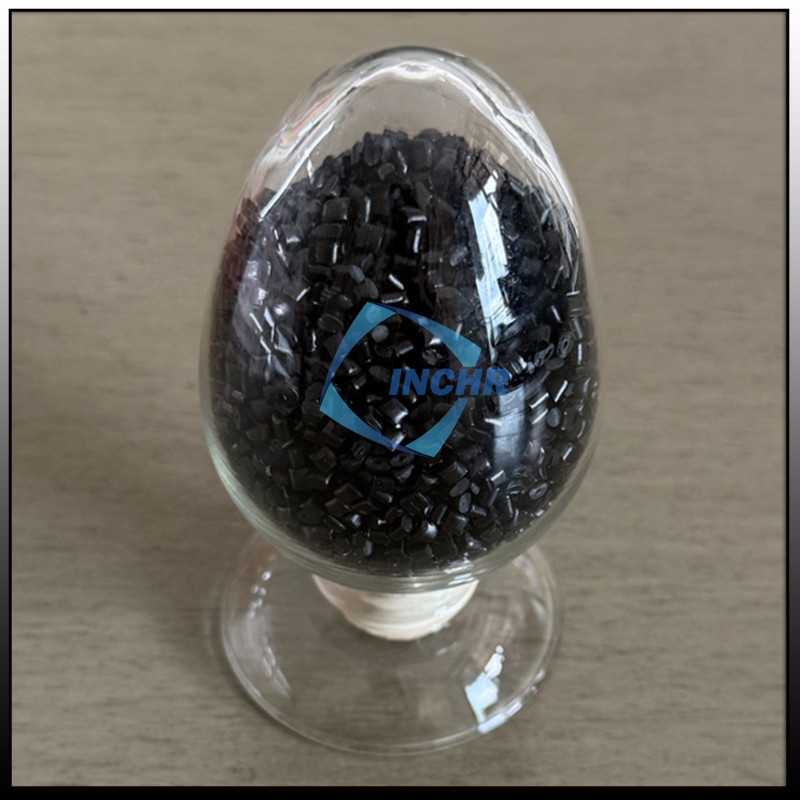
1. What Is Antistatic Masterbatch?
Antistatic masterbatch is a functional additive used in plastic manufacturing to reduce or eliminate static electricity buildup on polymer surfaces. It is typically composed of antistatic agents dispersed in a carrier resin compatible with the base plastic (such as PE, PP, or ABS).
When incorporated during processes like injection molding, extrusion, or blow molding, it helps prevent electrostatic discharge (ESD), dust attraction, and handling issues.Plastic Additives Guide.
2. How It Works
Antistatic masterbatch functions by migrating to the surface of the plastic and forming a thin conductive layer that absorbs moisture from the air. This layer reduces surface resistivity, allowing static charges to dissipate safely.
There are two main types:
Internal antistatic agents – migrate to the surface over time
External antistatic agents – applied directly on finished products

3. Key Properties
Antistatic masterbatch offers several important performance advantages:
• Static Dissipation
Reduces surface resistivity typically to 10⁹–10¹² Ω
• Improved Processability
Compatible with standard thermoplastics and processing methods
• Transparency Retention
Certain grades maintain optical clarity in films and packaging
• Cost Efficiency
Lower cost compared to conductive fillers like carbon black
• Food-Grade Options
Available formulations comply with FDA/food-contact regulations
Injection Molding Materials Selection.
4. Antistatic vs Conductive Masterbatch
Although both reduce static, they serve different purposes and performance levels:
| Feature | Antistatic Masterbatch | Conductive Masterbatch |
|---|---|---|
| Mechanism | Moisture absorption layer | Continuous conductive network |
| Surface Resistivity | 10⁹–10¹² Ω | 10²–10⁶ Ω |
| Materials | Organic additives | Carbon black, carbon nanotubes |
| Cost | Lower | Higher |
| Durability | Temporary (migration-based) | Permanent |
| Applications | Packaging, бытовые plastics | Electronics, ESD protection |
5. Typical Applications
Antistatic masterbatch is widely used across industries where static control is necessary but full conductivity is not required:
• Packaging Industry
PE/PP films
Food packaging
Protective wraps
• Electronics Industry
Component trays
IC packaging
Dust-free containers
• Automotive Sector
Interior plastic parts
Fuel system components
• Consumer Goods
Household appliances
Storage boxes
6. Processing Considerations
To achieve optimal performance:
Dosage: Typically 1–5% depending on resin and requirements
Compatibility: Match carrier resin with base polymer
Humidity Sensitivity: Performance depends on environmental humidity
Migration Time: Full effect may take hours to days after molding
7. Advantages and Limitations
Advantages
Easy to use in standard processes
Cost-effective solution
Maintains mechanical properties
Suitable for high-volume production
Limitations
Performance decreases in low humidity
Not suitable for high-level ESD protection
May affect surface appearance over time
8. Future Trends
The development of antistatic masterbatch is moving toward:
• Permanent Antistatic Solutions
Reducing dependence on humidity and migration
• Nanotechnology Integration
Use of graphene and nanotubes for enhanced performance
• Eco-Friendly Formulations
Biodegradable and non-toxic additives
• High-Performance Electronics Applications
Bridging the gap between antistatic and conductive materials
Conclusion
Antistatic masterbatch is a critical additive in modern plastic manufacturing, offering a practical and economical solution for static control. While it differs significantly from conductive masterbatch in performance and mechanism, it remains indispensable for packaging, consumer goods, and light electronic applications. As materials science advances, more durable and sustainable solutions are expected to further expand its industrial value.