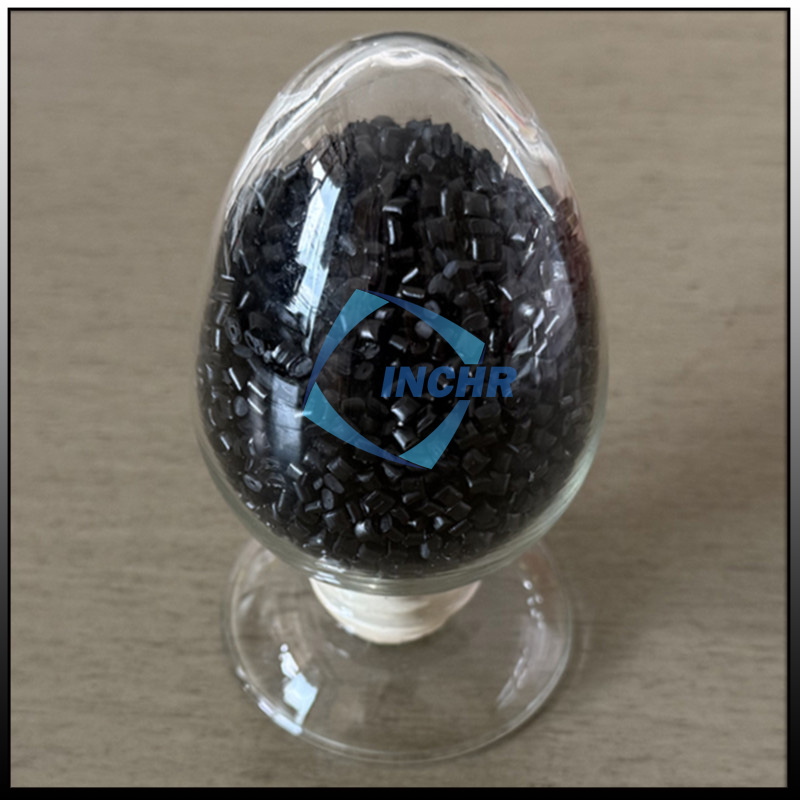
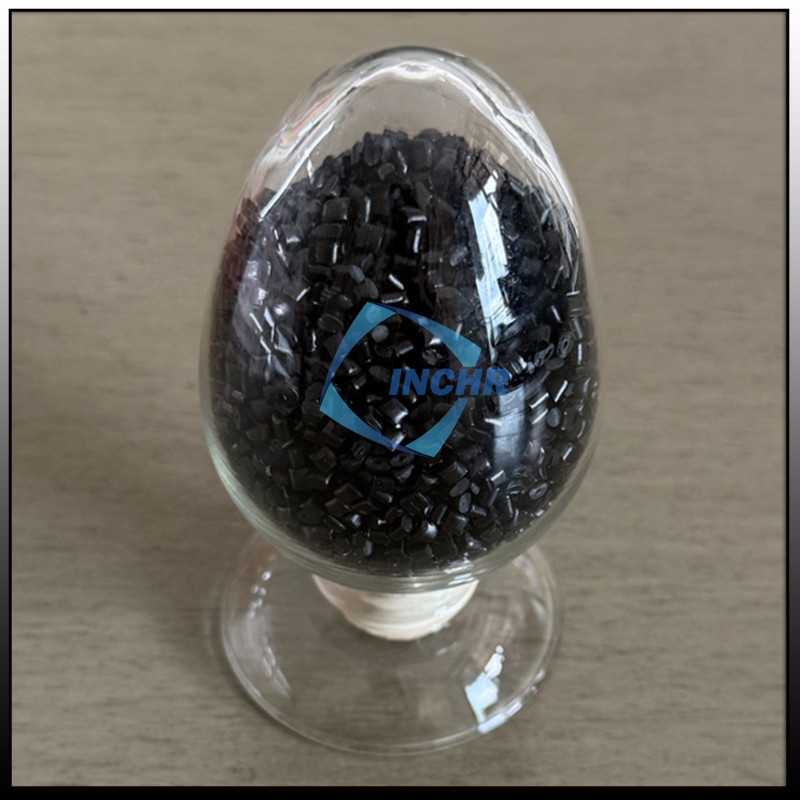
In plastic manufacturing, static electricity is more than a minor inconvenience—it can directly impact product quality, operational efficiency, and even workplace safety. Antistatic masterbatch offers a proven solution to control static buildup and significantly enhance the safety and performance of plastic products.

What Is Antistatic Masterbatch?
Antistatic masterbatch is a concentrated additive incorporated into plastic resins such as polyethylene (PE), polypropylene (PP), and acrylonitrile butadiene styrene (ABS). Its main function is to reduce surface resistivity, allowing electrostatic charges to dissipate effectively.
By improving conductivity at the surface level, antistatic masterbatch helps maintain cleaner, safer, and more reliable plastic products.
👉 Learn more about material selection: Plastic Materials Guide.
Why Static Control Is Critical
During processing, transportation, or usage, plastics can accumulate static charges due to friction. Without proper control, this can result in:
- Attraction of dust and contaminants
- Electrostatic discharge (ESD) damaging sensitive electronics
- Production issues such as film sticking or blocking
- Increased safety risks in flammable environments
Implementing antistatic solutions ensures stable production and consistent product quality.
How Antistatic Masterbatch Works
Antistatic masterbatch functions by introducing active agents that either:
- Attract moisture from the air to form a conductive surface layer
- Provide permanent conductive pathways within the polymer matrix
These mechanisms reduce static buildup and improve charge dissipation across the plastic surface.
Key Benefits
1. Enhanced Safety
Reduces the risk of sparks and electrostatic discharge, particularly in electronics and industrial environments.
2. Improved Product Quality
Prevents dust adhesion, ensuring a cleaner and more professional surface finish.
3. Better Processing Efficiency
Minimizes static-related issues such as material sticking, improving manufacturing speed and consistency.
4. Long-Term Performance
Permanent antistatic masterbatch solutions provide stable conductivity without performance degradation.
Typical Applications
Antistatic masterbatch is widely used in:
- Packaging Industry
Keeps films and containers clean and dust-free - Electronics Industry
Protects sensitive components from ESD damage - Automotive Sector
Enhances durability and safety of plastic parts - Industrial Applications
Improves handling and processing of plastic sheets and profiles
Choosing the Right Antistatic Masterbatch
To achieve optimal results, manufacturers should consider:
- Compatibility with base polymers (PE, PP, ABS, etc.)
- Required surface resistivity levels
- Processing methods (injection molding, extrusion, film blowing)
- Environmental conditions such as humidity and temperature
Working with an experienced supplier ensures tailored formulations that meet specific application requirements.
👉 Get expert support: Custom Masterbatch Solutions.
Conclusion
Antistatic masterbatch is an essential solution for modern plastic manufacturing. By effectively controlling static electricity, it enhances product safety, improves surface quality, and boosts production efficiency. Choosing the right formulation and supplier allows manufacturers to deliver high-performance plastic products that meet the demands of today’s industries.