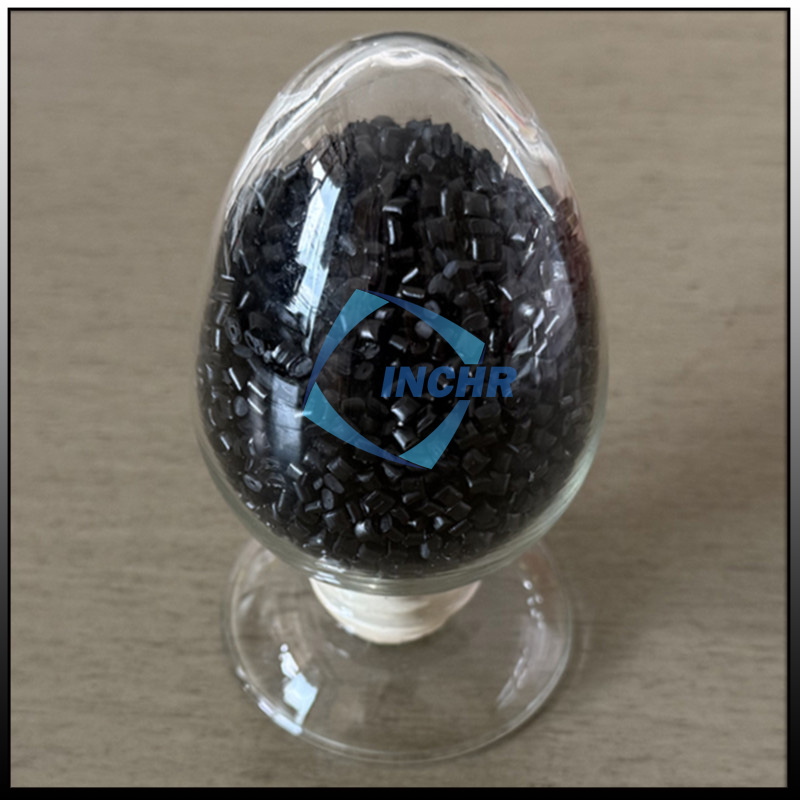
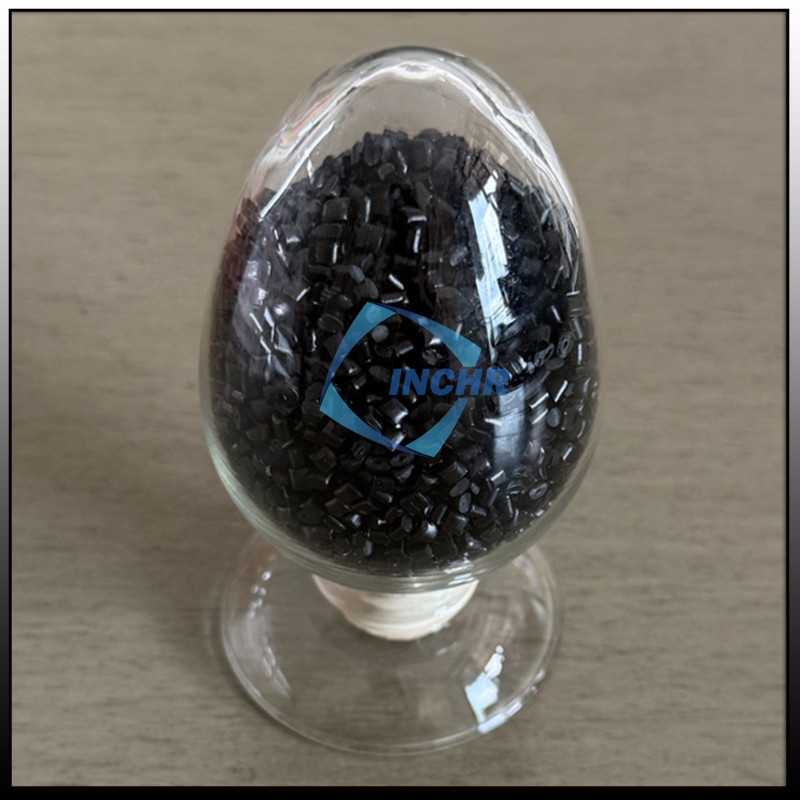
In the precise world of electronics manufacturing, protection extends far beyond the shipping box. From the housing of a sensitive medical device to the internal tray of a diagnostic machine, every component must be safeguarded against the invisible threat of electrostatic discharge (ESD). This is where specialized Antistatic ABS Compound rises as a critical engineering material, offering permanent, reliable static control integrated directly into durable plastic parts.
Beyond Surface Treatments: The Case for Intrinsic Static Control
Many manufacturers rely on topical sprays or coatings to impart antistatic properties. However, these solutions are temporary, wearing off with abrasion or handling, leaving products vulnerable. Permanent antistatic ABS plastic solves this by incorporating static-control additives directly into the resin matrix during compounding. This creates a material with inherent, permanent ESD-safe properties that last the lifetime of the part, ensuring consistent performance without secondary processes.
Conductive vs. Static-Dissipative: Choosing the Right Path for Charge
Not all ESD protection is equal, and Antistatic ABS compounds are engineered to meet specific electrical resistance ranges for different applications:
Conductive ABS Compounds: These materials offer very low electrical resistance, typically in the range of 10^3 to 10^5 ohms-per-square. They are designed to conduct charge away rapidly, providing a path to ground. This is essential for applications like IC trays, shipping carriers, and handling fixtures where quick charge removal is critical to prevent damage to highly sensitive components.
Static-Dissipative ABS Compounds: With a higher, controlled resistance (generally 10^6 to 10^11 ohms-per-square), these grades dissipate static charge in a slower, more controlled manner. This prevents rapid discharge events and is ideal for applications like device housings, enclosures for test equipment, and factory automation components where operator safety and component integrity are paramount.
Understanding this distinction is key to selecting the right material, as outlined in the ANSI/ESD S20.20 standard.
Key Advantages and Application Spectrum
The primary benefit of using an Antistatic ABS plastic is its permanent ESD protection. Yet, it fully retains the excellent intrinsic properties that make ABS a manufacturing favorite:
High Strength & Rigidity: Suitable for structural components and protective enclosures.
Excellent Impact Resistance: Withstands physical shocks in demanding industrial environments.
Superior Surface Finish & Aesthetics: Allows for high-quality, visually pleasing parts right out of the mold.
Ease of Processing: Excellently suited for injection molding, enabling the cost-effective production of complex geometries.
These properties unlock a wide range of ESD-safe applications, including:
Housings and enclosures for sensitive electronics and medical devices.
Material Handling: Factory floor totes, bins, and pallets.
Interior components for electronic cabinets and cleanroom equipment.
Jigs, fixtures, and tooling used in PCB assembly lines.
Specification and Selection: A Guided Approach
Choosing the correct Antistatic ABS compound requires careful consideration. Key factors include:
Required Surface Resistance: Determine if your application needs conductive or static-dissipative performance based on the sensitivity of the components involved.
Physical & Regulatory Requirements: Consider needed mechanical strength, flame retardancy (e.g., UL 94 ratings), and color. It’s crucial to specify compounds that meet relevant industry certifications.
Processing Conditions: Work with your material supplier or molder to ensure the selected grade is optimized for your specific tooling and injection molding parameters.
For complex projects, consulting with a knowledgeable compounder early in the design phase is invaluable. They can provide technical data sheets and recommend grades that balance ESD performance with other critical requirements.
Conclusion: Integrating Safety into the Design
In today’s electronics-driven landscape, ESD protection cannot be an afterthought. By designing with Antistatic ABS Compound, engineers and designers build reliable, permanent static control directly into their products. This proactive material choice mitigates the risk of costly ESD damage, enhances end-product reliability, and ensures safety throughout the product’s lifecycle—from the factory floor to the end user. It represents a fundamental shift from applying protection to inherently engineering it in.