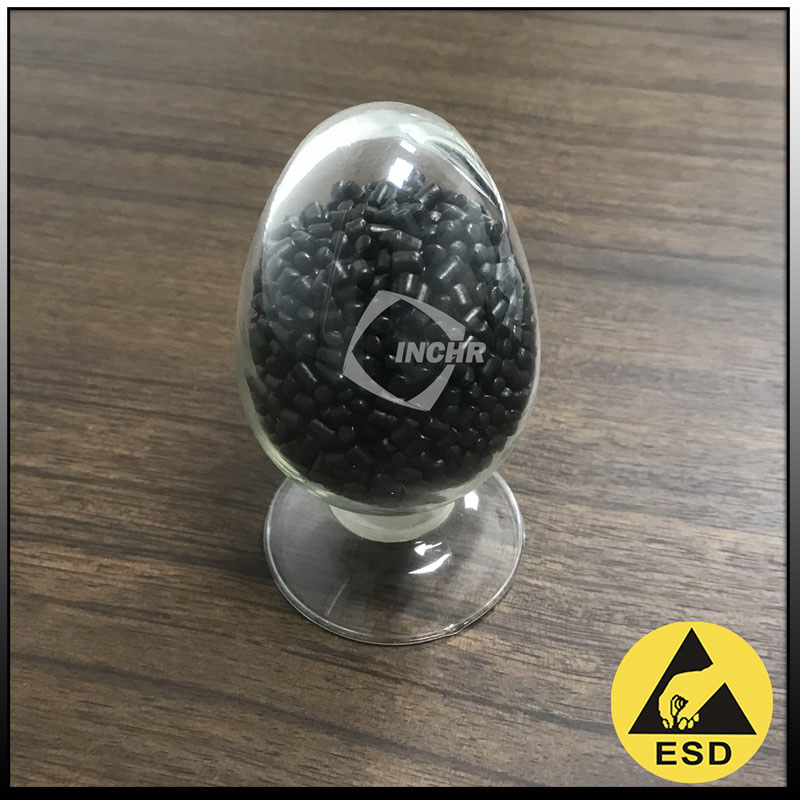
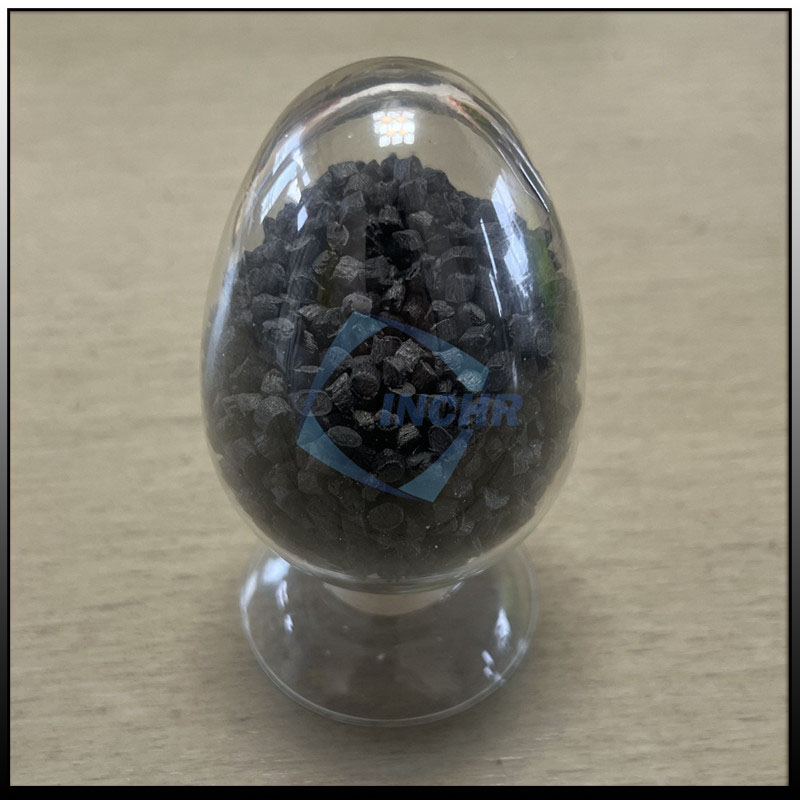
In the fast-paced world of electronics manufacturing, protecting sensitive components from electrostatic discharge (ESD) is not optional—it is essential. From IC chips to hard drives, even a microscopic static spark can render a device useless or cause latent failures that surface only after deployment. Traditional temporary antistatic treatments, such as topical sprays or humidity-dependent coatings, often fail over time. This is where permanent antistatic EVA compound redefines the standard for electronics packaging and trays.

What Makes It “Permanent”?
Unlike conventional antistatic solutions that rely on surface migration or moisture absorption, permanent antistatic EVA compounds are engineered at the polymer level. Specialized static-control additives—either inherently dissipative polymers or precisely dispersed conductive networks—are integrated into the EVA resin matrix during compounding. The result is a material with homogeneous, time-stable ESD protection that does not wash off, wear away, or depend on ambient humidity.
This permanence delivers critical advantages:
No reapplication costs – Protection lasts the entire product lifecycle.
Consistent performance – Surface resistance remains stable from first use to final disposal.
Clean & non-contaminating – Ideal for cleanroom and medical device packaging.
Engineered for Electronics Packaging & Trays
Permanent antistatic EVA foam and sheet compounds are specifically formulated to meet the rigorous demands of electronics handling:
1. Controlled Surface Resistivity
Depending on the grade, these compounds offer surface resistance in the range of 10⁶ to 10⁹ ohms/sq (static-dissipative) or 10³ to 10⁵ ohms/sq (conductive). This flexibility allows engineers to match the material precisely to the sensitivity of the component, as defined by ANSI/ESD S20.20.
2. Mechanical Protection with Cushioning
EVA is inherent flexibility, closed-cell structure, and shock absorption properties make it the preferred material for custom die-cut trays, IC shipping tubes, carrier tapes, and protective inserts. It protects against physical impact while continuously draining static charge.
3. Clean, Carbon-Free Options
For sensitive applications such as hard drive gaskets or optical component trays, carbon-free permanent antistatic EVA compounds are available. These grades achieve ESD control without carbon black, eliminating the risk of particulate shedding and black residue.
4. Process Versatility
Permanent antistatic EVA compounds are compatible with:
Injection molding for rigid trays and hinged containers.
Extrusion for sheet and film used in thermoformed clamshells.
Foaming processes for lightweight cushioning pads.
Applications Across the Electronics Supply Chain
The adoption of permanent antistatic EVA spans the entire electronics logistics chain:
| Application | Function |
|---|---|
| IC Trays & Carrier Tapes | Secure transport of semiconductors without charge buildup. |
| Hard Drive Shipping Trays | Combine vibration dampening with ESD safety. |
| PCB Racks & Inserts | Hold boards during assembly and wave soldering. |
| In-Process Totes & Bins | Static-safe handling on factory floors. |
| Consumer Electronics Packaging | Retail-ready presentation with permanent protection. |
Sustainability and Compliance
Modern permanent antistatic EVA compounds are formulated to meet global environmental regulations. They are available in RoHS, REACH, and halogen-free compliant grades, supporting manufacturers in achieving sustainability goals without compromising performance.
Furthermore, because the antistatic property is inherent, these materials are fully recyclable within appropriate waste streams—unlike coated foams that contaminate recycling batches.
Why Switch from Temporary to Permanent?
Many manufacturers still rely on topical antistatic sprays or polyethylene bags with migratory additives. These solutions present significant risks:
Migratory additives can transfer to components, causing ionic contamination.
Sprays require frequent reapplication and labor costs.
Humidity-dependent materials fail in dry environments (below 30% RH).
Permanent antistatic EVA eliminates these variables. It provides guaranteed ESD protection from the moment the part is molded until it reaches the end customer.
Conclusion: Invest in Permanent Protection
Permanent antistatic EVA compound for electronics packaging and trays is not merely a material upgrade—it is a reliability strategy. By integrating permanent static control directly into the package, electronics manufacturers reduce field failures, eliminate costly rework, and enhance brand reputation.
Whether you require conductive foam for high-speed IC handling or static-dissipative sheet for delicate sensor packaging, permanent antistatic EVA delivers consistent, verifiable, and long-lasting performance. Contact our material specialists to discuss your specific ESD packaging requirements and request samples for qualification.