In the world of electronics manufacturing and shipping, protection goes beyond physical cushioning. The invisible threat of electrostatic discharge (ESD) can instantly damage sensitive components, making antistatic packaging not just an option but a necessity. Antistatic EVA foam has emerged as a critical material in the fight against ESD, offering superior protection through its conductive and static-dissipative properties.
What is Antistatic EVA Foam?
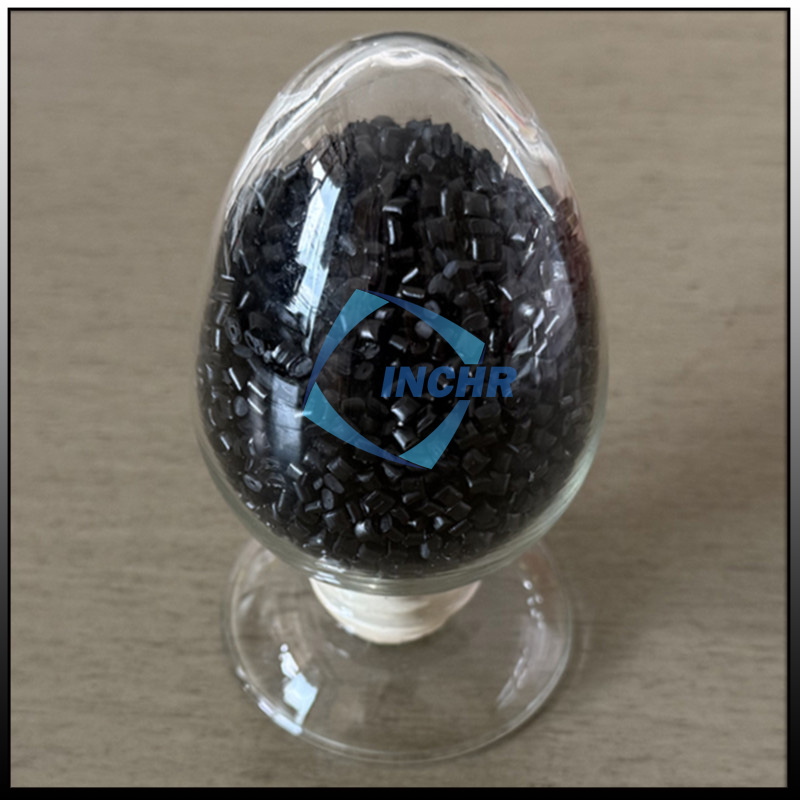
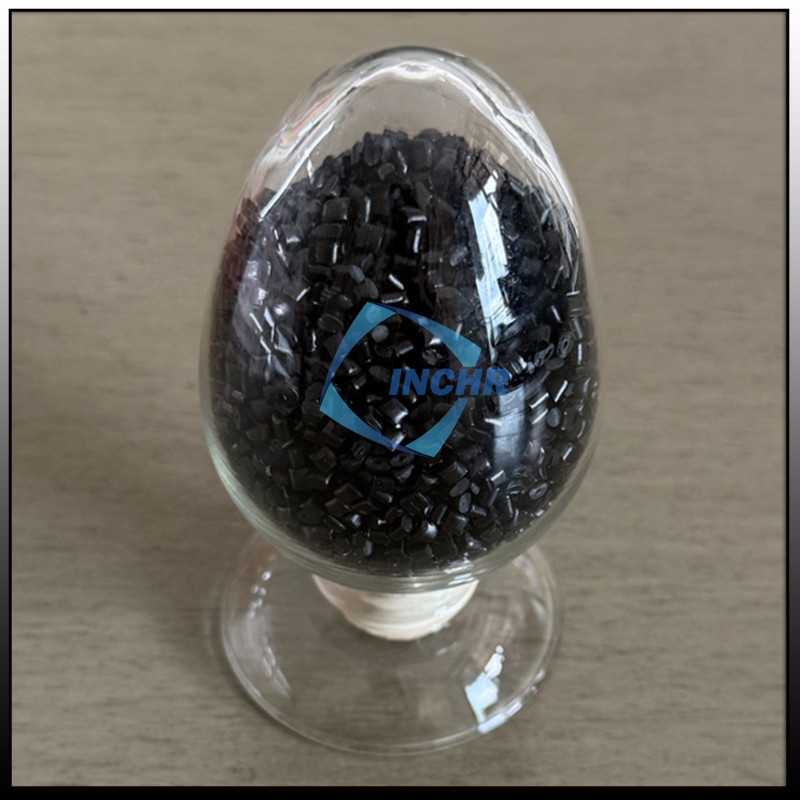
Ethylene-Vinyl Acetate (EVA) is a versatile, closed-cell foam known for its durability, flexibility, and excellent cushioning characteristics. When engineered to be antistatic, it is impregnated with carbon or other conductive agents during production. This creates a permanent network within the foam’s structure that allows electrical charges to flow across its surface and dissipate safely to ground, rather than building up and discharging suddenly.
The result is a lightweight, resilient material available in various colors—often pink or black—that meets key industry standards for static control.

Key Properties and Advantages
Antistatic EVA foam offers a unique blend of benefits:
Permanent Static Protection: Unlike topical treatments that can wear off, the conductive agents are distributed throughout the material, ensuring reliable performance throughout the product’s lifespan.
Excellent Cushioning: Its closed-cell structure absorbs shock and vibration, providing robust physical protection during transit and handling.
Lightweight and Customizable: EVA foam is easy to die-cut, peel, and fabricate into custom shapes, trays, and inserts that securely cradle specific components like circuit boards, semiconductors, and hard drives.
Clean and Non-Abrasive: The material is non-particulating, meaning it won’t shed dust or debris that could contaminate cleanroom environments or delicate parts.
Critical Applications in Electronics
This specialized foam is indispensable across the electronics supply chain:
Internal Component Packaging: Used for creating trays and inserts within shipping boxes for sensitive sub-assemblies.
Worksurface Mats: Provides a safe, static-dissipative surface for assembly and repair benches.
Interlayer Padding: Placed between stacked circuit boards or panels to prevent scratching and ESD.
Rack and Cabinet Inserts: Used in server racks and equipment cabinets to isolate and protect installed devices.
For a deeper understanding of ESD standards, refer to the ESD Association website.
Choosing the Right Protection: Conductive vs. Static-Dissipative
It’s important to select the correct material for your application:
Conductive Foam: Has very low resistance (typically < 1 x 10^5 ohms/sq), allowing charges to ground rapidly. Ideal for highly sensitive components and for shielding against electromagnetic interference (EMI).
Static-Dissipative Foam: Has higher resistance (usually 1 x 10^5 to 1 x 10^11 ohms/sq), allowing a slower, more controlled discharge. This is often preferred to prevent damage from a rapid current flow.
Conclusion
Antistatic EVA foam is a fundamental engineering solution for modern electronics. By combining reliable static control with superior physical cushioning, it safeguards valuable components from the factory floor to the end user. Investing in proper ESD packaging like conductive and static-dissipative foam is a simple yet effective strategy to reduce costly returns, increase reliability, and protect your technological investments.For more information on Antistatic EVA materials, please refer to the product catalog.