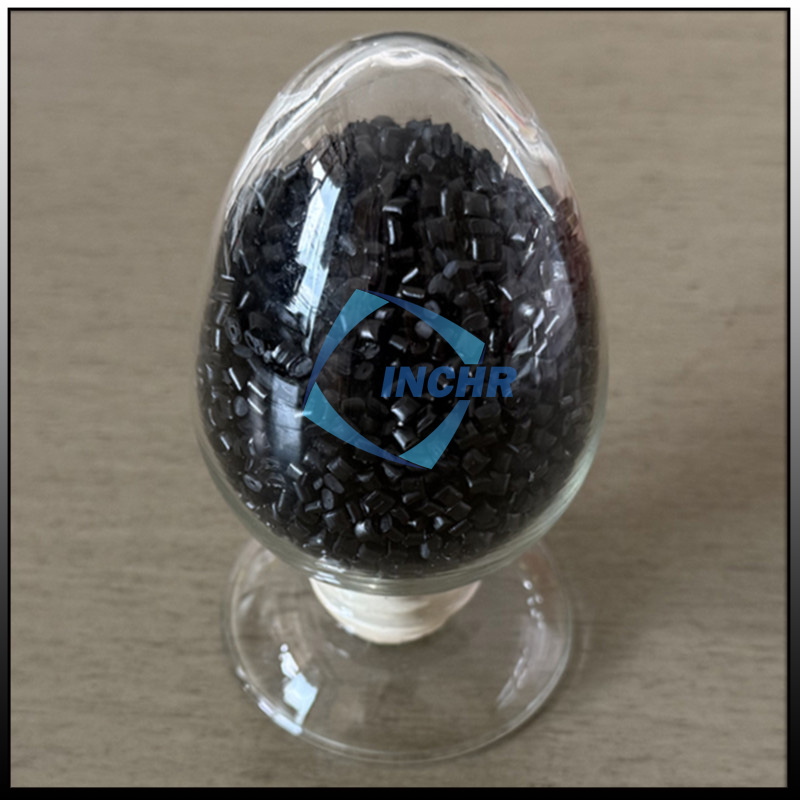
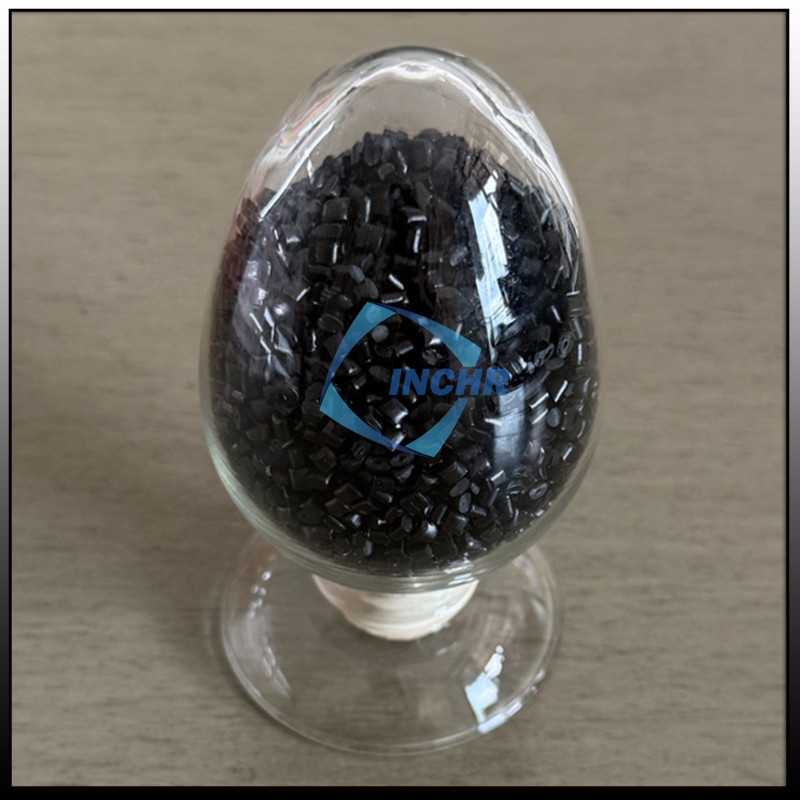
Antistatic EVA (Ethylene-Vinyl Acetate) material is a specialized foam engineered to control static electricity, making it indispensable in industries like electronics, packaging, and healthcare. As an antistatic EVA material manufacturer, producing this foam involves integrating conductive additives into EVA during compounding, ensuring consistent surface resistivity for electrostatic discharge (ESD) protection. This process requires precision in parameters like temperature and mixing, with quality tests adhering to standards such as ANSI/ESD S20.20 . For more on production techniques, visit our overview.

The versatility of antistatic EVA material allows customization in density, thickness, and color, catering to diverse applications. In electronics, it serves as gaskets, mats, and trays to shield sensitive components from ESD damage. In packaging, it provides cushioned, static-safe transport for devices like circuit boards. Healthcare uses include medical equipment packaging and cleanroom flooring, where static interference must be minimized. Explore our gallery for application examples.
Selecting a reliable antistatic EVA material manufacturer hinges on factors like expertise, certifications, and sustainability practices. Look for manufacturers with ISO 9001 certification and those offering customization to meet specific needs. Evaluating supply chain reliability and customer testimonials is crucial—our guide provides detailed tips . Additionally, eco-friendly innovations, such as recyclable or biodegradable antistatic EVA, are gaining traction; for updates, refer to GreenBiz.
Innovation drives this sector, with research focusing on enhanced durability and green additives. By partnering with a trusted manufacturer, businesses ensure product safety and performance. For further assistance, contact our team. Understanding these aspects helps in making informed decisions for ESD-critical applications.