In the precision-driven electronics and advanced manufacturing sectors, protecting sensitive components requires more than just a physical barrier. It demands a smart material solution that addresses the invisible threat of Electrostatic Discharge (ESD) at its core. Permanent Antistatic EVA foam stands out as this essential solution, integrating enduring ESD safety, reliable cushioning, and limitless customization into one versatile product.
What is Permanent Antistatic EVA?
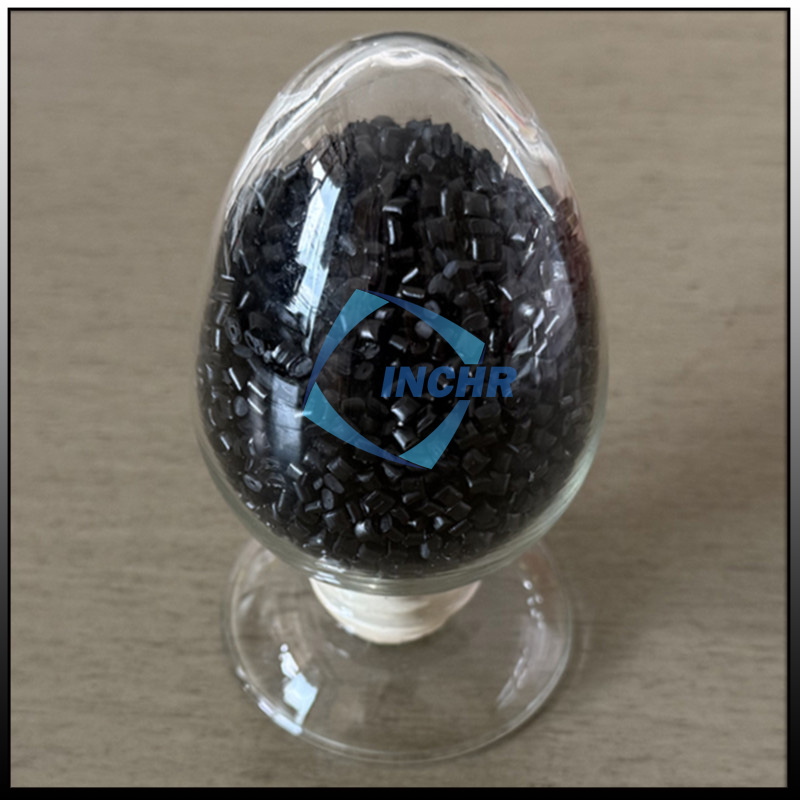
Permanent Antistatic Ethylene-Vinyl Acetate (EVA) foam is an engineered, closed-cell material with static-dissipative properties built into its very structure. Unlike superficially treated foams that lose effectiveness over time, this variant incorporates conductive carbon networks or other agents during the polymer blending process. This creates a permanent and homogeneous ability to safely dissipate electrostatic charges, meeting crucial standards like ANSI/ESD S20.20.

The Triad of Critical Benefits
1. Permanent & Reliable ESD-Safe Performance
The primary advantage is the permanence of its antistatic property. The material consistently maintains a surface resistance typically in the static-dissipative range (10^5 to 10^11 ohms/sq), ensuring a controlled bleed-off of charges. This unwavering performance safeguards sensitive PCBs, integrated circuits, and electromechanical devices from catastrophic ESD events throughout their handling lifecycle. For comprehensive ESD standards, the ESD Association is an authoritative resource.
2. Superior Cushioning & Physical Protection
Beyond static control, EVA foam provides exceptional shock absorption and vibration damping. Its closed-cell structure offers excellent resilience against repeated impacts and compressions during shipping, storage, and assembly. This dual functionality—stopping both physical and electrostatic damage—eliminates the need for multiple packaging materials, simplifying logistics and reducing costs.
3. Highly Customizable Solutions
The material is inherently easy to fabricate. It can be precisely die-cut, laminated, peeled, and thermoformed into complex shapes. This allows for the creation of custom trays, inserts, clamshells, and liners that snugly fit specific components—from delicate sensors to large server parts. Customization ensures parts do not shift in transit, maximizing protection and organization. Discover our capabilities for creating Custom ESD-Safe Foam Inserts here.
Key Applications Across Industries
This material is indispensable wherever electronics are present:
Precision Trays for Electronics Logistics: Handling PCBs, Hard Drives & Semiconductors.
Medical Device Packaging: Safe transport and storage of diagnostic and implantable electronic devices.
In-Process Workstations: Used as surface mats and component holders on assembly lines.
Choosing the Right Material
When selecting a permanent antistatic foam, consider the required resistance level, cushioning density (often measured in pounds per cubic foot), and environmental factors like moisture resistance. Partnering with a knowledgeable supplier ensures the solution meets both your technical and budgetary requirements. Learn more about Antistatic vs. Conductive Foam in our detailed guide.
Conclusion
Permanent Antistatic EVA Material is a foundational engineering asset for modern industry. By delivering permanent ESD safety, robust physical cushioning, and total design flexibility, it provides a comprehensive, cost-effective protection strategy. Investing in this integrated solution mitigates risk, reduces waste, and ultimately secures the integrity of your most valuable electronic components from production to end-user.