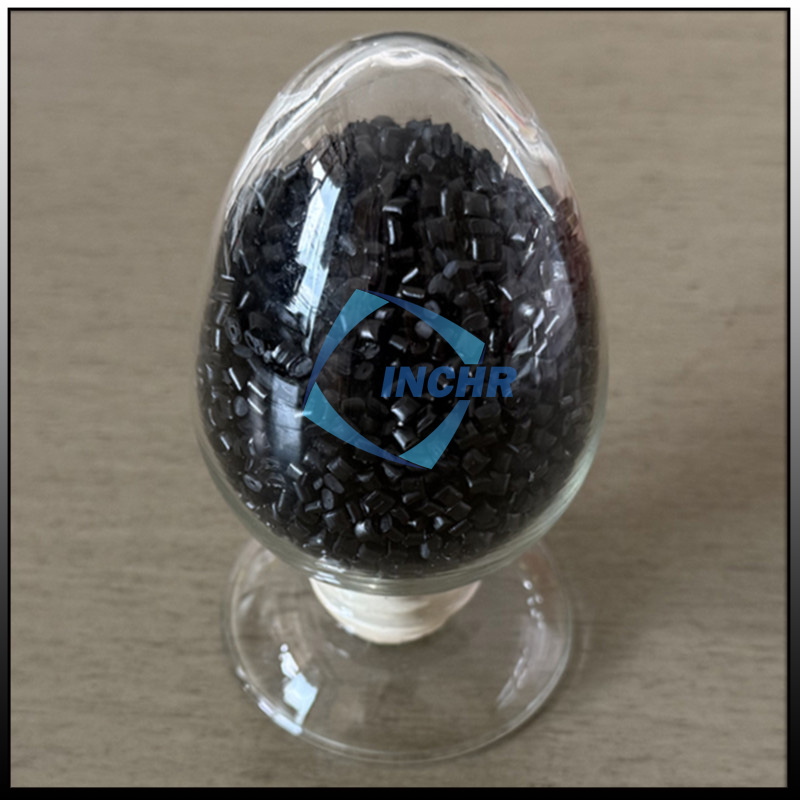
In the world of electronics manufacturing, shipping, and storage, an invisible threat lurks: electrostatic discharge (ESD). A tiny spark, imperceptible to humans, can instantly destroy sensitive circuits, damage components, and lead to costly failures. Protecting against this requires specialized materials, and at the forefront is Antistatic EVA Foam – a versatile solution engineered for superior electronics protection.
More Than Just Cushioning: Understanding the Threat
Traditional packaging focuses on physical shock absorption. However, for modern microelectronics, static electricity poses an equal, if not greater, risk. When two materials rub or separate, static charge builds up and can transfer to a printed circuit board (PCB), integrated circuit (IC), or hard drive, causing latent defects or catastrophic failure. This makes ESD-safe packaging not just an option but a critical requirement in industries from aerospace to consumer electronics.
The Science of Safe Protection: Conductive vs. Static-Dissipative
Antistatic EVA (Ethylene-Vinyl Acetate) foam is chemically modified or infused with additives to control electrical resistance. It comes in two primary forms:
Conductive EVA Foam: Features very low electrical resistance (typically < 1 x 10^5 ohms). It quickly conducts any static charge away from a sensitive component, safely discharging it to ground. This is ideal for directly housing and transporting highly sensitive devices.
Static-Dissipative EVA Foam: Has a higher, controlled resistance (generally 1 x 10^5 to 1 x 10^11 ohms). It dissipates static charge in a slower, more controlled manner, preventing rapid discharges that could also cause damage. It is perfect for work surfaces, trays, and long-term storage.
Both types prevent triboelectric charging and protect against from human or equipment-induced ESD events.
Key Properties and Applications
This engineered foam combines ESD protection with the innate benefits of EVA:
Excellent Cushioning: Absorbs physical shocks and vibrations during transit.
Lightweight & Flexible: Easy to fabricate into custom inserts, clamshells, or pouches.
Durable and Moisture-Resistant: Ensures long-term performance.
Customizable: Can be easily die-cut or thermoformed to snugly fit any component.
Typical applications include: PCB and IC trays, shipping trays for hard drives, protective packaging for telecommunications equipment, and interior liners for ESD-safe containers. It is also widely used on assembly lines as workbench mats and in tote boxes.
Choosing the Right Material for Your Needs
Selecting the correct foam depends on your specific requirements. Consider the sensitivity of the component, the environmental conditions (humidity can affect static control), and industry standards like ANSI/ESD S20.20. For high-risk environments, conductive foam is often specified. For general handling and storage, static-dissipative foam provides robust protection. Consulting with a specialist or referring to guidelines from the ESD Association is recommended.

Conclusion: An Investment in Reliability
In safeguarding valuable electronics, the packaging is an integral part of the quality assurance process. Antistatic EVA foam is a cost-effective, high-performance material that addresses both physical and electrostatic threats. By integrating this specialized foam into your logistics and production workflow, you invest in reducing damage rates, increasing product reliability, and ensuring your devices perform as intended, directly supporting customer satisfaction and brand reputation.
For more information about anti-static, please click on our product catalog.