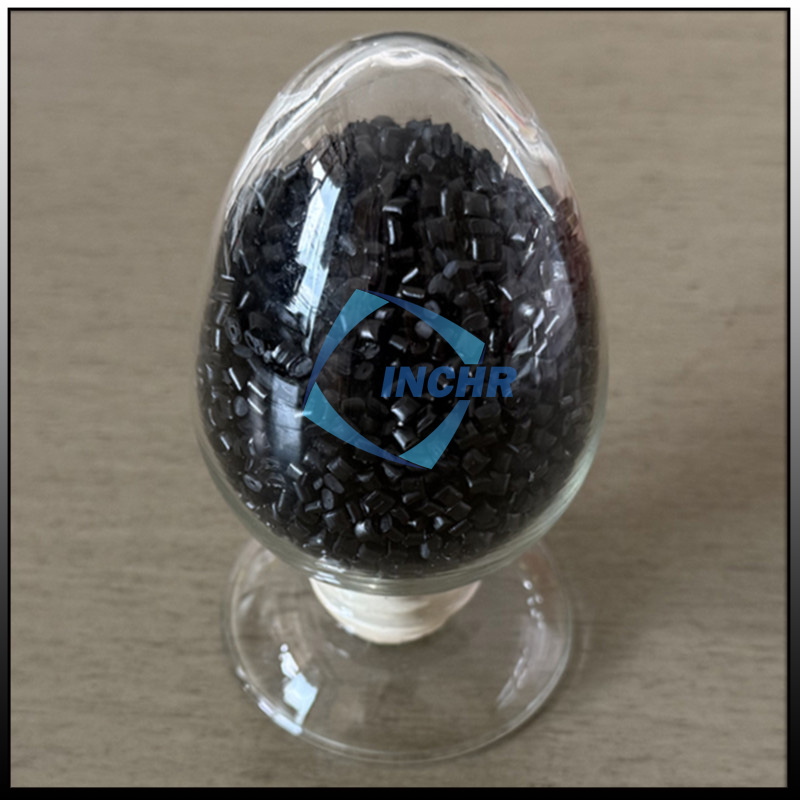
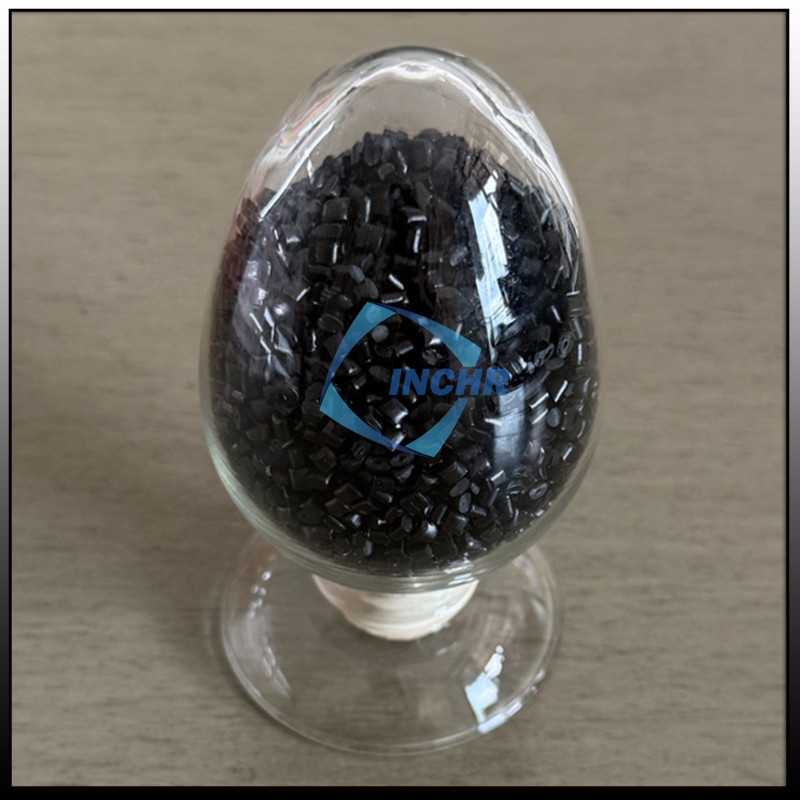
Static electricity is a critical issue in plastic processing and end-use applications. Materials like polyethylene (PE), polypropylene (PP), and engineering plastics are naturally insulating, making them prone to static buildup. Antistatic masterbatch provides an efficient and scalable solution to control static, improve safety, and enhance product performance.

What Is Antistatic Masterbatch?
Antistatic masterbatch is a concentrated additive that is blended into base polymers during manufacturing. It reduces surface resistivity and enables static charges to dissipate quickly, preventing accumulation on plastic surfaces.
This solution is widely used in thermoplastics such as PE, PP, ABS, PC, and nylon.
Learn more about material compatibility:Plastic Material Selection Guide.
The importance of static control in PE, PP, and engineering plastics applications.
PE and PP are widely used due to their cost-effectiveness and versatility, but their insulating nature makes them highly susceptible to static buildup. Engineering plastics, while offering superior mechanical properties, still face similar challenges in static-sensitive environments.
Without antistatic solutions, manufacturers may encounter:
- Dust contamination on product surfaces
- Electrostatic discharge (ESD) risks in electronics
- Processing inefficiencies such as film sticking
- Safety concerns in hazardous environments
Types of Antistatic Masterbatch
1. Migratory (Internal) Antistatic Masterbatch
These additives gradually migrate to the surface, forming a conductive layer that reduces static over time.
2. Permanent Antistatic Masterbatch
Provides stable and long-lasting conductivity without migration.
3. External Antistatic Coatings
Applied to finished products for immediate results but may require reapplication.
Key Benefits
Improved Safety
Reduces electrostatic discharge risks, especially in electronics and industrial environments.
Enhanced Product Quality
Prevents dust attraction and improves the appearance of plastic surfaces.
Better Processing Efficiency
Minimizes static-related issues like blocking, sticking, and uneven feeding.
Broad Compatibility
Works effectively with PE, PP, and a wide range of engineering plastics.
Application Areas
Antistatic masterbatch is widely used in:
- Flexible Packaging Films (PE, PP)
- Injection Molded Parts (ABS, PC, Nylon)
- Electronic Components & ESD Packaging
- Automotive Interior and Functional Parts
- Industrial Sheets and Profiles
Discover more applications: Plastic Industry Solutions.
How to Choose the Right Solution
Selecting the correct antistatic masterbatch depends on several factors:
- Base resin type (PE, PP, ABS, PC, etc.)
- Required surface resistivity level
- Processing method (extrusion, injection molding, blowing)
- Environmental conditions (humidity, temperature, exposure time)
Partnering with an experienced supplier ensures optimized formulations tailored to your specific application.
Contact our experts:Custom Antistatic Masterbatch Support.
Conclusion
Antistatic masterbatch is an essential additive for improving the safety and performance of PE, PP, and engineering plastics. By effectively controlling static electricity, it enhances product quality, ensures safer handling, and optimizes manufacturing efficiency. Choosing the right formulation allows manufacturers to meet the growing demands of high-performance plastic applications.