When selecting composite materials for industrial or commercial applications, two of the most popular choices are Carbon Fiber Reinforced Plastic (CFRP) and fiberglass. Both offer unique advantages, but choosing the right one depends on performance requirements, budget, and application scenarios.
What is Carbon Fiber Reinforced Plastic?
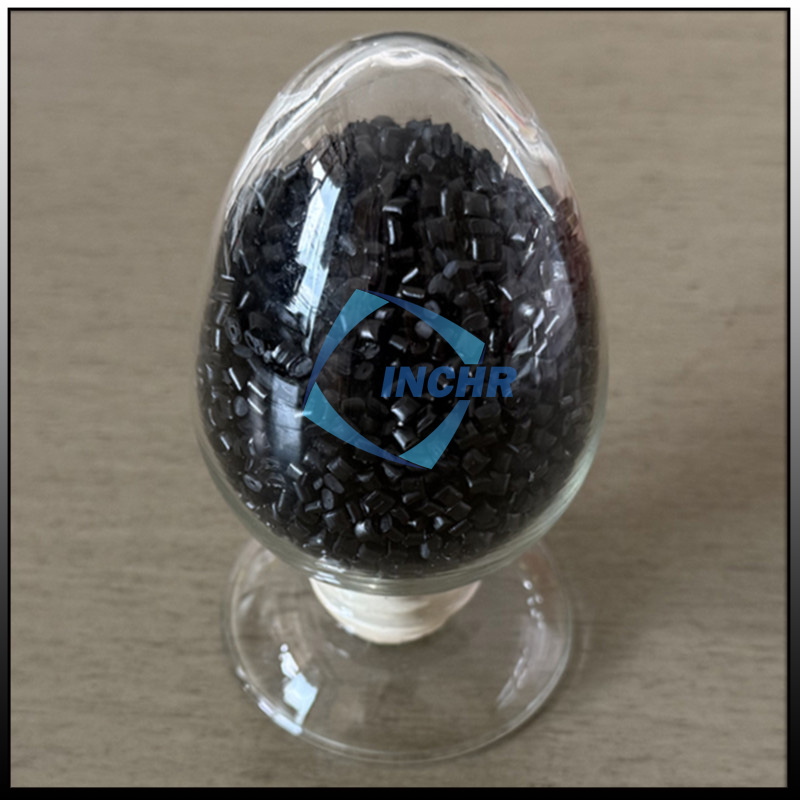
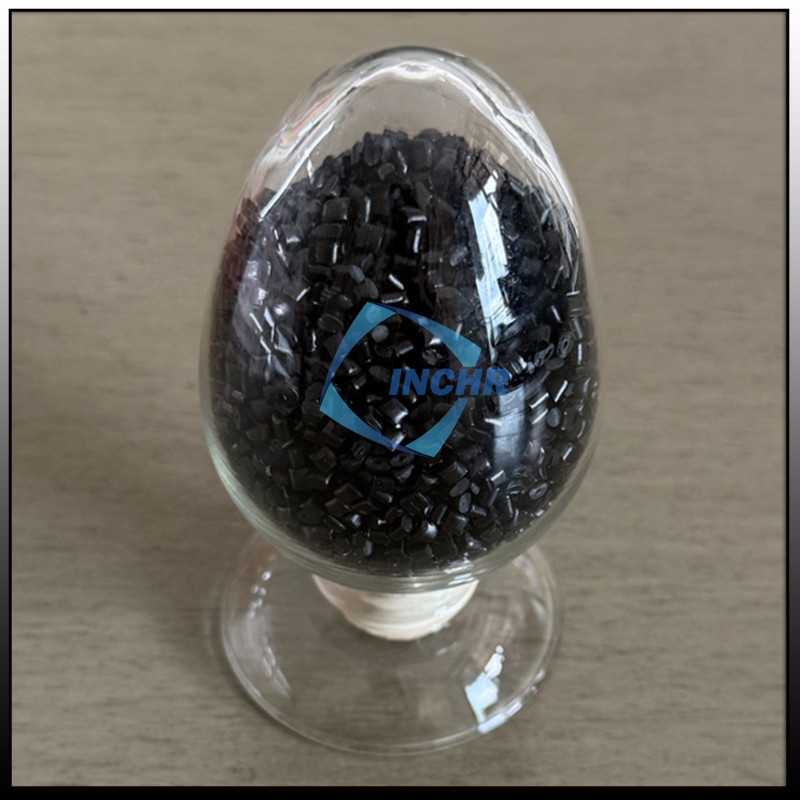
Carbon Fiber Reinforced Plastic (CFRP) is a high-performance composite made of carbon fibers embedded in a polymer matrix, typically epoxy resin. It is known for its exceptional strength-to-weight ratio and rigidity.
Key Features:
- Extremely lightweight
- High tensile strength
- Excellent fatigue resistance
- Superior stiffness
What is Fiberglass?
Fiberglass, also known as Glass Fiber Reinforced Plastic (GFRP), consists of fine glass fibers combined with a resin matrix. It is widely used due to its affordability and versatility.
Key Features:
- Cost-effective
- Good strength and durability
- Corrosion resistance
- Easy to manufacture
Key Differences Between CFRP and Fiberglass
1. Strength and Weight
CFRP is significantly stronger and lighter than fiberglass. This makes it ideal for high-performance industries such as aerospace and automotive.
Fiberglass, while strong, is heavier and less rigid compared to carbon fiber.
2. Cost Comparison
Fiberglass is much more affordable than CFRP, making it suitable for budget-sensitive projects. Carbon fiber, on the other hand, is expensive due to material and processing costs.
3. Durability and Fatigue Resistance
Carbon fiber has superior fatigue resistance and maintains structural integrity over long-term use. Fiberglass performs well but may degrade faster under repeated stress.
4. Flexibility and Impact Resistance
Fiberglass is more flexible and can absorb impacts better without cracking. CFRP is stiffer but more brittle under sudden impact.
5. Applications
CFRP Applications:
- Aerospace components
- Automotive racing parts
- High-end sports equipment
Fiberglass Applications:
- Boat hulls
- Construction panels
- Industrial tanks
Pros and Cons Summary Carbon Fiber Reinforced Plastic
Pros:
- High strength-to-weight ratio
- Premium performance
- Long lifespan
Cons:
- High cost
- Brittle under impact
Fiberglass
Pros:
- Affordable
- Impact resistant
- Easy to fabricate
Cons:
- Heavier
- Lower stiffness
Which is Better?
There is no one-size-fits-all answer. The choice depends on your priorities:
- Choose CFRP if you need maximum strength, lightweight performance, and durability.
- Choose fiberglass if cost-effectiveness and impact resistance are more important.
For high-precision industries, CFRP is often the preferred material despite its cost. For general industrial or construction use, fiberglass remains a practical and economical solution.
Conclusion
Both Carbon Fiber Reinforced Plastic and fiberglass are essential composite materials with distinct advantages. Understanding their differences in strength, cost, and application will help you make the right decision for your project.
Contact us for more information on the use of carbon fiber reinforced plastics.