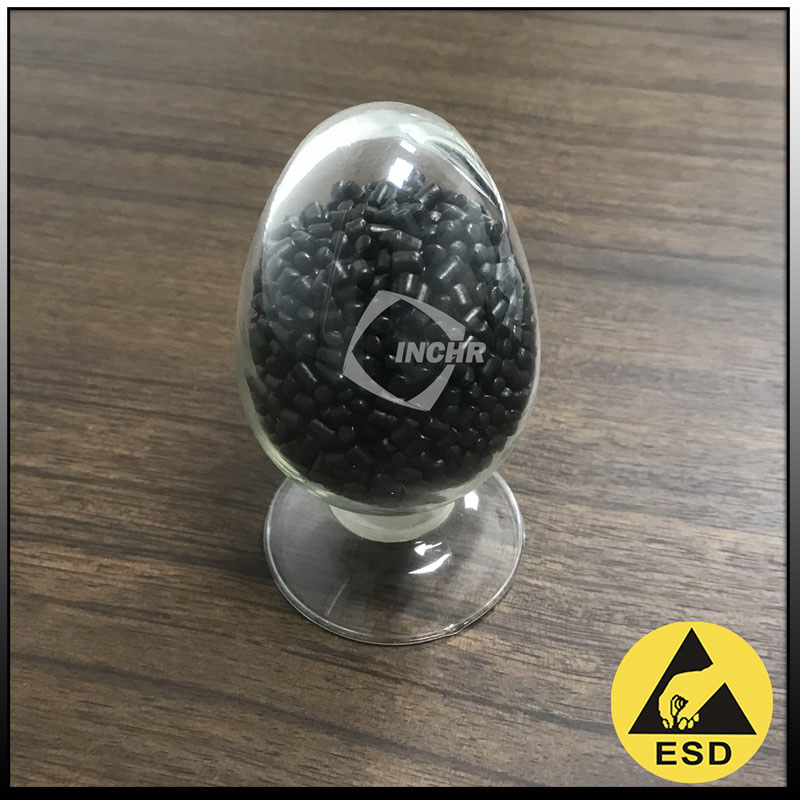
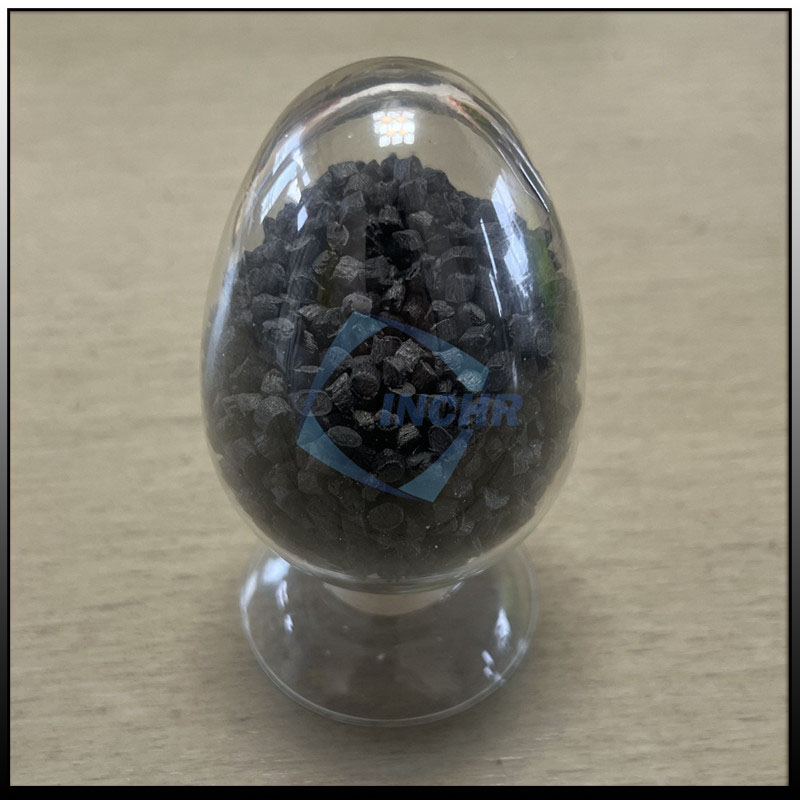
Static electricity is a common challenge in plastic manufacturing, often leading to dust attraction, product damage, and even safety risks in sensitive environments. Antistatic masterbatch provides an effective solution by reducing surface resistivity and preventing electrostatic buildup in plastic products.
What Is Antistatic Masterbatch?
Antistatic masterbatch is a functional additive composed of antistatic agents dispersed in a polymer carrier such as PE, PP, or engineering plastics. It is added during processing to impart long-lasting antistatic properties to finished plastic products.

There are two main types:
- Internal antistatic agents – migrate to the surface over time
- Permanent antistatic agents – provide long-term conductivity
Key Benefits of Antistatic Masterbatch
1. Reduces Static Electricity
It minimizes electrostatic charge accumulation, preventing dust attraction and improving product cleanliness.
2. Enhances Safety
In industries like electronics and packaging, reducing static helps prevent electrostatic discharge (ESD), which can damage sensitive components.
3. Improves Processing Efficiency
Lower static reduces material sticking during manufacturing, improving productivity and reducing waste.
Applications Across Industries
Antistatic masterbatch is widely used in:
- Electronics Industry – ESD-safe trays and components
- Automotive Parts – interior plastic components
- Consumer Goods – household plastic products
How It Works
Antistatic agents reduce surface resistivity by attracting moisture from the air, forming a thin conductive layer that dissipates static charges. Permanent antistatic solutions may use conductive fillers or advanced polymers for stable performance.
Key Selection Factors
When choosing an antistatic masterbatch, consider:
Polymer Compatibility
Ensure the carrier resin matches your base material (PE, PP, ABS, etc.) for optimal dispersion.
Transparency Requirements
Some applications require clear films, so low-haze formulations are essential.
Durability
For long-term use, permanent antistatic masterbatch is recommended.
Compare materials → Antistatic Masterbatch for PE, PP & Engineering Plastics
Antistatic vs Conductive Masterbatch
| Feature | Antistatic Masterbatch | Conductive Masterbatch |
|---|---|---|
| Function | Reduce static buildup | Conduct electricity |
| Surface Resistivity | Moderate | Very low |
| Cost | Lower | Higher |
| Applications | Packaging, consumer | ESD protection |
Why Choose a Reliable Manufacturer?
A professional supplier ensures:
- Consistent dispersion and quality
- Custom formulations for different polymers
- Stable antistatic performance
- Technical support and fast delivery
Conclusion
Antistatic masterbatch is essential for improving the safety, quality, and efficiency of plastic products. Whether used in packaging, electronics, or automotive applications, it helps eliminate static-related issues and enhances overall performance.
Choosing the right formulation and supplier ensures long-lasting results and better product reliability in demanding environments.