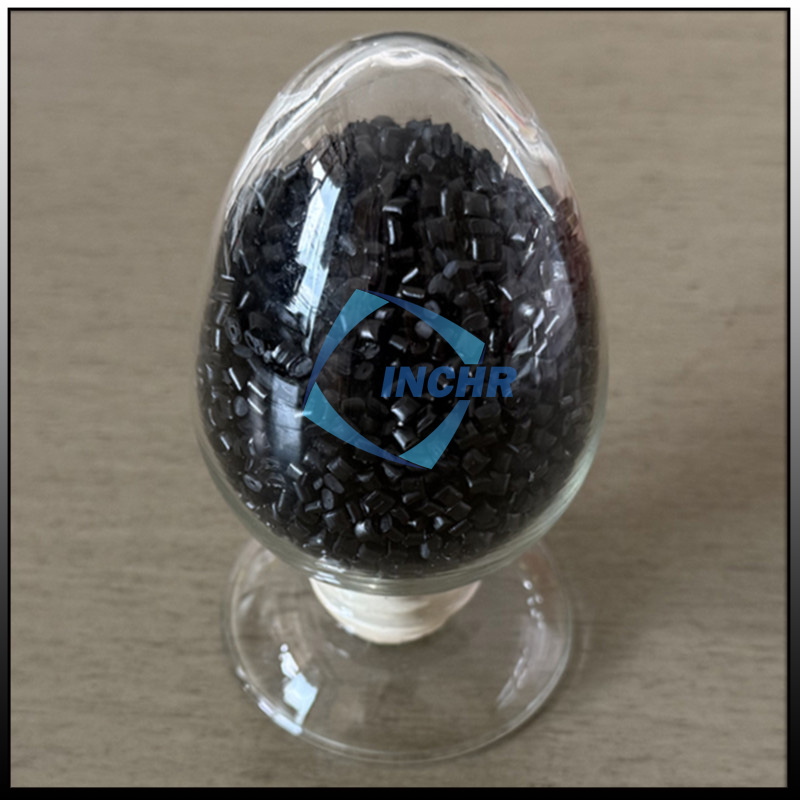
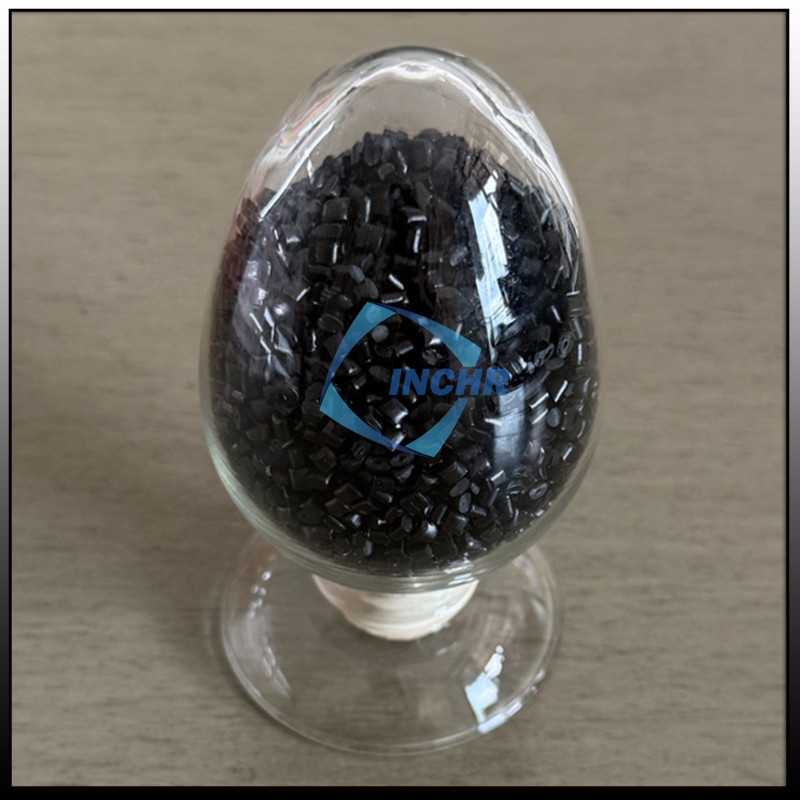
Static electricity is a persistent challenge in the plastics industry, particularly when processing polyethylene (PE) and polypropylene (PP) films. These lightweight, flexible materials are prone to accumulating static charges during manufacturing, handling, and end-use. An antistatic additive masterbatch offers a simple, effective solution to mitigate these issues, ensuring product quality and operational safety. This article explores the role, benefits, and selection criteria of antistatic masterbatches designed specifically for PE and PP films.
What Is an Antistatic Additive Masterbatch?
An antistatic masterbatch is a concentrated mixture of antistatic agents dispersed in a carrier resin, typically compatible with the base polymer (PE or PP). When compounded into the film during extrusion, the additives migrate to the surface over time, forming a microscopic, water-attracting layer. This layer dissipates static charges by increasing surface conductivity, thereby preventing dust attraction, spark discharge, and handling difficulties.
Why PE and PP Films Need Antistatic Protection
PE and PP are inherently insulating materials with high surface resistivity, making them ideal for static buildup. In applications such as:
Electronics packaging: Static discharge can damage sensitive components.
Food packaging: Dust and debris attracted to the film compromise hygiene and aesthetics.
Agricultural films: Static attracts airborne particles, reducing light transmission.
Industrial wrapping: Static causes films to cling to machinery or each other, slowing down production.
Incorporating an antistatic masterbatch addresses these pain points directly.
How Does It Work?
The antistatic agents used are usually ethoxylated amines, glycerol esters, or other non-ionic surfactants. They have a limited compatibility with the polymer matrix, which drives gradual migration to the film surface. Once there, they absorb atmospheric moisture, creating a conductive path that allows static charges to bleed off. This mechanism ensures long-lasting protection without affecting the film’s optical or mechanical properties.
Key Benefits
Reduced dust attraction: Keeps surfaces clean, critical for packaging and medical applications.
Enhanced safety: Prevents electrostatic discharges that could ignite flammable environments.
Improved processability: Reduces film blocking and clinging during converting.
Permanent or temporary effect: Depending on the additive type, protection can last weeks or months.
Compliance: Many grades are FDA-approved for food contact.
Choosing the Right Antistatic Masterbatch
Selecting the optimal masterbatch depends on several factors:
Polymer type: PE (LDPE, LLDPE, HDPE) and PP may require different additive chemistries.
Processing conditions: Temperature and shear affect additive migration.
Film thickness and end use: Thicker films or long-term storage may need higher dosage.
Regulatory requirements: Ensure the masterbatch meets relevant standards (e.g., EU 10/2011 for food contact).
Desired antistatic performance: Specify surface resistivity targets (e.g., 10^9–10^11 Ω/sq).
Consult our technical team for assistance with formulation.
Applications in Focus
Electronics packaging: Antistatic films protect PCBs and components from ESD damage.
Food packaging: Dust-free films maintain product appeal and safety.
Agricultural mulch: Reduced dust accumulation maximizes light transmission for crop growth.
Industrial liners: Prevent static buildup during filling and emptying of powders or granules.
Conclusion
Antistatic additive masterbatches for PE and PP films are indispensable in modern plastic conversion. By integrating these concentrates, manufacturers can deliver higher-quality products, meet stringent industry standards, and improve production efficiency. For more information on our range of antistatic solutions, please explore our product catalog or contact us for personalized guidance.