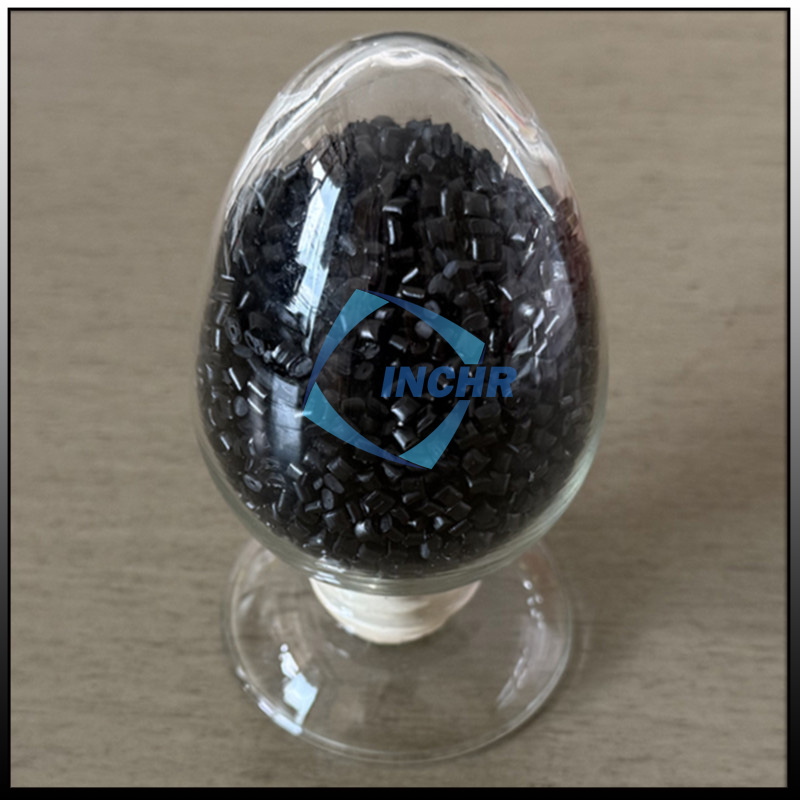
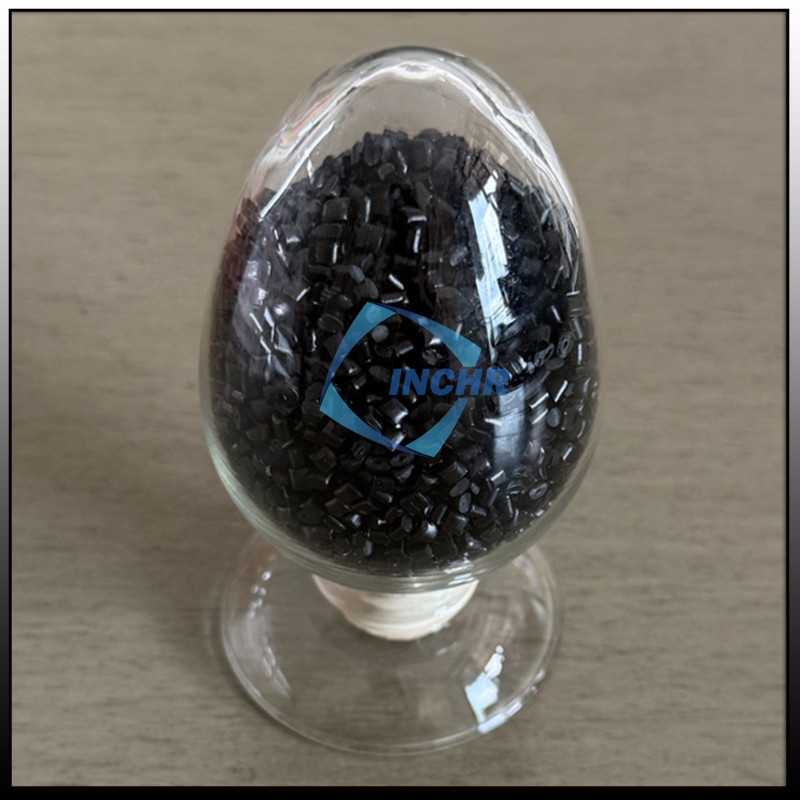
In today’s electronics-driven world, electrostatic discharge (ESD) poses a silent but severe threat to sensitive components. Even a tiny static spark can damage integrated circuits, leading to product failures and costly rework. That’s where high quality ESD material comes into play. From anti-static mats to conductive packaging, these materials form the backbone of any effective ESD control program. In this article, we delve into the types, benefits, and selection criteria of premium ESD materials, ensuring your workspace remains safe and compliant.
What Is ESD Material?
ESD materials are specially engineered substances that either prevent the accumulation of static charge or safely dissipate it to ground. They are categorized based on their surface resistivity:
Conductive materials (resistivity < 1×10⁵ Ω/sq) allow rapid charge transfer. Used in grounding cords and work surfaces.
Dissipative materials (resistivity between 1×10⁵ and 1×10¹¹ Ω/sq) slow down charge dissipation, ideal for flooring and garments.
Anti-static materials (resistivity > 1×10¹¹ Ω/sq) inhibit triboelectric charging, often used in bags and containers.
High quality ESD materials consistently meet these electrical specifications while offering durability and reliability.
Key Characteristics of Premium ESD Materials
When sourcing ESD solutions, look for these attributes:
Consistent surface resistance – Ensures predictable static control over time.
Mechanical strength – Resists tearing, abrasion, and chemicals in industrial environments.
Temperature stability – Maintains performance across operating ranges.
Cleanroom compatibility – Low particle generation and outgassing for sensitive applications.
High-quality materials undergo rigorous testing (e.g., ANSI/ESD S20.20) to certify their performance.
Common Types of ESD Materials
ESD Mats & Flooring – Dissipative or conductive surfaces for workbenches and aisles. They provide a path to ground for personnel and equipment.
ESD Packaging – Bags, foams, and tote boxes shielded with conductive or static-dissipative layers to protect components during transport.
ESD Garments – Smocks and gloves made with embedded conductive fibers to prevent charge buildup on operators.
Each product type serves a specific role in a comprehensive ESD protected area (EPA). For a deeper dive into setting up your EPA, please contact us.
Applications Across Industries
High quality ESD materials are indispensable in:
Electronics manufacturing – Assembly lines for PCBs, semiconductors, and hard drives.
Healthcare – Operating rooms where static can interfere with equipment or ignite flammable gases.
Cleanrooms – Pharmaceutical and biotech labs requiring strict contamination control.
Failing to use proper ESD protection can lead to latent defects that manifest only after products reach customers. Hence, investing in top-tier materials is a cost‑saving measure.
How to Choose the Right ESD Material
Selecting the correct material depends on your specific needs:
Assess the risk level – What is the sensitivity of your components (e.g., HBM, CDM levels)?
Define the environment – Temperature, humidity, and chemical exposure influence material choice.
Check certifications – Look for compliance with international standards like IEC 61340‑5‑1.
Consider longevity – High‑quality materials often feature warranties and longer service life.
Conclusion
High quality ESD materials are not an expense but an investment in product reliability and manufacturing efficiency. By integrating anti-static, conductive, and dissipative solutions into your workflow, you protect components, reduce downtime, and meet industry regulations. Whether you need mats, packaging, or custom-engineered parts, prioritize materials that deliver consistent performance. For more information on specific products, explore our ESD Material Product Range.