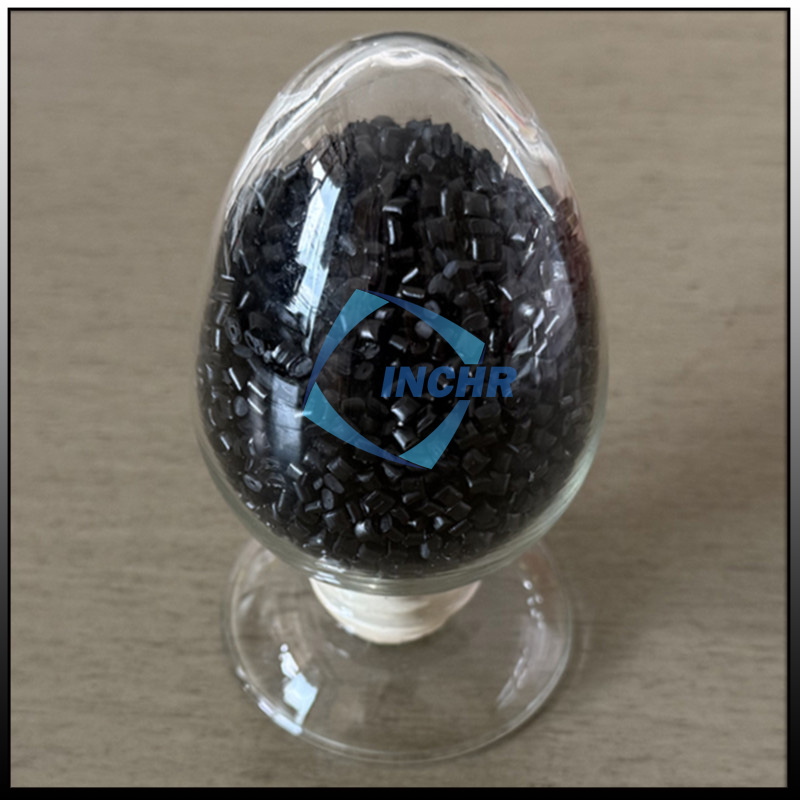
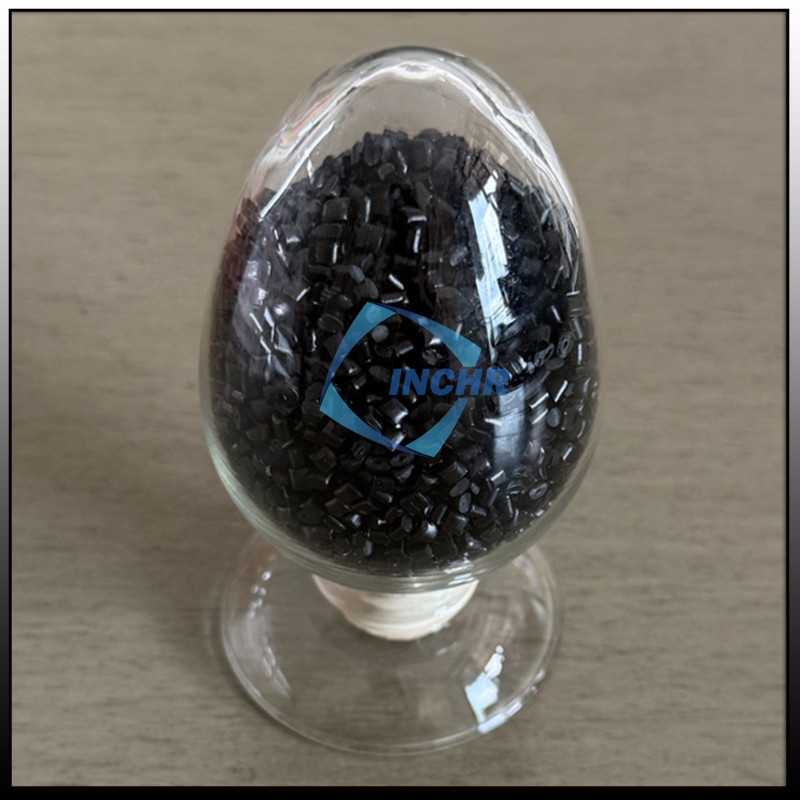
Static electricity is a common but often overlooked challenge in the world of plastics. From manufacturing floors to everyday products, static buildup can cause a range of problems, including dust attraction, product damage, and even safety hazards. This is where antistatic masterbatch comes into play. But what exactly is it, and why is it so critical for plastic applications?
Understanding Antistatic Masterbatch
An antistatic masterbatch is a concentrated mixture of antistatic agents dispersed into a carrier resin. It is designed to be added during the plastic manufacturing process, such as injection molding or extrusion, to impart permanent or temporary antistatic properties to the final product.
Think of it as a specialized additive that makes the plastic material slightly conductive, allowing static charges to dissipate safely rather than building up on the surface.
How Does It Work?
Antistatic agents in the masterbatch are typically hydrophilic (water-attracting). They migrate to the surface of the plastic and form an invisible, microscopic layer that absorbs moisture from the air. This moisture layer provides a pathway for electrical charges to flow away, effectively preventing the accumulation of static electricity.
The Critical Importance for Plastics
Integrating an antistatic masterbatch is not just a minor improvement; it’s a vital enhancement for many applications. Here’s why it matters:
1. Safety First
In environments where flammable gases, vapors, or dust are present, a single static spark can trigger a fire or explosion. This is a critical concern in industries like chemical processing, mining, and electronics manufacturing. Antistatic plastics are essential for components like conveyor belts, storage bins, and electronic housings to mitigate this risk.
2. Product Protection
Electrostatic discharge (ESD) can severely damage sensitive electronic components. From microchips to circuit boards, using antistatic packaging trays, foams, and containers is non-negotiable in the electronics industry to prevent costly losses during production, storage, and shipping.
3. Cleanliness and Hygiene
Static charges turn plastic surfaces into dust magnets. This is a major issue for products where cleanliness is paramount, such as medical device packaging, food containers, and furniture for cleanrooms. By preventing dust attraction, antistatic masterbatch helps maintain sterility and a pristine appearance.
4. Production Efficiency
In high-speed manufacturing, static cling can cause plastic films to stick together or sheets to jam in printing and packaging machinery. This leads to downtime, wasted materials, and reduced efficiency. Antistatic additives ensure smooth operation on the production line.
Common Applications in Industry
The use of antistatic masterbatch is widespread across numerous sectors:
• Electronics: IC trays, ESD bags, and workstation accessories.
• Packaging: Films for packaging sensitive items, bags for electronic components.
• Material Handling: Pallets, totes, and conveyor components.
• Automotive: Fuel system components and interior parts to prevent dust accumulation.
• Consumer Goods: Vacuum cleaner housings, furniture, and children’s toys.
Conclusion
In our increasingly technological and automated world, the demand for smarter, safer plastics is growing. Antistatic masterbatch provides a cost-effective, efficient, and reliable solution to the pervasive problem of static electricity. By enhancing safety, protecting sensitive products, and improving manufacturing processes, this powerful additive proves that sometimes the most crucial innovations are the ones you can’t even see.
For more detailed technical data on polymer additives, you can refer to resources from The Society of Plastics Engineers.