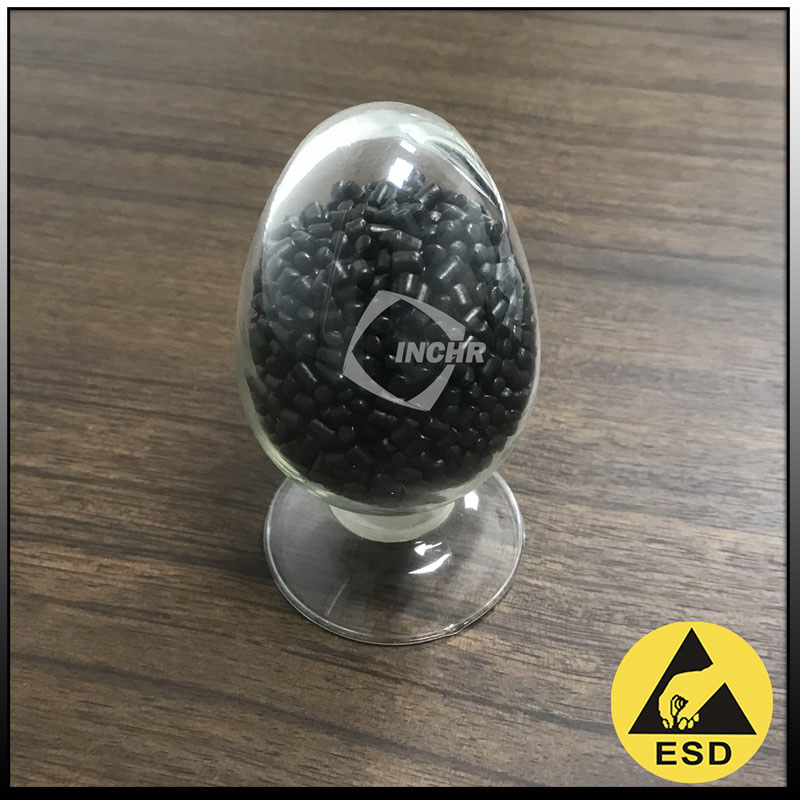
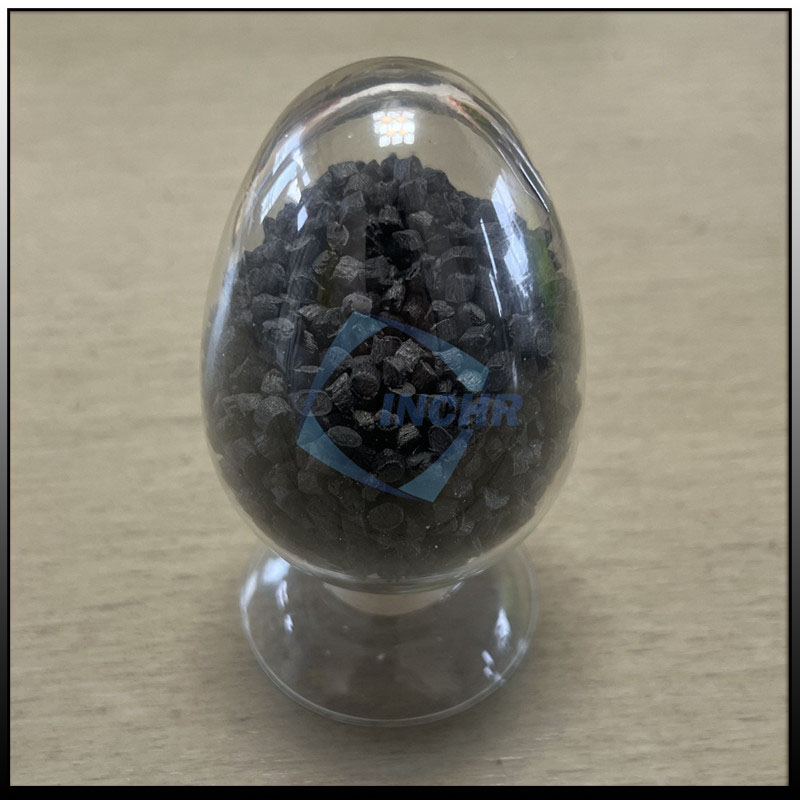
Plastics are everywhere—from electronic casings to food packaging—but their tendency to build static electricity poses hidden risks. Static can damage sensitive electronics, attract dust, or even trigger fires in explosive environments. This is where antistatic masterbatch steps in: a concentrated additive that transforms ordinary plastics into static-resistant materials, solving a common yet costly problem for manufacturers worldwide.
What Is Antistatic Masterbatch?
At its core, antistatic masterbatch is a blend of three key components, designed to be mixed directly with plastic resins during processing.
- Conductive Fillers: The active ingredient, usually carbon black, metal powders, or conductive polymers, creates a path for static to dissipate.
- Carrier Resin: Matches the base plastic (e.g., PE, PP, ABS) to ensure seamless mixing and no impact on product texture.
- Additives: Stabilizers or dispersants that boost performance and prevent filler clumping.
Unlike temporary antistatic sprays, this masterbatch delivers long-lasting protection—the static-resistant properties become part of the plastic itself, not just a surface coating.
Key Applications Across Industries
Antistatic masterbatch is non-negotiable in sectors where static control is critical. Here are its most impactful uses:
- Electronics Industry: Used in IC chip trays, cable insulation, and smartphone cases to shield delicate components from static discharge (ESD), which can ruin circuits.
- Packaging Sector: Keeps food packaging (e.g., snack bags) dust-free and prevents static from damaging pharmaceutical blister packs.
- Medical Field: Creates static-free plastic parts for surgical tools and lab equipment, where dust or ESD could compromise sterility or test accuracy.
How to Choose the Right Antistatic Masterbatch
Not all masterbatches are the same—manufacturers must prioritize three factors:
- Compatibility: Ensure the carrier resin matches the base plastic (e.g., use PP-based masterbatch for PP products) to avoid processing issues.
- Conductivity Level: Select based on required surface resistance (e.g., 10⁶–10⁹ Ω for electronics vs. 10⁹–10¹² Ω for packaging).
- Regulatory Compliance: Opt for products meeting global standards like RoHS (for electronics) or FDA (for food/medical use) to avoid market barriers.
For deeper guidance on material compatibility, refer to industry resources like the Society of the Plastics Industry (SPI) guidelines or our internal guide on plastic additive selection.
Why Antistatic Masterbatch Beats Alternatives
Compared to other static-control methods, it offers clear advantages:
- Cost-Effective: Eliminates the need for separate antistatic sprays or coatings, reducing labor and material costs.
- Easy to Use: Integrates directly into existing extrusion or injection molding processes—no equipment upgrades needed.
- Consistent Performance: Avoids uneven coating issues common with sprays, ensuring every part of the product is static-resistant.
As electronics miniaturize and packaging demands grow, the need for reliable static control will only increase. Antistatic masterbatch isn’t just an additive—it’s a foundational solution that keeps industries running safely and efficiently.