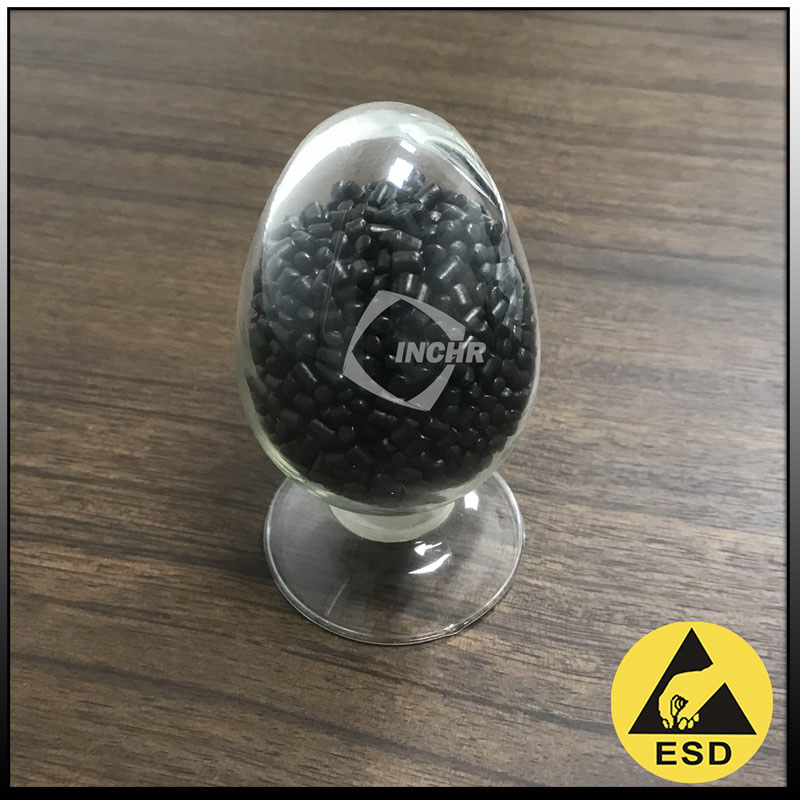
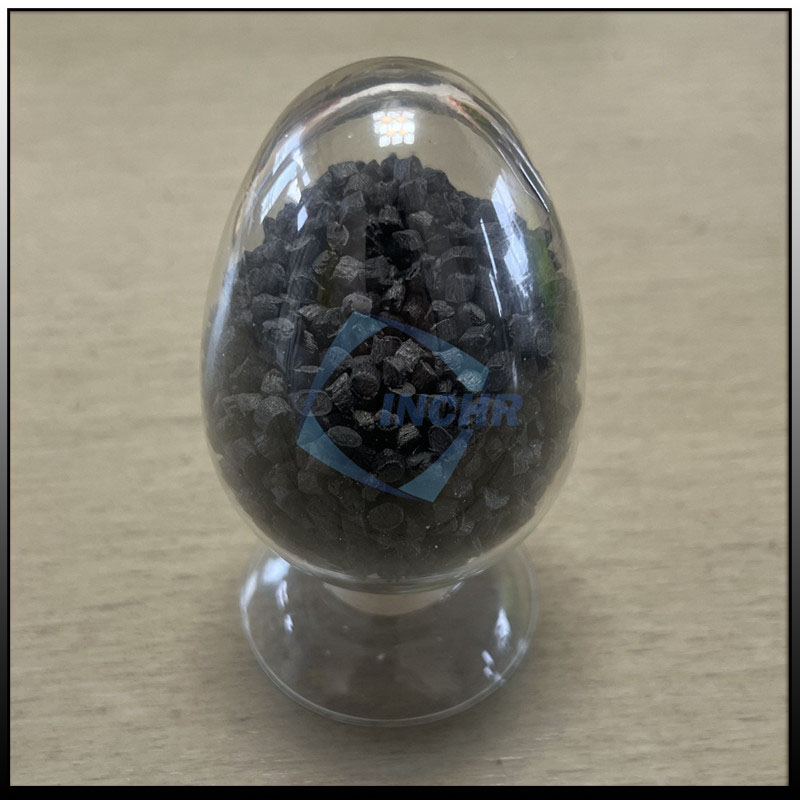
Electrostatic discharge (ESD) plastic is a specialized material designed to prevent static electricity from damaging sensitive electronic components. As technology advances, the need for ESD-safe environments in manufacturing and handling has become critical. This article delves into the basics, types, applications, and advantages of ESD plastic, providing insights for industries reliant on electronics.
What is ESD Plastic?
ESD plastic refers to polymers engineered to control static electricity, either by dissipating or conducting electrical charges. Unlike standard plastics, which can accumulate static, ESD variants protect devices like microchips and circuit boards from ESD events that cause failures. These materials are categorized into conductive, dissipative, and anti-static types, each with specific resistance properties. For instance, conductive ESD plastics have low resistance and quickly ground charges, while dissipative types slow discharge to prevent damage.
Types and Common Materials
Common ESD plastics include polyethylene (PE), polycarbonate (PC), and acrylonitrile butadiene styrene (ABS), often blended with carbon or metal additives to enhance conductivity. For example, carbon-filled polymers are popular in packaging trays, shielding components during shipping. To learn more about material selection, refer to our internal guide on choosing ESD-safe materials. Externally, resources like the ESD Association offer detailed standards on these classifications.
Applications in Modern Industries
ESD plastics are vital in electronics manufacturing, healthcare, and aerospace. They are used in storage bins, workbench mats, and handling tools to maintain ESD-protected areas (EPAs). In medical devices, they ensure the reliability of equipment like pacemakers. Additionally, the automotive industry relies on ESD plastics for assembling sensors and control units. As technology evolves, their role in Internet of Things (IoT) devices is expanding, highlighting their versatility.

Benefits of Using ESD Plastic
The primary advantage is cost-efficiency; by preventing ESD damage, companies reduce waste and improve product longevity. ESD plastics also enhance safety in cleanrooms and comply with international standards like ANSI/ESD S20.20. Their durability and lightweight nature make them ideal for reusable packaging, supporting sustainability efforts. For further insights, explore our article on ESD protection best practices.
Conclusion
In summary, ESD plastic is indispensable for modern electronics, offering protection, reliability, and compliance. As industries advance, its adoption will grow, driven by the need for static-safe environments. By understanding its types and applications, businesses can optimize their processes and minimize risks. For more information, consult authoritative sources like the ESD Association.