In the competitive world of consumer goods, first impressions are everything. Imagine a product sitting on a shelf, covered in a fine layer of dust and lint because its plastic packaging acts like a magnet for contamination. This is not just an aesthetic issue; it can severely damage brand perception and lead to product returns. Furthermore, in industrial settings, static electricity on packaging can pose a genuine safety hazard. This is where antistatic masterbatch proves to be an invaluable additive, offering a built-in solution to prevent dust and improve safety directly in the packaging material.
The Root of the Problem: Why Plastic Packaging Generates Static
During manufacturing processes like blown film extrusion, injection molding, or high-speed filling and conveying, plastic surfaces undergo significant friction and contact. This contact and separation cause an imbalance of electrons, leading to a buildup of static electricity. Standard plastics like Polypropylene (PP) and Polyethylene (PE) are excellent insulators, meaning this charge cannot easily dissipate. The resulting static charge will actively attract and hold oppositely charged particles, primarily dust, fibers, and other airborne contaminants.
How Antistatic Masterbatch Provides the Solution
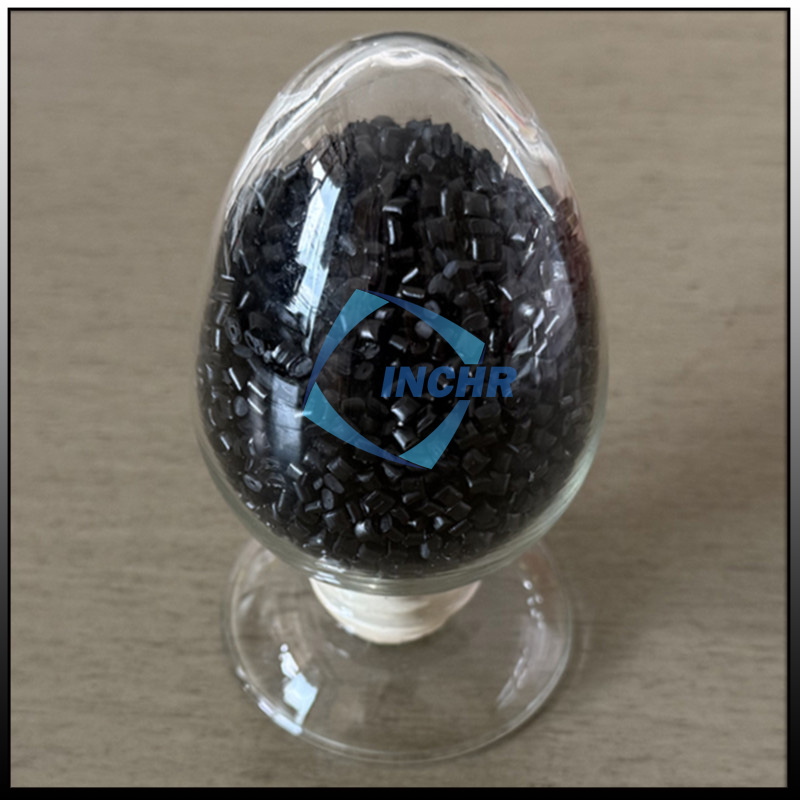
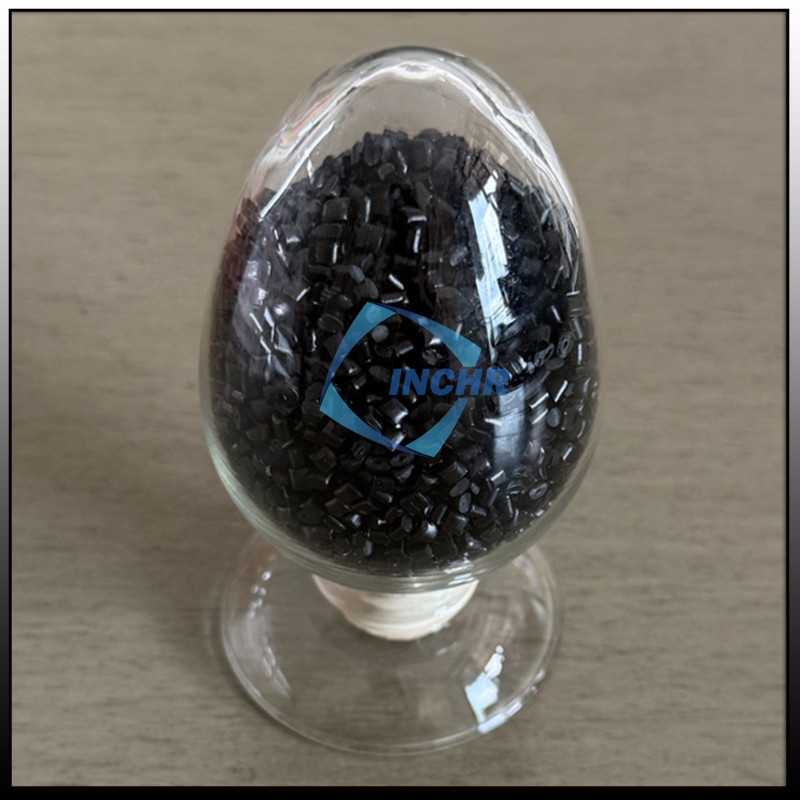
An antistatic masterbatch is a concentrated blend of specialized active agents dispersed in a polymer carrier. When this masterbatch is mixed with the base plastic resin during production, the antistatic agents migrate to the surface of the final packaging product over time.
Once at the surface, these agents work by absorbing minimal moisture from the surrounding air. This forms an invisible, conductive layer that allows static charges to flow across the surface and dissipate safely instead of building up. This mechanism provides a permanent and internal solution, unlike topical sprays which are temporary, can wear off, and may cause contamination.
Key Application: Preventing Dust Contamination
The ability to prevent dust attraction is critical across numerous packaging segments:
Food and Beverage Packaging: Static is a major concern for bottles, containers, and shrink films. Dust contamination is unhygienic and can lead to customer complaints. Using an FDA-compliant antistatic masterbatch ensures that packaging remains pristine from the production line to the supermarket shelf, protecting both the product and the brand’s reputation.
Consumer Goods and Electronics: The packaging for high-value items like smartphones, cosmetics, and luxury goods must arrive in flawless condition. Antistatic packaging prevents unsightly dust, ensuring the product makes a perfect first impression upon unboxing.
High-Speed Packaging Lines: Static cling can cause thin plastic films to stick together or to machinery parts, leading to misfeeds, jams, and costly production downtime. Integrating antistatic masterbatch ensures smoother operation and higher efficiency.
Key Application: Improving Operational Safety
Beyond cleanliness, antistatic packaging is a crucial component of workplace safety in specific industries.
Packaging for Flammable Substances: Powders, solvents, and certain chemicals can create explosive atmospheres. A single static spark from a plastic bag, drum, or Intermediate Bulk Container (IBC) liner could trigger a fire or explosion. Antistatic masterbatch creates packaging that safely dissipates charges, significantly mitigating this risk.
Minimizing Shock Hazards: While not typically dangerous to personnel, unexpected static shocks during handling can be unpleasant and may lead to accidental drops of valuable products.
Conclusion
Integrating antistatic masterbatch into packaging is a simple yet highly effective strategy for any brand or manufacturer looking to elevate product quality and ensure operational safety. It moves beyond being a mere additive to becoming a critical component of brand protection and risk management. By preventing dust contamination and eliminating the risk of static sparks, it safeguards your product’s image, your production efficiency, and, most importantly, your workforce and facilities.