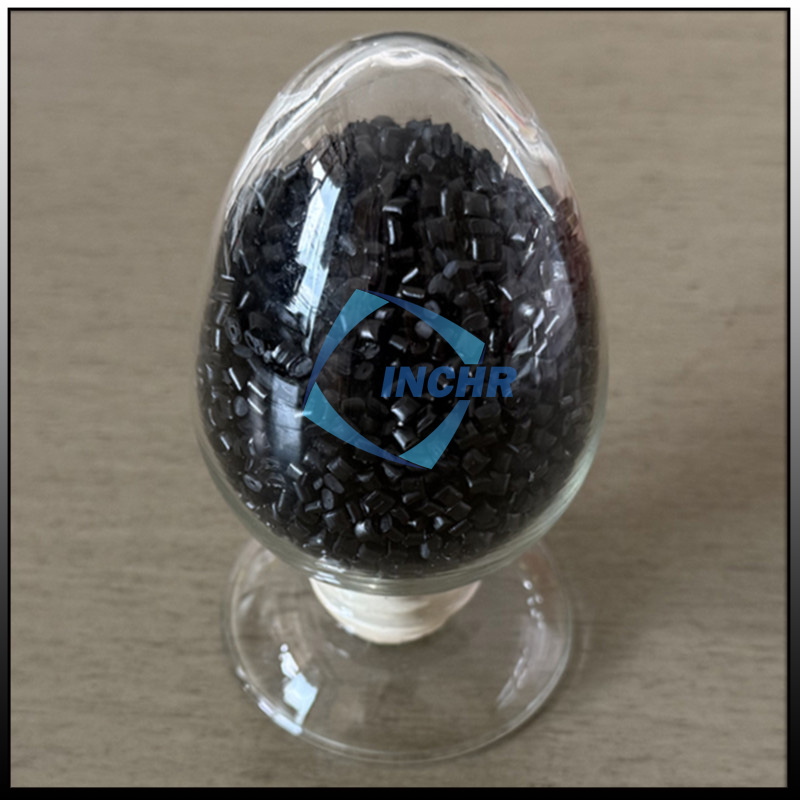
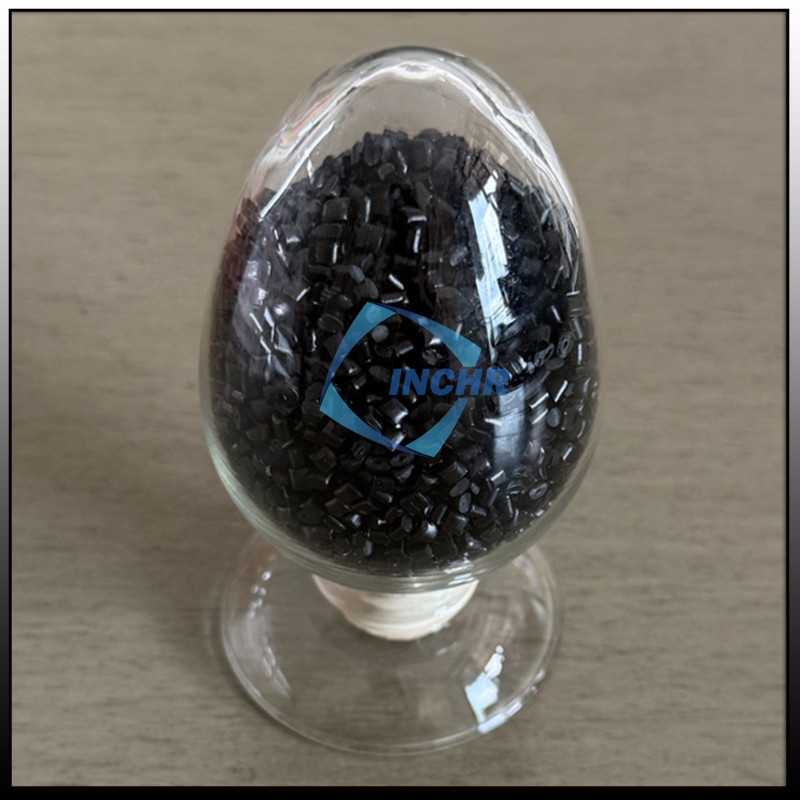
In the high-stakes worlds of consumer packaging and advanced electronics, even an invisible threat like static electricity can cause major problems. From attracting dust to destroying sensitive circuits, static charges compromise product quality, safety, and reliability. Antistatic masterbatch has emerged as a critical additive for plastic manufacturers, providing a built-in, permanent solution to these challenges. This article delves into its indispensable applications across the packaging and electronics industries.
Understanding the Mechanism: How It Works
An antistatic masterbatch is a concentrated blend of specialized antistatic agents dispersed within a polymer carrier. During the plastics manufacturing process—such as injection molding, blow molding, or film extrusion—this masterbatch is mixed with the base polymer (like PP, PE, or ABS). The active agents subsequently migrate to the surface of the plastic product over time. There, they attract ambient moisture from the air, forming a microscopic, conductive layer that dissipates static charges safely, preventing them from building up.
This internal modification of the plastic offers a significant advantage over external sprays, which can wear off, contaminate products, or require reapplication.
Critical Applications in the Packaging Industry
The packaging sector relies heavily on plastics for their versatility and cost-effectiveness. However, static-related issues are a constant concern, which antistatic masterbatch effectively resolves.
Protecting Food and Consumer Goods: Static attraction turns plastic packaging into a magnet for dust, lint, and other contaminants. This is unacceptable for food containers, bottles, and shrink films. By integrating antistatic masterbatch, manufacturers ensure their packaging remains clean and visually appealing from the production line to the store shelf, safeguarding both product integrity and brand reputation.
Ensuring High-Speed Processing Efficiency: In modern packaging lines, machinery operates at incredible speeds. Static cling can cause thin plastic films to stick together or to machine parts, leading to jams, misalignments, and costly production downtime. Antistatic additives facilitate smoother film handling, reducing tears and ensuring uninterrupted, efficient operation.
Enhancing Safety for Hazardous Contents: For packaging that contains flammable powders or solvents, a static spark poses a severe explosion risk. Antistatic masterbatch is crucial for creating intermediate bulk containers (IBCs), drums, and liners that safely dissipate charges, mitigating this danger and ensuring workplace safety.
Indispensable Roles in the Electronics Industry
In electronics, the threat is not just dust but catastrophic damage from Electrostatic Discharge (ESD). While standard antistatic properties prevent dust attraction, ESD-safe compounds (a specific category often achieved using conductive masterbatch) are required for full protection.
ESD-Protective Packaging and Handling: Sensitive components like microchips, printed circuit boards (PCBs), and hard drives are highly vulnerable to ESD. Antistatic and conductive masterbatches are used to manufacture IC trays, tubes, and shipping reels, which provide a Faraday cage effect. These materials safely shield components from both internal and external ESD events during storage, transport, and handling.
Production Line Workspaces: The entire electronics assembly environment must be ESD-safe. Antistatic masterbatch is used to produce workstation mats, shelving, tool housings, and floor tiles. These components prevent charge buildup on surfaces and personnel, creating a protected area where sensitive electronics can be handled safely.
Durable Consumer and Industrial Housings: The outer casings of electronic devices, from power tools to medical equipment, can also benefit. An antistatic housing prevents dust accumulation on vents and internal components, reducing the risk of overheating and ensuring long-term reliability.
Conclusion
From ensuring the pristine appearance of a water bottle to protecting the intricate circuitry of a smartphone, antistatic masterbatch is a foundational enabler of quality and innovation. Its ability to be seamlessly integrated into plastic manufacturing makes it a cost-effective and reliable solution. By understanding its specific applications in packaging and electronics, manufacturers can make informed decisions that enhance product performance, safety, and customer satisfaction.