In the intricate world of electronics, an invisible threat looms: electrostatic discharge (ESD). This sudden flow of electricity between two charged objects can instantly damage sensitive components, leading to costly failures. This is where ESD materials come into play, serving as the unsung heroes in the protection and longevity of electronic devices.
Understanding ESD and Its Dangers
Electrostatic discharge is a common phenomenon. It’s the shock you feel when touching a doorknob after walking on a carpet. While harmless to humans, a similar spark can vaporize the microscopic pathways inside a silicon chip. The damage can be immediate or latent, causing a device to fail prematurely. As electronic components become smaller and more powerful, their susceptibility to ESD increases, making protection not just an option but a necessity.
How ESD Materials Work
ESD materials are engineered to control the buildup and dissipation of static electricity. They are categorized based on their electrical resistance:
Conductive Materials: These have very low resistance (less than 1 x 10^5 ohms/sq), allowing charges to flow easily and ground a static charge rapidly. They are used for items like shielding bags and work surface mats.
Dissipative Materials: With a higher resistance (1 x 10^5 to 1 x 10^11 ohms/sq), these materials slow the flow of charge, allowing for a controlled and safe discharge. They are ideal for workstation surfaces and handling trays.
Common Types of ESD Materials
A variety of materials are used to create a comprehensive ESD-safe environment:
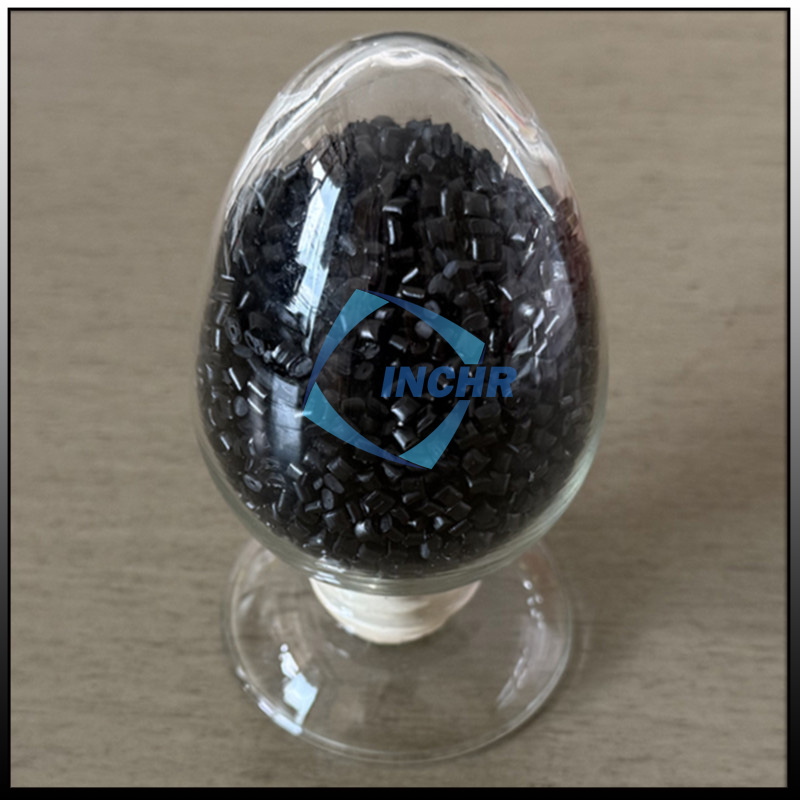
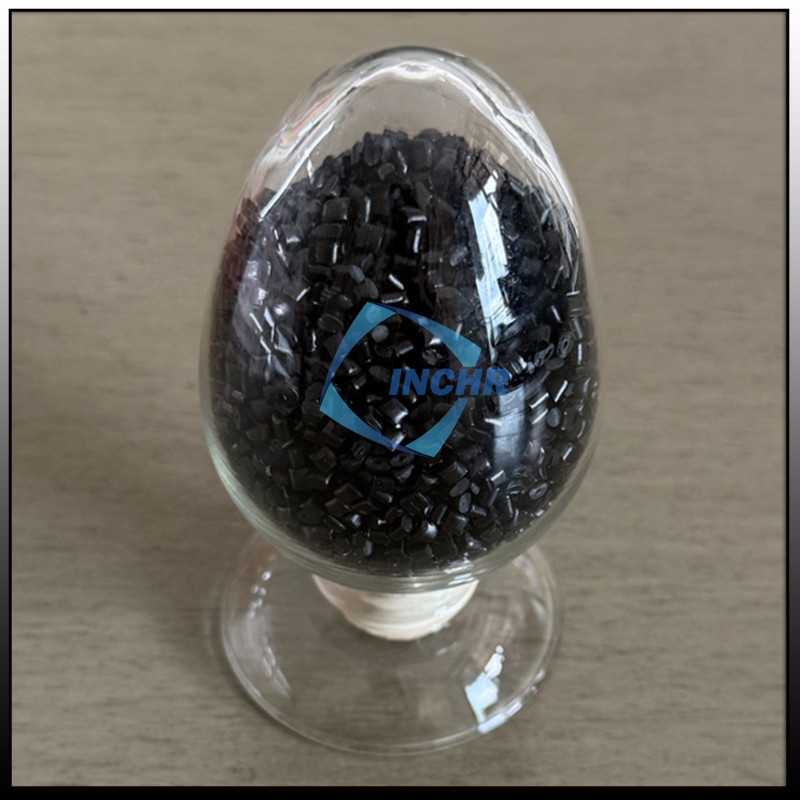
Polyethylene (PE) and Polypropylene (PP): Often used for bags and containers, these plastics can be modified to be conductive or dissipative with carbon or metal fiber loading.
Polycarbonate (PC): Used for durable items like storage bins and handheld tools, offering good clarity and impact resistance.
ESD Laminate and Vinyl: These are used for flooring in manufacturing and assembly areas to prevent static buildup from personnel.

Applications Across Industries
The use of ESD materials is critical wherever electronics are designed, manufactured, or handled. From the cleanrooms of semiconductor fabrication to the assembly lines of automotive and aerospace industries, these materials form the first line of defense. They are found in:
Packaging and shipping materials
Workbenches and flooring
Smocks and wrist straps worn by technicians
Storage cabinets and transport carts
Choosing the Right ESD Material
Selecting the appropriate material depends on the application. For permanently grounding a item, a conductive material is best. For surfaces where components are placed, a dissipative material provides a safer, controlled discharge path. Compliance with international standards, such as the ANSI/ESD S20.20, is crucial for ensuring a truly effective ESD control program.
Conclusion
In our increasingly digital world, the reliability of our devices hinges on the unseen protection offered by ESD materials. By safely mitigating the risks of electrostatic discharge, these specialized materials ensure that the technology driving our modern lives operates as intended, free from the silent threat of a sudden spark. Investing in a robust ESD control strategy is fundamental to quality and innovation in electronics manufacturing.