In the intricate world of modern electronics manufacturing, where components are increasingly miniaturized and sensitive, an invisible threat looms large: electrostatic discharge (ESD). A single, tiny spark, imperceptible to a human, can instantly destroy a delicate microchip or degrade its performance. This is where ESD plastic materials emerge as the unsung heroes, providing a critical layer of protection throughout the production and handling process.
What are ESD Plastic Materials?
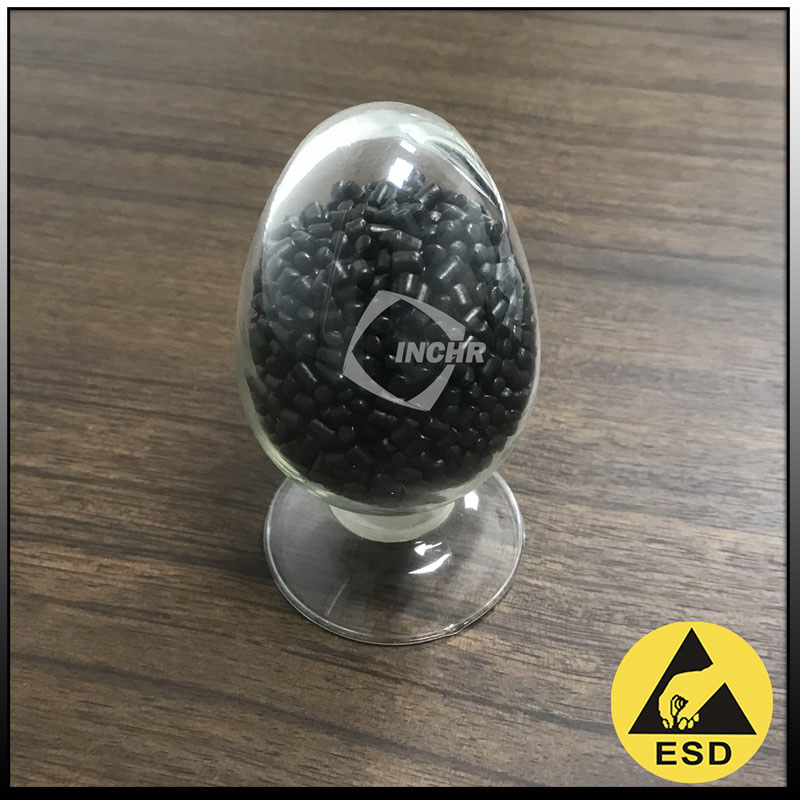
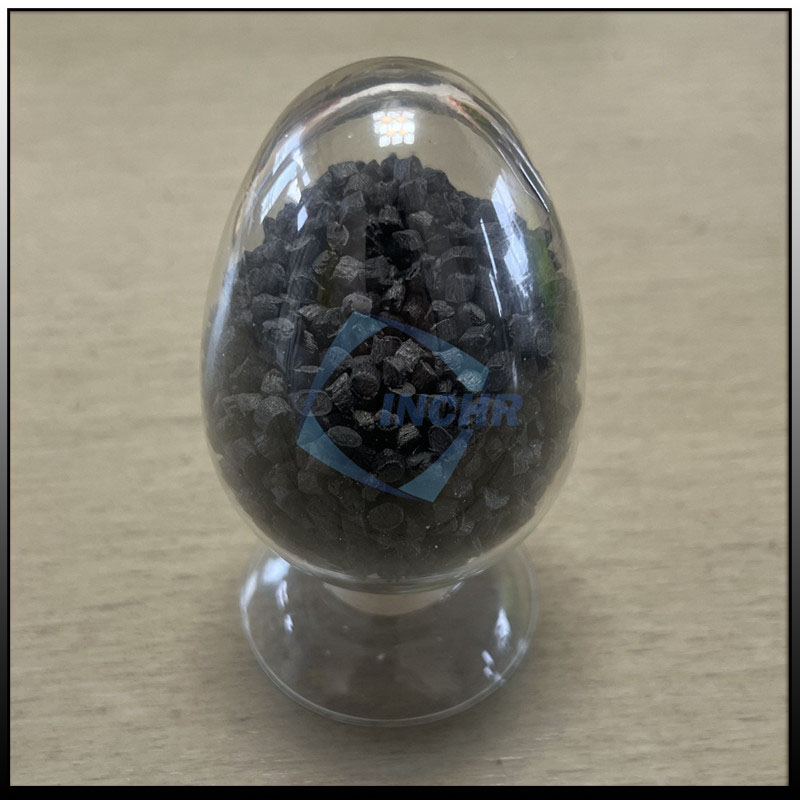
ESD plastics are specialized polymer compounds engineered to control static electricity. Unlike standard insulative plastics, which trap charge and can lead to sudden discharges, ESD-safe materials are designed to either dissipate static charges safely to the ground or shield components from external electrostatic fields. This is achieved by incorporating conductive fillers—such as carbon fibers, carbon powder, or metallic particles—into the base polymer matrix during production.
How Do They Work? The Science of Static Control
The primary function of ESD plastics is to prevent the buildup of triboelectric charge and to facilitate its controlled dissipation. They are categorized based on their electrical resistance:
Conductive Plastics: These have very low electrical resistance (typically below 10^4 ohms/sq). They allow charges to flow through them quickly and efficiently, directing them to a grounded surface. This is ideal for safely draining a charge away from a sensitive component.
Dissipative Plastics: With a higher resistance range (generally between 10^4 and 10^11 ohms/sq), these materials slow the flow of electricity. This controlled, slower dissipation is crucial for protecting components that could be damaged by a rapid discharge of energy.

Common Types and Their Applications
Virtually any common plastic can be formulated to be ESD-safe. Key types include:
ESD Polyethylene (PE) and Polypropylene (PP): Often used for bins, trays, and tote boxes for storing and transporting components.
ESD PVC: Commonly used for matting, floor tiles, and workstation surfaces.
ESD ABS: Favored for its strength and rigidity, it’s used in handheld tools, soldering iron housings, and fixtures.
Static-Dissipative Polycarbonate (PC): Used where transparency and impact resistance are needed, such as in safety shields and machine guards.
These materials form the backbone of the ESD-Protected Area (EPA) in electronics factories. From assembly workstations and shelving to specialized packaging and tools, every element is designed to create a safe environment.
Why Are They Crucial?
The benefits of implementing ESD plastic materials are substantial:
Protecting Sensitive Components: They prevent catastrophic and latent failures in integrated circuits (ICs), printed circuit boards (PCBs), and other electronic parts.
Ensuring Product Quality and Reliability: By mitigating ESD damage, manufacturers reduce costly rework, scrap, and field failures.
Enhancing Workplace Safety: In environments with flammable gases or solvents, a static spark can be catastrophic. ESD materials help prevent such ignition risks.
Operational Efficiency: A standardized ESD control program using durable plastic equipment streamlines workflows and reduces downtime.
Conclusion
In the silent, precise dance of electronics manufacturing, ESD plastic materials are indispensable partners. They provide the foundational static control necessary to produce the reliable, high-performance devices that power our modern world. By understanding their properties and applications, manufacturers can make informed decisions to safeguard their products, their reputation, and their bottom line.