In the invisible realm of modern electronics, a silent war is waged not with sound, but with sparks. The enemy? Electrostatic Discharge (ESD), a sudden flow of electricity that can instantly destroy sensitive electronic components. The frontline defense in this battle is a class of advanced polymers known as ESD plastic materials.
What are ESD Plastics?
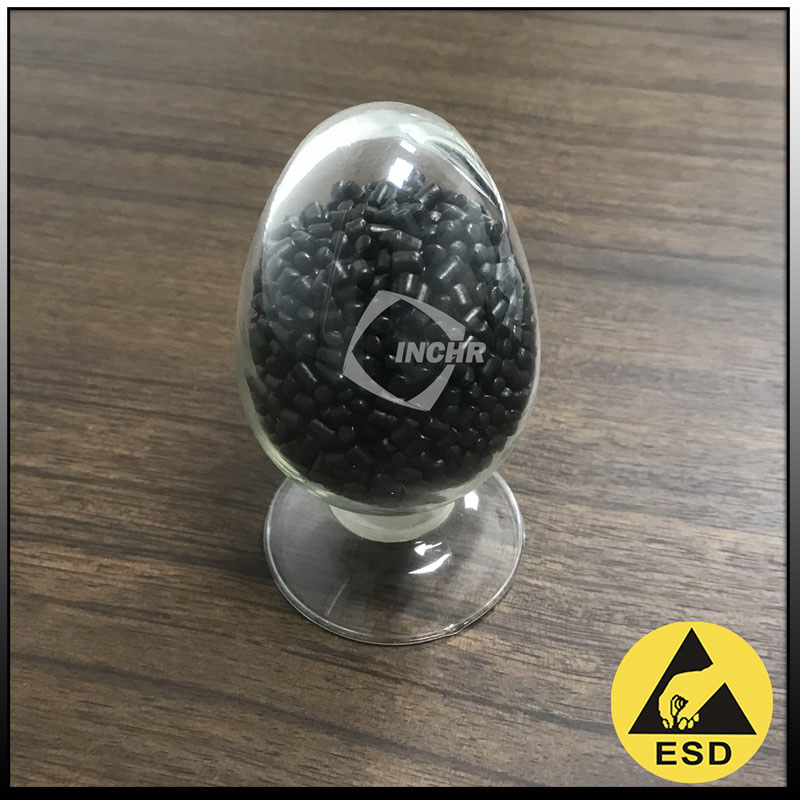
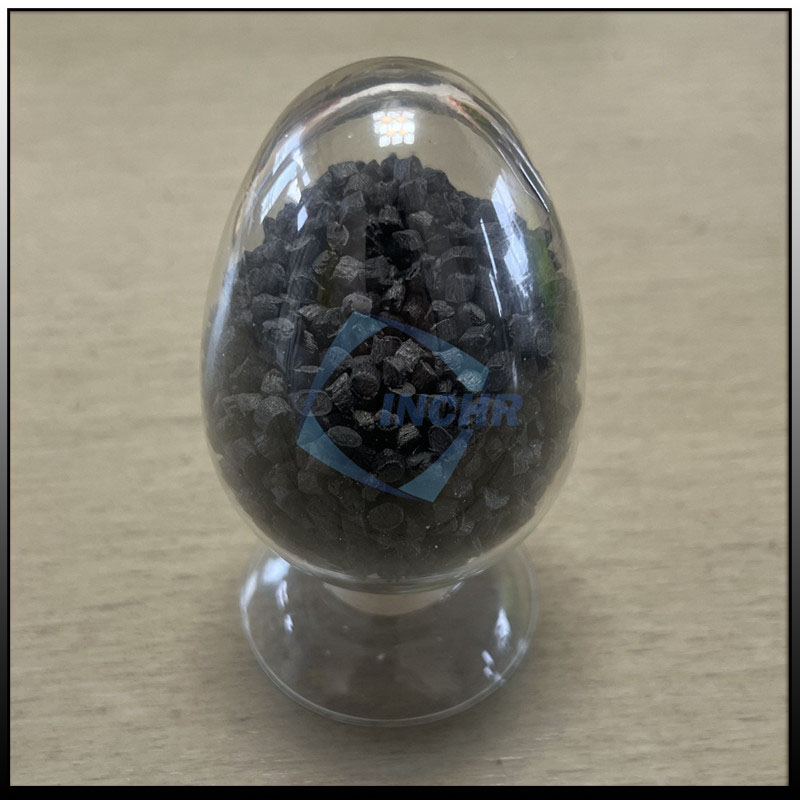
Unlike standard insulating plastics that can accumulate dangerous static charges, ESD plastics are specially engineered to control static electricity. They are formulated to either safely dissipate electrostatic charges to the ground or to shield components from ESD events altogether. This is achieved by incorporating conductive or dissipative fillers—such as carbon fibers, carbon powder, or metallic particles—into the base polymer matrix.
This unique property makes them fundamentally different. While a regular plastic bin might hold electronic parts, an ESD-safe plastic bin ensures that no static build-up occurs during handling, preventing catastrophic failures.

Types, Properties, and Critical Applications
ESD materials are categorized based on their electrical resistance:
Conductive Plastics: These have very low electrical resistance (typically < 10^5 ohms/sq) and are designed to ground charges quickly. They are often used for ESD shielding bags and trays that protect components from both physical and electrical damage during shipping and storage.
Dissipative Plastics: With a higher resistance range (10^5 to 10^11 ohms/sq), these materials control the rate of charge discharge, preventing a rapid, damaging spark. This makes them ideal for worksurface mats, ESD plastic flooring, and tool handles in assembly areas.
The applications are vast and vital. From the cleanrooms where semiconductors are manufactured to the assembly lines for smartphones and medical devices, ESD plastics are everywhere. They are used to create:
ESD-safe shelving and storage systems
ESD plastic trays and totes for component transport
ESD plastic flooring and workbench surfaces
ESD shielding bags for sensitive integrated circuits (ICs)
Choosing the Right ESD Plastic
Selecting the appropriate material is not one-size-fits-all. Key considerations include:
Performance Requirements: Does the application require quick grounding (conductive) or controlled discharge (dissipative)?
Physical Properties: The base polymer (e.g., Polycarbonate for impact resistance, PET for chemical resistance) determines mechanical strength, temperature tolerance, and durability. An ESD polycarbonate sheet might be chosen for a transparent, impact-resistant machine guard.
Cleanroom Compatibility: In semiconductor and medical industries, the material must not shed particles or outgas contaminants.
Regulatory Compliance: Materials should meet industry standards like ANSI/ESD S20.20.
For more detailed guidelines on setting up an ESD-protected area, you can refer to the ESD Association .