In the fast-paced world of electronics, even a tiny spark can lead to catastrophic failures. Electrostatic discharge (ESD) is a silent threat that damages sensitive components, costing industries billions annually. ESD plastic material has emerged as a vital solution, offering protection that safeguards devices from production to end-use. This article explores why these materials are indispensable in modern electronics.
Understanding ESD and Its Risks
Electrostatic discharge occurs when static electricity builds up and suddenly flows between objects, such as during handling or packaging. This can instantly destroy microchips, circuits, and other electronic parts, leading to product recalls, increased costs, and reputational damage. According to the ESD Association, ESD-related losses exceed $5 billion each year in the electronics sector alone. Without proper protection, devices become vulnerable to unseen hazards.
What Are ESD Plastic Materials?
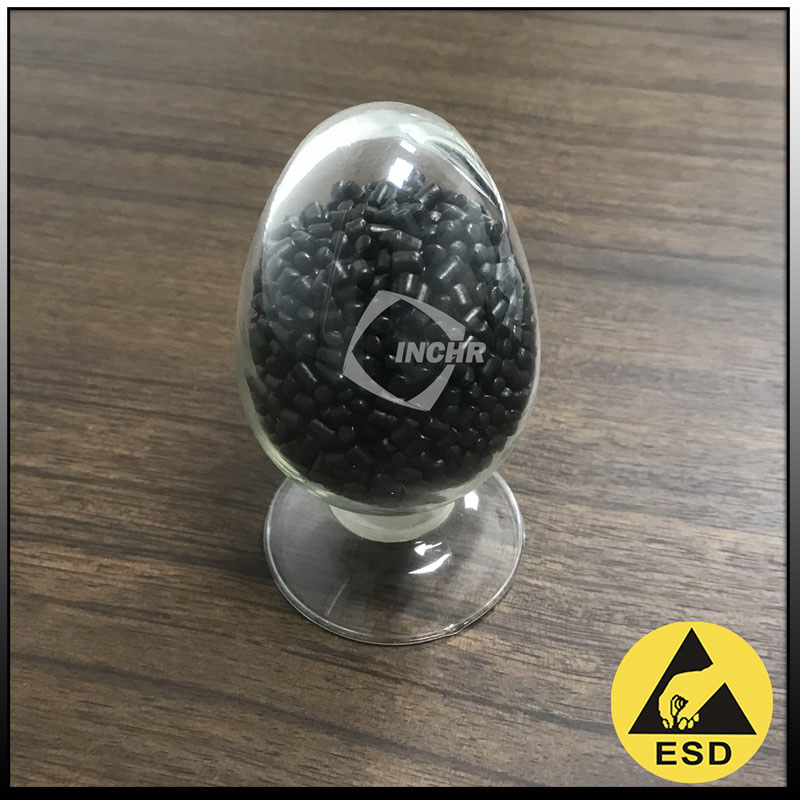
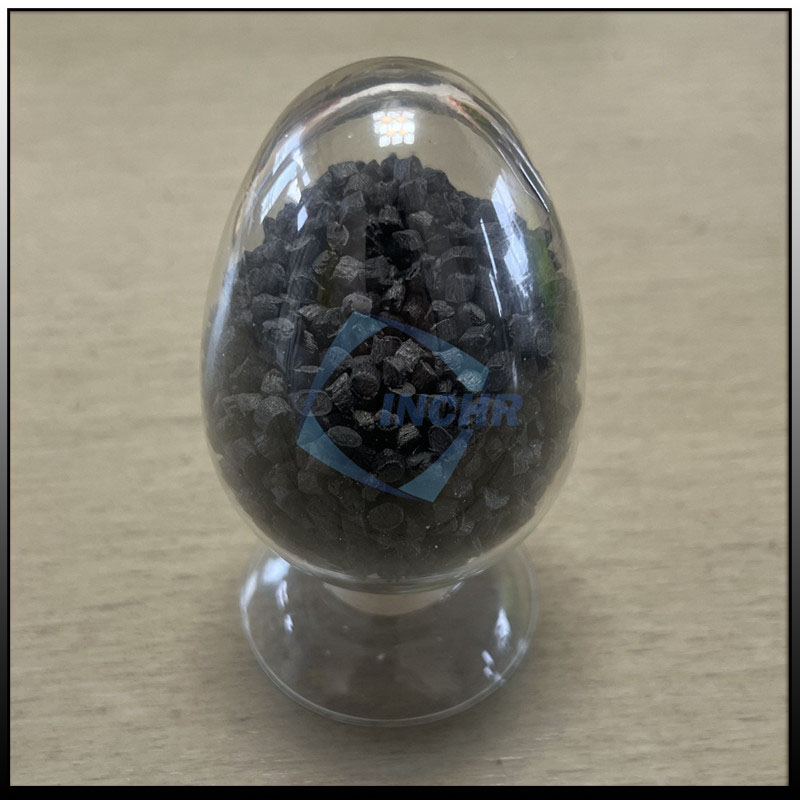
ESD plastic materials are specially engineered polymers designed to control static electricity. They come in two main types: conductive plastics, which allow charge to flow through them, and dissipative plastics, which slowly bleed off static charges. Common examples include polyethylene and polypropylene infused with carbon or metallic additives. These materials are used in packaging, trays, bins, and workspace surfaces to create ESD-safe environments. For instance, ESD-safe packaging guide on our site details how these plastics are applied in real-world scenarios.
Key Benefits in Electronics Protection
The primary advantage of ESD plastics is their ability to prevent static buildup, reducing the risk of damage during manufacturing, storage, and transportation. This enhances product reliability and longevity, minimizing warranty claims and waste. Additionally, these materials help companies comply with international standards like ANSI/ESD S20.20, ensuring quality control. A study referenced by Wikipedia on ESD highlights that ESD-safe materials can improve yield rates by up to 30% in electronics assembly.
Applications Across Industries
From smartphones to medical devices, ESD plastics are ubiquitous. They are used in anti-static bags for shipping components, conductive floors in cleanrooms, and protective casings for circuit boards. For example, the automotive industry relies on these materials to shield onboard electronics from ESD during assembly. [Internal link: Case studies on ESD applications] provide deeper insights into their versatility.
How ESD Plastics Work
These materials function by providing a controlled path for static electricity to dissipate safely. Unlike standard plastics, which can accumulate charge, ESD variants either ground the charge or slow its release, preventing sudden discharges. This is crucial in environments with low humidity, where static risks are higher. The image below illustrates an ESD-safe tray used for storing electronic components:

Conclusion
In summary, ESD plastic material is not just an option but a necessity in electronics protection. They mitigate ESD risks, boost efficiency, and support sustainable practices by reducing electronic waste. As technology advances, the role of these materials will only grow, making them a cornerstone of innovation. For further details, explore our ESD resource hub or consult industry experts.