In the world of modern electronics, the enemy is often invisible. Electrostatic discharge (ESD) is a sudden flow of electricity between two charged objects, which can damage or destroy sensitive electronic components in a microsecond. This is where specialized ESD plastic packaging becomes not just a container, but a critical component of your manufacturing and supply chain. This guide will explain how ESD packaging works, its different types, and how to choose the right one to ensure your products’ integrity and reliability.
What is ESD and Why is it a Threat?
Electrostatic discharge is the equivalent of a miniature lightning strike for your electronics. It can occur through direct contact or even through an electrostatic field. The damage can be catastrophic (immediate failure) or latent (a weakened component that fails later in the field), the latter being often more costly and damaging to your brand reputation. Protecting components from this threat from the production line to the end-user is paramount.
How Does ESD Plastic Packaging Work?
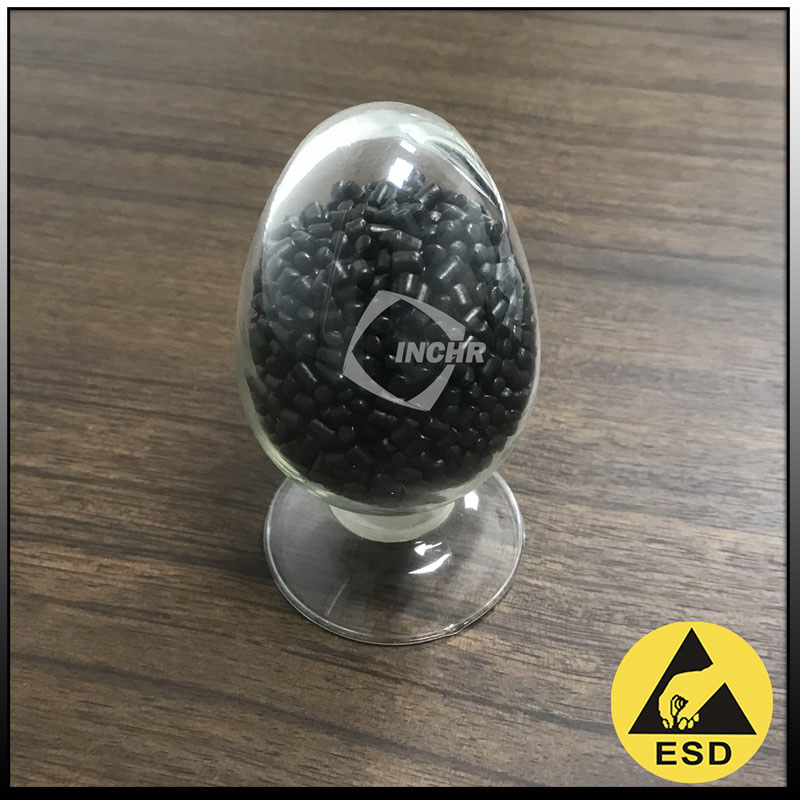
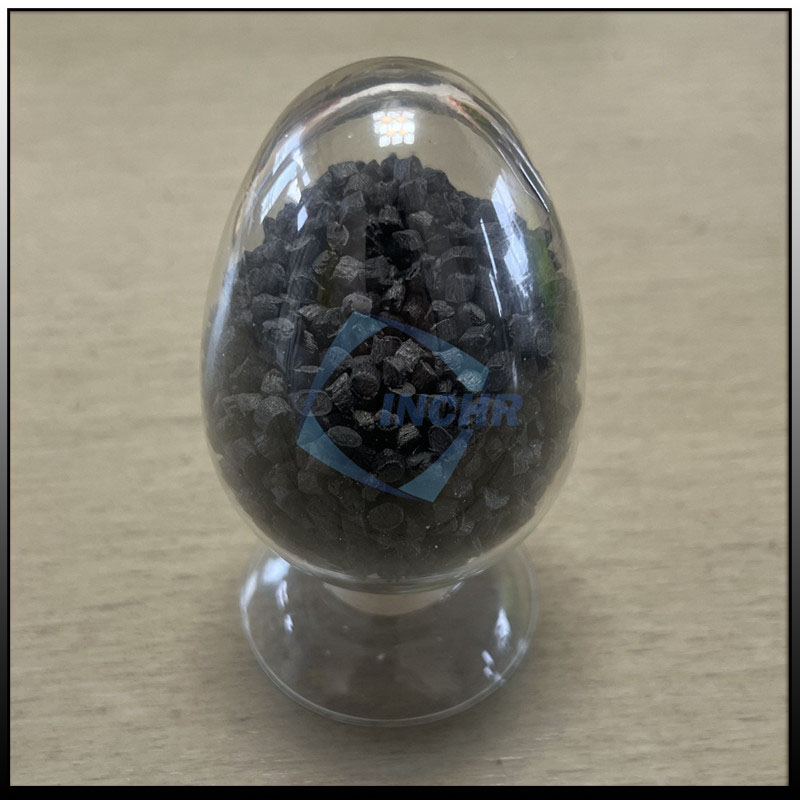
Unlike standard insulating plastics that can trap charge, ESD plastics are engineered to control the flow of electricity. They are formulated with additives like carbon fibers, carbon powder, or other proprietary compounds that give the material specific electrical properties. The primary function is to either conductively drain a charge away safely or dissipatively slow its release, preventing a rapid, damaging discharge.
Main Types of ESD Plastic Packaging Materials
Understanding the different types of ESD plastics is key to selecting the right protection. They are categorized by their surface resistance, measured in ohms (Ω).
Conductive Plastics (Surface Resistance: < 1 x 10^4 Ω to < 1 x 10^6 Ω):
These materials have a very low resistance, allowing electrical charges to flow through them quickly and easily. They are ideal for shielding components from outside electrostatic fields and for quickly grounding any charges. Common uses include:Shielding bags
Containers for highly sensitive components
Workspace surfaces that require grounding
Static Dissipative Plastics (Surface Resistance: ≥ 1 x 10^6 Ω to < 1 x 10^12 Ω):
This category offers a controlled, slower discharge of static electricity. By slowing down the charge transfer, it prevents a rapid ESD event that could cause damage. Dissipative materials are the workhorses of ESD packaging and are used for:ESD Trays and Totes: For handling and transporting components on production lines. (Learn more about our custom ESD tray solutions in our product catalog).
Foams and Cushioning: Protecting components from physical shock and ESD during shipping.
Workspace Accessories: Like mats and bins.
Anti-Static Plastics (Surface Resistance: ≥ 1 x 10^9 Ω to < 1 x 10^12 Ω):
The primary function of anti-static materials is to inhibit the generation of static charge in the first place. They minimize the static created when materials rub together. While they offer some protection, they are not designed to shield or drain existing charges and are often used in conjunction with other ESD controls.
Key Considerations for Choosing ESD Packaging
Selecting the right packaging is a strategic decision. Consider these factors:
Component Sensitivity: How ESD-sensitive are your components (based on their HBM or CDM rating)?
Durability & Reusability: Will the packaging be single-use or reusable? Materials like polypropylene (PP) and polyethylene (PE) are common for durable trays and totes.
Environmental Requirements: Does the packaging need to withstand high temperatures for sterilization or specific cleanroom standards?
Compliance with Standards: Ensure your packaging and overall ESD program comply with international standards like the ANSI/ESD S20.20. You can learn more about this standard on the ESD Association website.

Conclusion: An Investment in Quality and Reliability
ESD plastic packaging is far more than a box or a tray; it is an essential safeguard for the technological heart of your products. By understanding the threats and implementing the correct ESD packaging strategy, you protect your investment, reduce costly field failures, and build a reputation for quality and reliability. In the high-stakes world of electronics, effective ESD control isn’t an option—it’s a necessity.