In today’s hyper-connected world, electronics are the backbone of nearly every industry. From manufacturing sophisticated medical devices to assembling the latest smartphone, protecting sensitive electronic components is not just a best practice—it’s a critical necessity. This is where ESD materials come into play, forming the first line of defense against an invisible threat: electrostatic discharge (ESD).
What is ESD and Why is it a Problem?
Electrostatic Discharge (ESD) is the sudden flow of electricity between two electrically charged objects. It’s the tiny shock you feel when you touch a doorknob after walking across a carpet. While harmless to humans, that same spark can be catastrophic for microchips, circuit boards, and other electronic components.
A discharge as low as 30 volts can damage or degrade a sensitive component, rendering a product faulty right from the start or causing a latent defect that fails weeks or months later. For businesses, this translates to:
Increased product returns and failures.
Higher manufacturing and repair costs.
Damaged brand reputation and customer trust.
What Are ESD Materials?
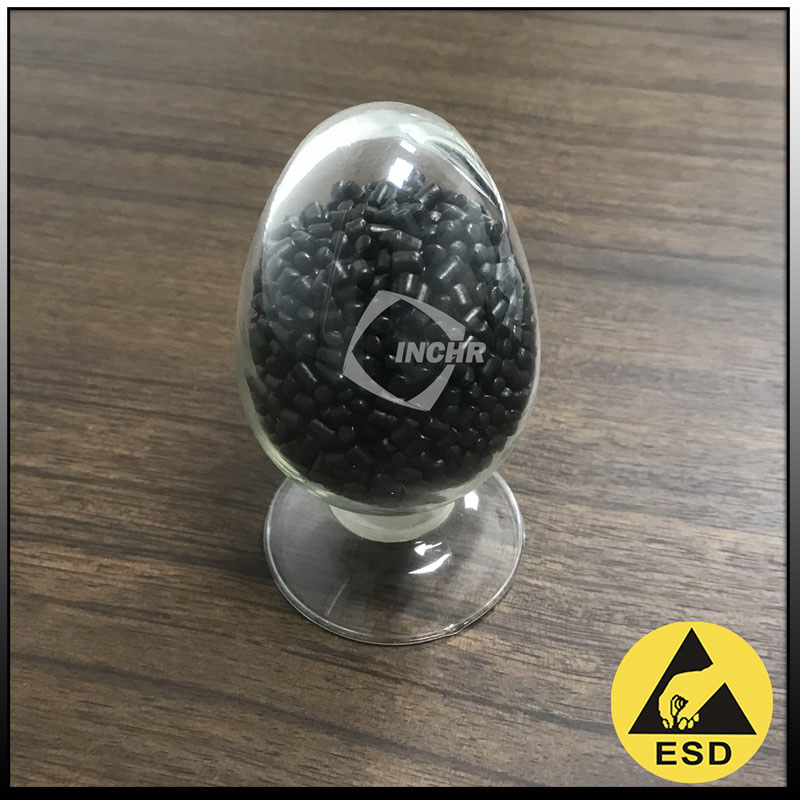
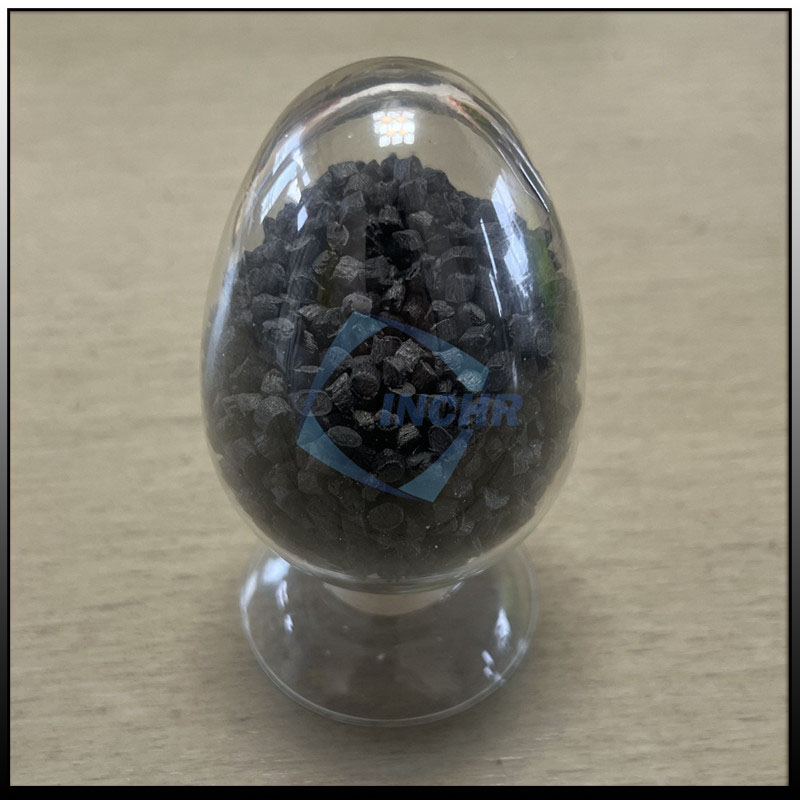
ESD materials are specialized substances and products designed to control static electricity. They do this through three primary mechanisms:
Conductive Materials: These have a low electrical resistance (typically less than 1 x 10^5 ohms), allowing electrons to flow easily across their surface, thereby grounding a charge quickly and safely.
Dissipative Materials: With a higher resistance than conductive materials (between 1 x 10^5 and 1 x 10^11 ohms), they allow charges to flow to ground in a slower, more controlled manner, preventing a rapid discharge that could cause damage.
Shielding Materials: These protect components from both direct discharge and electrostatic fields, often by enclosing them in a Faraday cage effect. Shielding bags are a common example.
Common ESD products include:
Worksurface Mats: For creating a static-safe workbench.
Flooring: ESD tiles or mats to ground personnel.
Personal Protection: Wrist straps, heel straps, and ESD smocks.
Packaging: Shielding bags, conductive foam, and containers.
Ionizers: Used to neutralize static charges on non-conductive items.
Why Your Business Absolutely Needs ESD Materials
Investing in a robust ESD control program is not an expense; it’s an insurance policy for your product quality and bottom line.
1. Protect Your Products and Ensure Reliability
The most direct benefit is the protection of your inventory and finished goods. By using ESD-safe packaging, workstations, and handling procedures, you drastically reduce the incidence of ESD-related damage. This leads to higher product quality, lower failure rates, and greater customer satisfaction. For instance, an ESD wrist strap is a simple, low-cost tool that prevents a technician from becoming a source of destruction.
2. Reduce Costs and Improve Profitability
The cost of a single ESD event can be staggering when you factor in the price of the damaged component, the labor to diagnose and replace it, and the potential cost of a warranty claim or field failure. A proactive ESD control program minimizes these hidden costs, directly improving your profitability.
3. Enhance Workplace Safety
While ESD itself is not a major personal safety hazard in most electronics environments, the principles of a controlled electrical environment contribute to overall workplace safety. Proper grounding and electrical safety protocols go hand-in-hand.
4. Meet Industry Compliance and Standards
Many industries, especially automotive (IATF 16949), aerospace, and medical devices, are governed by strict quality standards that mandate ESD control. Adherence to standards like the ANSI/ESD S20.20 is often a prerequisite for doing business with major manufacturers. Implementing the correct ESD materials demonstrates your commitment to quality and compliance.
5. Build a Reputation for Quality
In a competitive market, a reputation for reliability is priceless. Consistently delivering high-quality, durable products builds immense trust with your customers and partners. An effective ESD control program is a foundational element in building that reputation.
Implementing an ESD Program: A Best Practice
A successful ESD program is more than just buying a few mats. It requires a holistic approach:
Establish an ESD Protected Area (EPA): A designated space where ESD-sensitive items are handled.
Use the Right Materials: Ensure all surfaces, tools, and packaging within the EPA are ESD-safe.
Train Your Personnel: Employees must understand the “why” and “how” of ESD control. Regular training is essential.
Regular Testing and Auditing: Use a surface resistivity meter and other tools to regularly check your ESD materials for wear and tear, ensuring they remain effective over time.
Conclusion
In the intricate world of modern electronics, ignoring the threat of ESD is a risk no business can afford. ESD materials are the essential building blocks of a quality control system that safeguards your products, protects your profits, and secures your brand’s future. By understanding their importance and implementing a comprehensive ESD control program, you are making a strategic investment in the long-term health and success of your business.