In the precise world of electronics manufacturing and handling, the invisible threat of electrostatic discharge (ESD) looms large. Protecting sensitive components from this danger is paramount, leading to a critical choice between two material classes: traditional anti-static materials and engineered ESD plastics. Understanding their differences is not just technical—it’s essential for ensuring product reliability, reducing costs, and making an informed decision.
Defining the Core Technologies
The key to choosing the right material lies in understanding how each one works at a fundamental level.
Traditional Anti-Static Materials: A Surface-Level Solution
These are typically standard polymers (like polyethylene or polypropylene) that have been treated with external chemical additives. These additives, often hygroscopic (water-attracting), work by absorbing moisture from the air to create a thin, slightly conductive layer on the material’s surface. This layer prevents the initial build-up of a static charge through friction (tribocharging). However, this protection is not permanent. It can be easily removed by wiping, washing, or abrasion, and its effectiveness plummets in low-humidity environments where there is less moisture to absorb. For a deeper dive into ESD fundamentals, our guide on ESD-safe workstations provides further context.
ESD Plastics: Engineered-In Protection
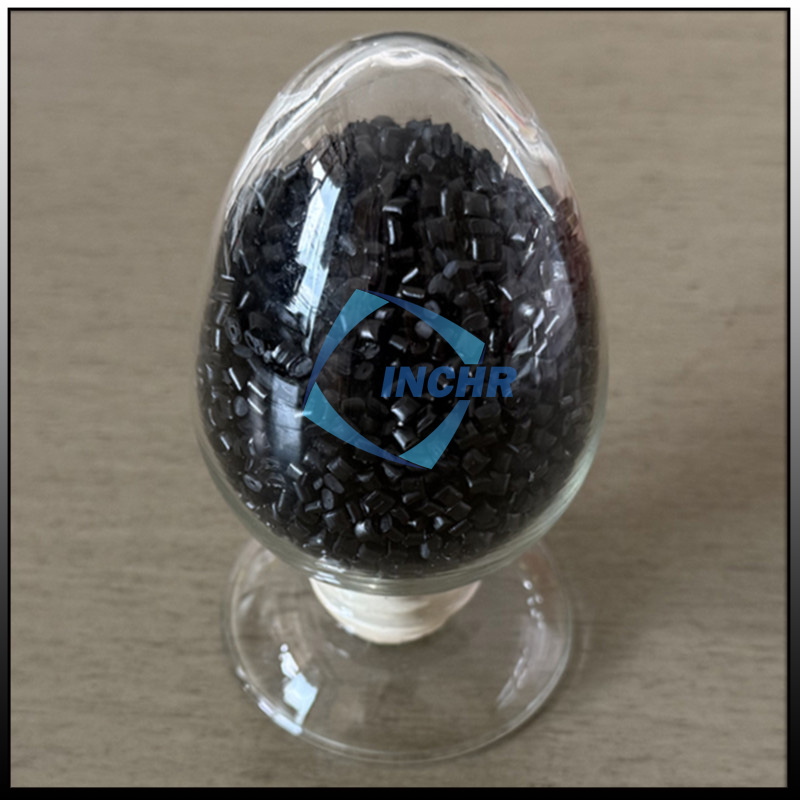
In contrast, ESD plastics are inherently static-dissipative. Their protective properties are built directly into the material’s molecular structure during manufacturing by compounding the base polymer (e.g., PC, ABS, PEI) with permanent conductive elements like carbon black, carbon fibers, or metallic particles. This creates a continuous network throughout the material, allowing it to not only prevent charge generation but also to safely and steadily dissipate any existing charge to ground. This controlled dissipation is critical for preventing damage to sensitive components.

Head-to-Head Comparison: Performance and Application
Let’s break down the practical differences that impact your operations.
| Feature | Traditional Anti-Static | ESD Plastics |
|---|---|---|
| Mechanism | Topical, additive-based | Inherent, volumetric |
| Longevity | Temporary; degrades with wear, cleaning, and time | Permanent; lasts the lifetime of the part |
| Primary Function | Prevents charge generation | Prevents charge generation AND safely dissipates charge |
| Humidity Dependency | High (less effective in dry conditions) | Low (consistent performance in all environments) |
| Best For | Short-term packaging, low-risk environments | Permanent fixtures, reusable trays, sensitive assembly |
When to Choose ESD Plastics:
Opt for ESD plastics when performance and longevity are critical. This includes:
Reusable Handling Equipment: Production trays, fixtures, and soldering palettes.
Worksurface Applications: ESD-safe workbenches and mats that require constant, reliable protection.
High-Risk Environments: Manufacturing areas for medical, aerospace, and automotive electronics where component failure is not an option. The standards set by organizations like the ESD Association are built around this level of reliable protection.
When Traditional Anti-Static Suffices:
These materials are a cost-effective solution for:
Single-Use Packaging: Bags and wraps for shipping components that are not highly sensitive.
Dust Prevention: Applications where the primary goal is to avoid attracting particulate contaminants.
The Verdict: A Matter of Permanence and Reliability
The choice between ESD plastics and traditional anti-static materials is ultimately a choice between a permanent, engineered solution and a temporary, topical one.
For any serious application involving high-value or sensitive electronics, ESD plastics are the unequivocally superior choice. Their inherent, non-degrading properties provide the controlled charge dissipation necessary to protect against both slow-field-induced failures and catastrophic ESD events. While the initial cost may be higher, the investment is justified by dramatically reduced failure rates, long-term material integrity, and compliance with industry best practices.
Choosing ESD plastics is not just selecting a material; it is choosing a strategy of reliability and quality assurance.