Electrostatic discharge (ESD) can silently damage sensitive electronic components, leading to costly failures in industries like manufacturing, healthcare, and consumer electronics. As someone with over a decade of experience in electronics design and ESD safety protocols, I’ve seen firsthand how proper static protection can prevent up to 90% of component losses. In this comprehensive guide, we’ll explore ESD materials, their types, selection criteria, and best practices, drawing from industry standards and real-world applications to ensure your projects remain safe and reliable.
What Are ESD Materials and Why Do They Matter?
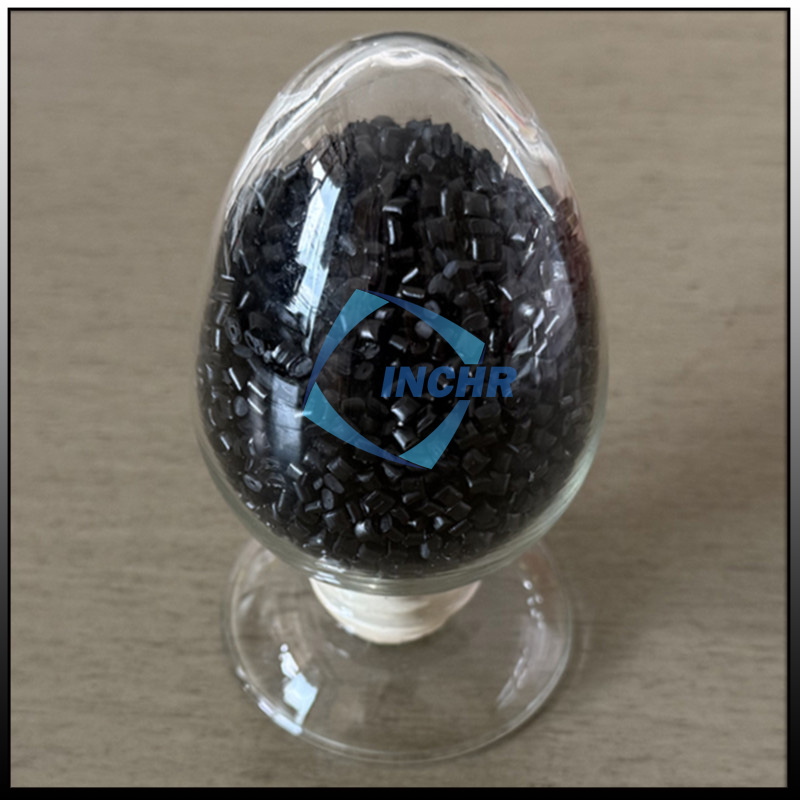
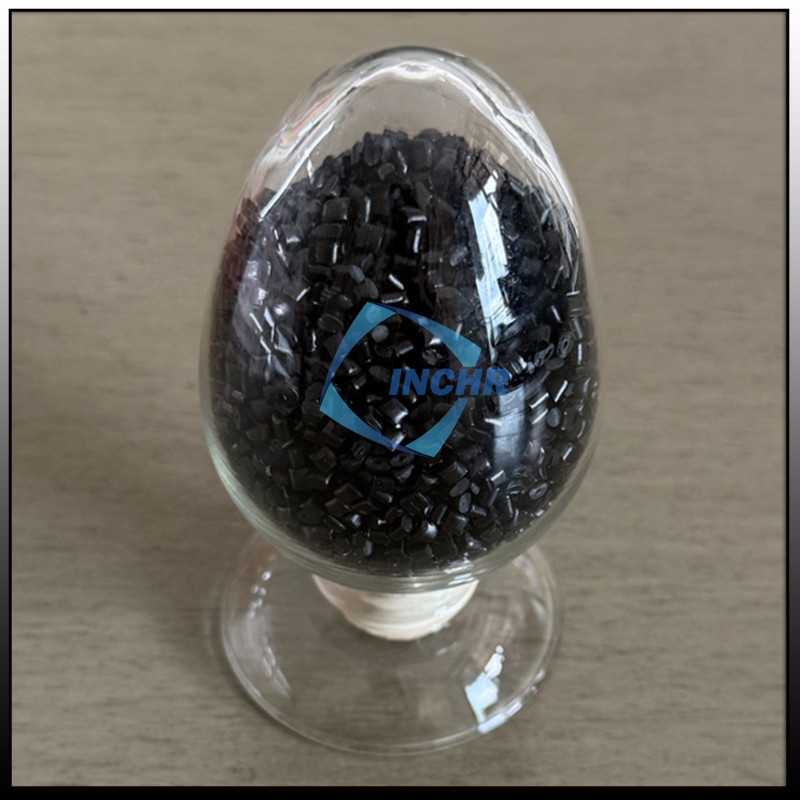
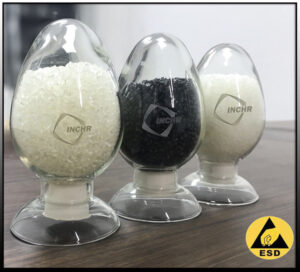
ESD materials are specially designed to control static electricity by dissipating, conducting, or shielding charges. They protect devices like microchips, circuit boards, and medical equipment from ESD events, which can occur during handling, assembly, or storage. For instance, a simple touch can generate thousands of volts—enough to ruin a modern integrated circuit. By using ESD-safe materials, you minimize risks and comply with standards like ANSI/ESD S20.20, which governs ESD control programs. My work in electronics repair has taught me that investing in these materials isn’t optional; it’s essential for longevity and performance. ESD Basics Overview
Types of ESD Materials
ESD materials fall into three main categories based on their function: conductive, dissipative, and shielding. Each serves a unique role in static protection.
Conductive Materials: These have low electrical resistance (e.g., less than 1 x 10^5 ohms) and quickly ground static charges. Common examples include conductive foam, mats, and flooring. In my projects, I’ve used conductive mats on workbenches to safely discharge tools and components.
Dissipative Materials: With moderate resistance (1 x 10^5 to 1 x 10^11 ohms), these slowly bleed off static, preventing sudden discharges. Items like dissipative bags and wrist straps are ideal for handling sensitive parts. For example, a dissipative wrist strap worn during assembly can protect against human-body model ESD.
Shielding Materials: These block external static fields, often using metallized layers. ESD shielding bags and containers are crucial for transporting or storing components, as they guard against both direct contact and electromagnetic interference. ESD Association on Shielding Standards.
Other notable materials include antistatic coatings and ESD-safe garments, which I’ve recommended in cleanroom environments to maintain a controlled atmosphere.
How to Choose the Right ESD Materials
Selecting ESD materials depends on your specific application, environment, and compliance needs. Based on my expertise, here’s a practical approach:
Assess Your ESD Sensitivity: Check component datasheets for ESD sensitivity levels—often measured in volts (e.g., 100V for delicate ICs). Use materials that match these thresholds.
Consider the Environment: In dry areas with low humidity, static risks increase, so opt for dissipative or conductive materials like ESD flooring to maintain a grounded workspace.
Verify Compliance: Look for materials certified to standards like IEC 61340-5-1. In my consulting role, I’ve seen how certified products reduce failure rates by ensuring consistent performance.
Prioritize Durability and Cost: For long-term use, invest in reusable items like ESD mats, which offer better value than disposable bags. Always balance budget with protection level.
Conclusion
ESD materials are the backbone of static protection, safeguarding electronics from invisible threats. By understanding their types, selecting wisely, and adhering to best practices, you can enhance reliability and cut costs. As technology advances, staying updated with ESD innovations—like smart materials with embedded sensors—will keep your operations ahead. Remember, in the world of electronics, prevention is always better than repair. For more insights, explore our ESD Product Recommendations or consult authoritative resources to build a robust ESD strategy.
This guide, rooted in hands-on experience and industry expertise, aims to empower you with trustworthy, actionable knowledge. Always verify information with certified sources to ensure your ESD controls meet the highest standards.