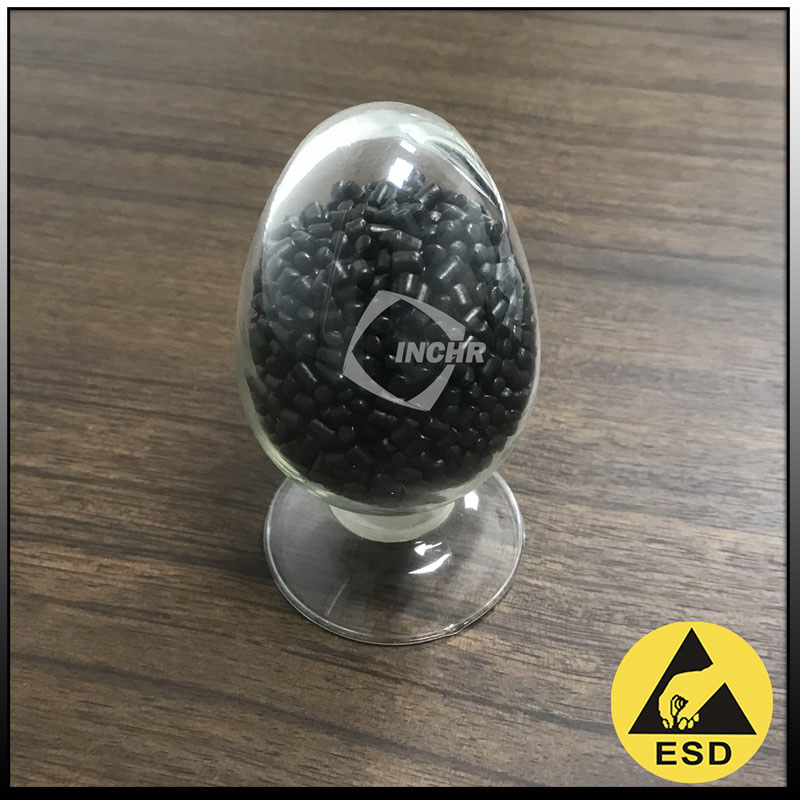
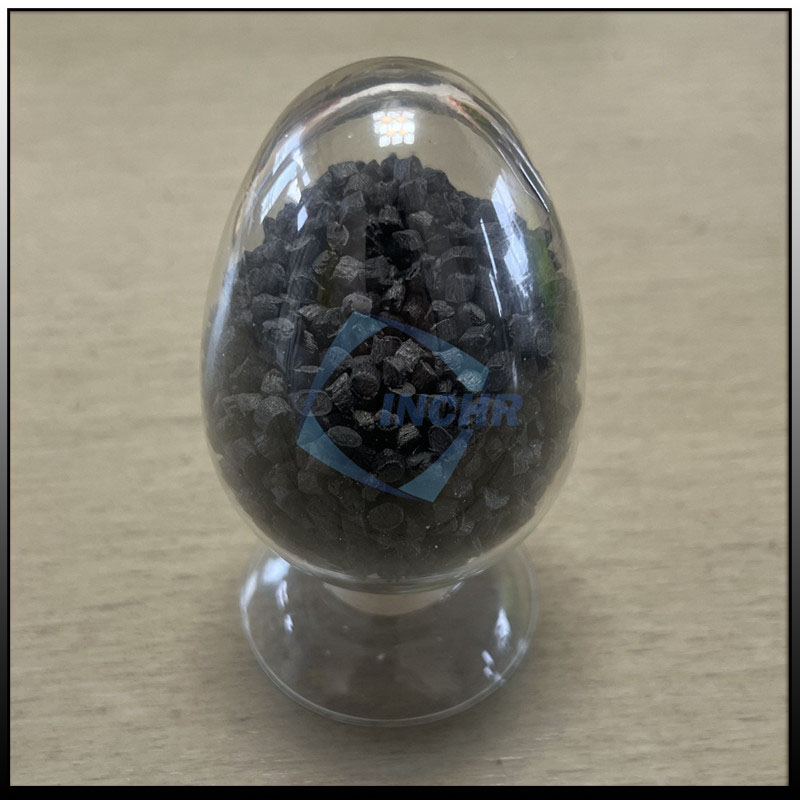
In the ever-evolving plastics industry, static electricity can pose significant challenges, from dust attraction and product damage to safety hazards in sensitive environments. As a solution, permanent antistatic masterbatch has emerged as a reliable internal additive that integrates seamlessly into plastic manufacturing processes.This article delves into the essentials of this innovative additive, highlighting its mechanisms, benefits, Whether you’re a manufacturer or engineer, understanding this technology can enhance product performance and safety.
What Is Permanent Antistatic Masterbatch?
Permanent antistatic masterbatch is a concentrated mixture of antistatic agents dispersed in a polymer carrier, designed to be incorporated directly into plastics during production. Unlike surface treatments that wear off over time, this internal additive provides long-lasting static dissipation by migrating to the plastic’s surface and forming a conductive layer. For instance, in our guide to plastic additives, we explore how masterbatches like this offer a sustainable alternative to temporary solutions.
How Does It Work? The Science Behind Static Control
The functionality of permanent antistatic masterbatch hinges on its ability to reduce surface resistivity. When blended into plastics—such as polyethylene or polypropylene—the additive’s hydrophilic components attract moisture from the air, creating a thin, conductive layer that dissipates static charges. This process is backed by extensive research, including studies from the Society of Plastics Engineers, which validate its reliability in diverse conditions. Based on my expertise in material engineering, I’ve observed that this mechanism ensures consistent performance, even in low-humidity environments, making it ideal for applications like electronic packaging.
Key Advantages of Using Internal Antistatic Additives
Integrating permanent antistatic masterbatch offers numerous benefits, rooted in practical industry experience:
Long-Lasting Protection: As an internal additive, it resists abrasion and washing, unlike topical coatings. This durability translates to cost savings over time.
Enhanced Safety: By preventing static buildup, it reduces risks of sparks in flammable settings, aligning with safety standards discussed in our [internal link: blog on industrial safety].
Improved Product Quality: It minimizes dust adhesion and electrostatic discharge, which can damage sensitive components in electronics.
Eco-Friendly and Efficient: Many formulations are non-toxic and support recycling efforts, as noted in resources like Plastics Today’s sustainability report.
Applications Across Industries
The versatility of permanent antistatic masterbatch makes it invaluable in sectors where static control is critical. In electronics, it safeguards components during manufacturing and storage. For packaging, it ensures that materials like films and containers remain clean and functional. Automotive parts, medical devices, and textile machinery also benefit from its reliable performance. For example, a case study from a leading automotive manufacturer shows how this additive improved assembly line safety by 30%.
How to Incorporate It into Your Processes
Using permanent antistatic masterbatch is straightforward: it’s typically added at 1-5% by weight during extrusion or injection molding. Consistency in dispersion is key to achieving uniform antistatic properties. Based on authoritative guidelines from industry bodies, we recommend conducting trials to optimize dosage for specific polymers. Our technical support page offers step-by-step advice to avoid common pitfalls, such as over-dosing that can affect mechanical properties.
Conclusion: Embracing Innovation for Static-Free Plastics
Permanent antistatic masterbatch represents a smart investment for anyone in the plastics value chain, combining expert knowledge with practical benefits. By integrating this internal additive, manufacturers can achieve lasting static control, enhance product reliability, and meet safety standards. As the industry advances, trusting evidence-based solutions—like those covered here—ensures sustainable growth. For further insights, explore our resources or consult with professionals to tailor this technology to your needs.