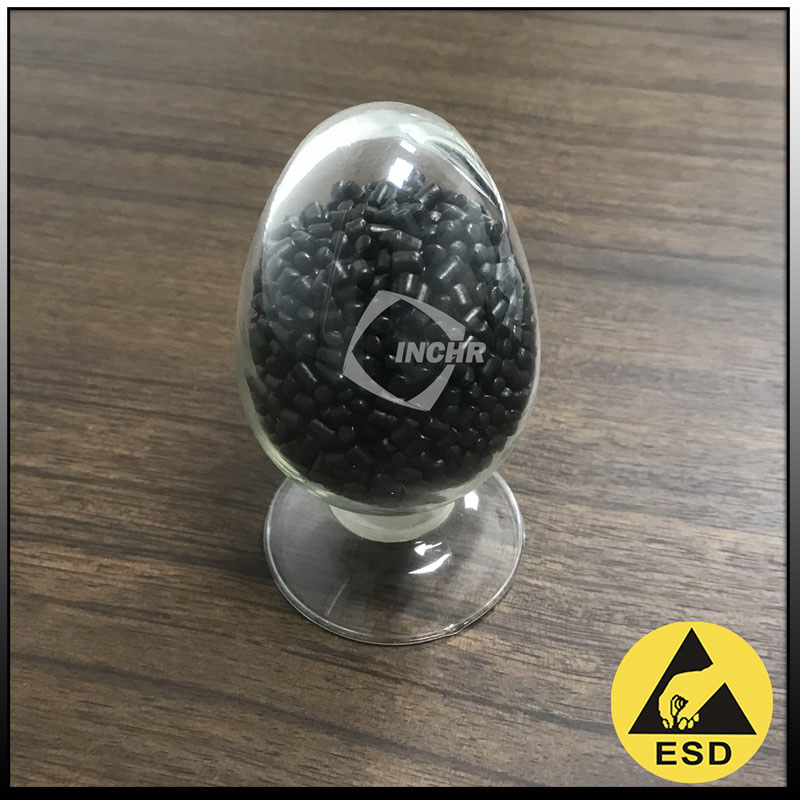
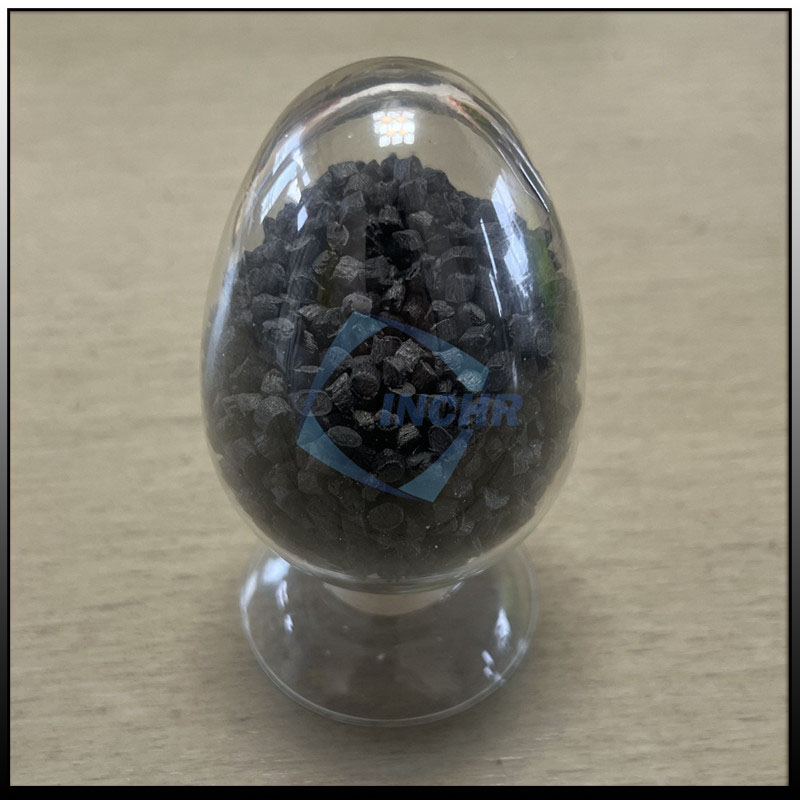
In the world of plastic manufacturing, two persistent challenges can compromise product quality and safety: dust attraction and electrostatic discharge (ESD). These issues are not just minor annoyances; they can lead to product contamination, operational inefficiencies, and even critical failures, especially in sensitive industries like electronics and packaging. Fortunately, a highly effective solution exists: antistatic masterbatch.
This article explores how incorporating antistatic masterbatch into your plastic production process is a straightforward and cost-effective way to create cleaner, safer, and higher-performing products.
Understanding the Static Problem in Plastics
Plastics are inherently insulative, meaning they do not conduct electricity. This property makes them prone to accumulating static charges through friction during processing, handling, or everyday use. This buildup of static electricity manifests in two primary ways:
Dust Attraction: Statically charged plastic surfaces act like magnets for lint, dust, and other airborne particles. This leads to dirty-looking products, contamination in clean environments, and flawed finishes in printing or painting.
Electrostatic Discharge (ESD): A sudden, rapid transfer of static charge can damage sensitive electronic components, cause ignition in flammable atmospheres, and deliver an unpleasant shock to users.
How Does Antistatic Masterbatch Work?
An antistatic masterbatch is a concentrated mixture of antistatic agents dispersed in a polymer carrier. It is designed to be added to the base plastic resin (like PP, PE, or ABS) during the molding or extrusion process.
The antistatic agents within the masterbatch migrate to the surface of the plastic product over time. Once on the surface, they function by attracting a microscopic layer of moisture from the air. This layer of water molecules provides a conductive path, allowing the static charge to dissipate safely and continuously rather than building up.
Key Benefits: Beyond Just Reducing Static
Integrating antistatic masterbatch offers a multitude of advantages that directly align with the goals of “Reduce Dust & Improve Safety”:
Enhanced Product Cleanliness: By preventing static buildup, plastic products no longer attract dust and dirt. This is crucial for items like electronic housings, food packaging, and medical device containers, where contamination is a major concern.
Improved Operational Safety: The controlled dissipation of charge significantly reduces the risk of sudden ESD events. This protects both the product itself (e.g., circuit boards) and the operating environment, preventing fires or explosions in hazardous areas.
Superior Product Quality: Eliminating dust contamination leads to better results in downstream processes like painting, printing, and coating, as surfaces are cleaner and more receptive.
Permanent and Consistent Performance: Unlike topical sprays that wear off, internal antistatic additives provide long-lasting protection throughout the product’s lifespan.
Applications Across Industries
The utility of antistatic masterbatch spans numerous sectors:
Electronics & Appliances: Housings for computers, printers, and consumer electronics to protect internal components from ESD.
Packaging: FIBC bags, totes, and containers for powders and flammable materials, as well as food packaging to repel dust.
Automotive: Interior components, fuel system parts, and modules to ensure reliability and safety.
Material Handling: Conveyors, trolleys, and bins used in automated settings where static can disrupt operations.
Implementing Antistatic Masterbatch in Your Process
Using an antistatic masterbatch is simple. It is typically added at a recommended let-down ratio (e.g., 1-3%) directly into the virgin polymer during the blending stage before processing. The specific ratio depends on the required level of antistatic performance and the base polymer being used. For more details on polymer-specific additives, you can explore resources from experts in the field.Introduction to Antistatic Masterbatch
Conclusion: A Smart Investment in Quality and Safety
In conclusion, antistatic masterbatch is an indispensable additive for any plastic manufacturer aiming to elevate their product quality. It directly addresses the core issues of dust reduction and safety improvement in a highly efficient, integrated, and permanent manner. By choosing the right antistatic solution, you can produce plastics that are not only cleaner and more aesthetically pleasing but also safer and more reliable for end-users.