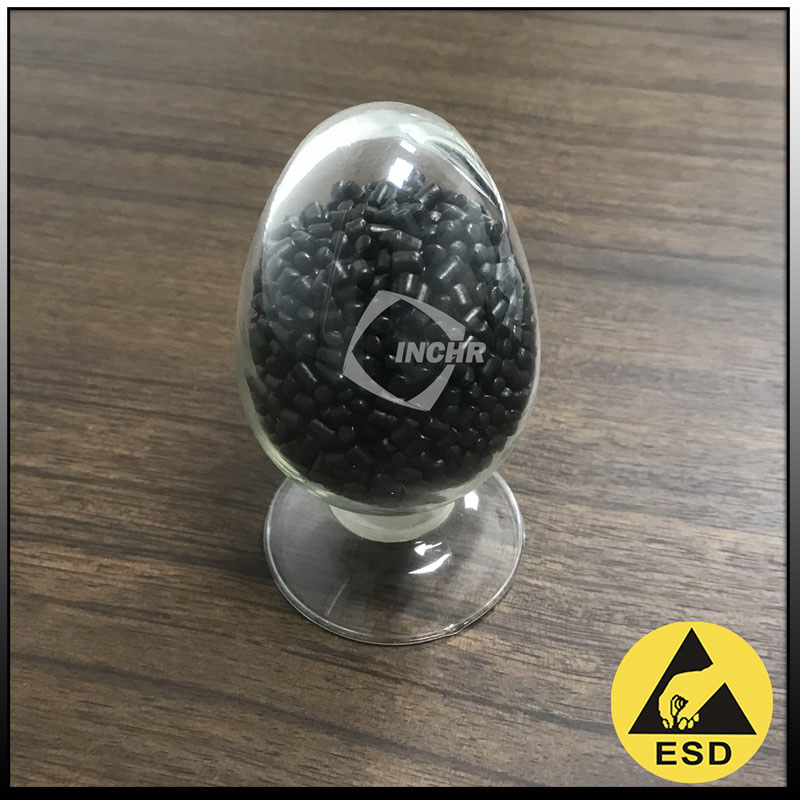
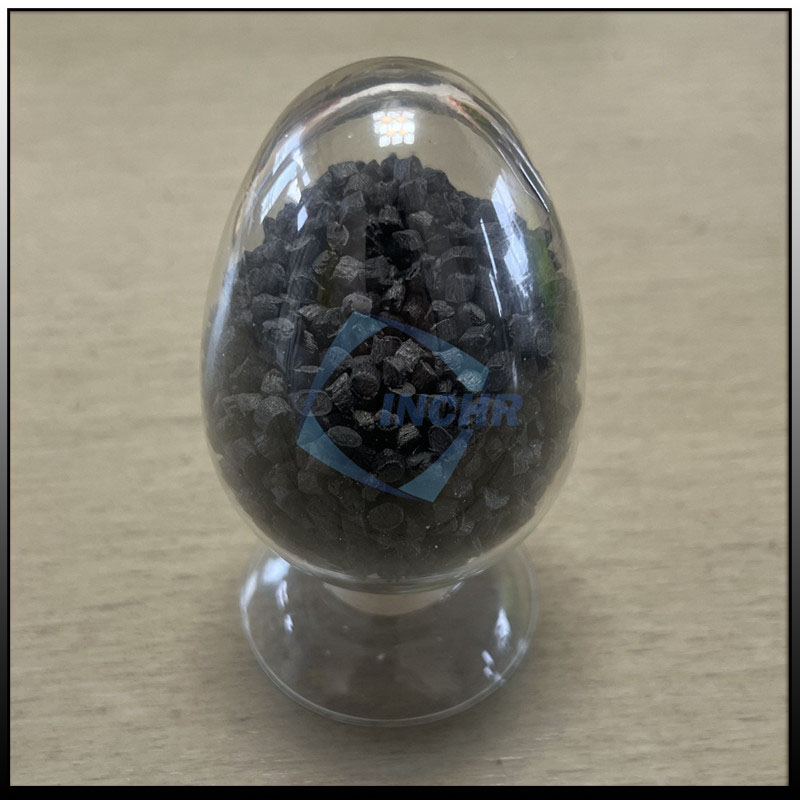
In today’s advanced technological landscape, materials that combine durability with specialized functions are crucial. One such innovation is the ESD PEEK Compound, a engineered thermoplastic that offers exceptional electrostatic discharge (ESD) protection alongside the inherent benefits of Polyetheretherketone (PEEK). This material is revolutionizing sectors where static electricity can cause catastrophic failures, from electronics to aerospace. In this article, we delve into what ESD PEEK Compound is, its key properties, applications, and why it stands out as a top choice for engineers and designers.

What is ESD PEEK Compound?
ESD PEEK Compound is a composite material made by blending PEEK polymer with conductive additives, such as carbon fibers or metallic particles, to impart electrostatic discharge properties. PEEK itself is known for its high thermal stability, chemical resistance, and mechanical strength, making it a premium engineering plastic. By incorporating ESD capabilities, this compound prevents the buildup and sudden release of static electricity, which can damage sensitive electronic components or ignite flammable environments. Essentially, it merges the robustness of PEEK with the safety of ESD protection, creating a versatile solution for critical applications. For more details on PEEK materials, visit our page on PEEK compounds .
Key Properties and Advantages
The ESD PEEK Compound boasts a range of properties that make it ideal for harsh conditions. Firstly, its ESD performance ensures surface resistivity typically between 10^6 to 10^9 ohm/sq, effectively dissipating static charges without conducting electricity excessively. This is complemented by PEEK’s inherent traits: it withstands continuous temperatures up to 250°C, resists chemicals like acids and solvents, and offers high tensile strength and wear resistance. Additionally, it is lightweight and can be easily processed through injection molding or extrusion, allowing for complex part designs. Compared to metals or other plastics, ESD PEEK reduces weight and corrosion risks while maintaining safety.
Another significant advantage is its longevity and reliability. Unlike coatings that can wear off, the ESD properties are bulk-inherent, ensuring consistent performance over time. This makes it a cost-effective choice for long-term applications. For industry standards on ESD protection, refer to the ESD Association guidelines.
Applications Across Industries
ESD PEEK Compound finds use in diverse sectors where static control is paramount. In the electronics industry, it is employed in semiconductor handling equipment, connectors, and enclosures to prevent damage from ESD events. For instance, in cleanrooms, components made from this material safeguard integrated circuits during manufacturing. In aerospace and defense, it is used in aircraft interiors, avionics housings, and military devices, where both lightweight and ESD safety are critical. The medical device field also benefits, with applications in surgical instruments and imaging equipment that require sterility and static dissipation. Moreover, the automotive sector utilizes it in sensors and connectors for electric vehicles, enhancing reliability. Explore our ESD materials applications page for more insights.
Selecting the Right ESD PEEK Compound
When choosing an ESD PEEK Compound, consider factors like the required resistivity level, environmental exposure, and processing methods. It’s essential to consult with suppliers to ensure the material meets specific industry standards, such as those for flammability or biocompatibility. Testing under real-world conditions can validate performance, ensuring optimal safety and efficiency.
In conclusion, ESD PEEK Compound represents a cutting-edge material that addresses the growing need for static control in high-performance environments. Its unique blend of ESD protection, thermal stability, and mechanical strength makes it a go-to solution for innovative applications. As industries evolve, this compound will continue to play a pivotal role in enhancing product reliability and safety. For further reading on advanced polymers, check out external resources on conductive plastics.