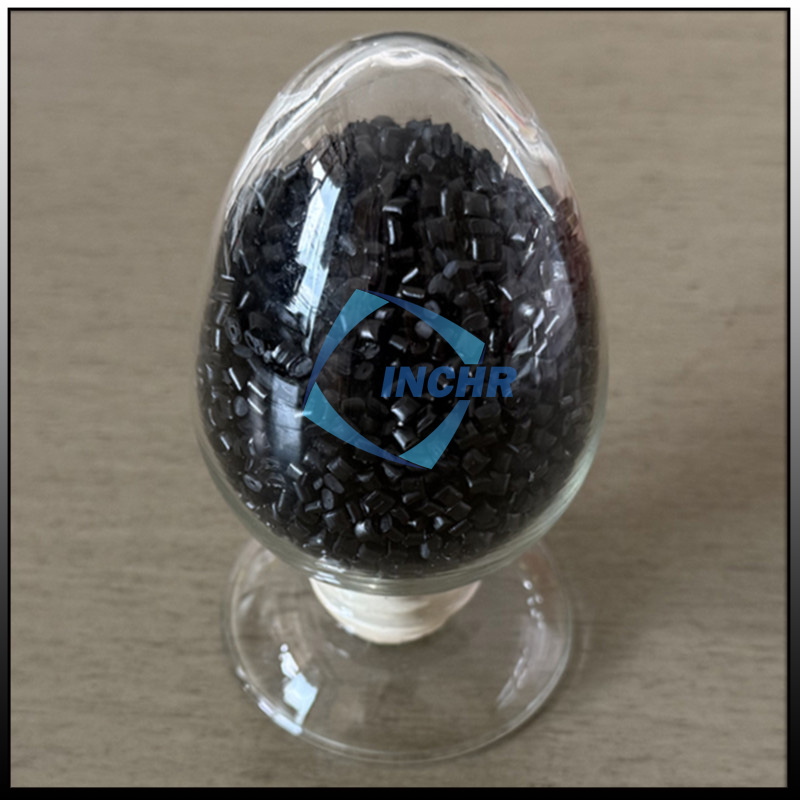
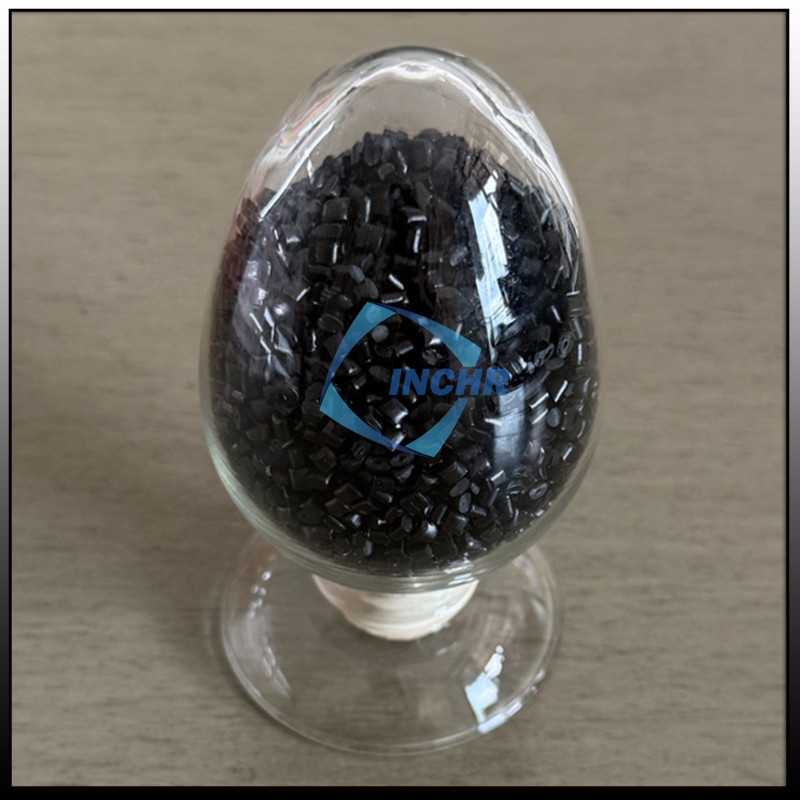
Electrostatic discharge (ESD) poses significant challenges across industries—from dust accumulation on plastic surfaces to catastrophic failure of electronic components. Traditional antistatic additives, typically migratory surfactants, bloom to the surface over time to create a conductive layer. However, this migration leads to gradual depletion, inconsistent performance, and potential surface contamination. Enter permanent antistatic additives—internal, migration-free agents that deliver enduring static control without compromising material integrity.
What Are Internal Migration-Free Antistatic Additives?
Unlike conventional additives that rely on surface migration, permanent internal antistatic agents are designed to be fully compatible with the polymer matrix. They form an interconnected network or continuous pathways within the bulk material, allowing electrostatic charges to dissipate through the volume rather than relying on a transient surface layer. Because these additives do not migrate, the antistatic property remains stable even after repeated washing, abrasion, or extended use.

Key Advantages
Long-lasting performance – No loss from surface wear, cleaning, or environmental exposure.
No surface exudation – Maintains pristine surface quality for painting, printing, or adhesive bonding.
Thermal stability – Withstands high-temperature processing, suitable for injection molding and extrusion.
Humidity-independent efficiency – Unlike hygroscopic migratory agents, performance is consistent across humidity levels.
Broad resin compatibility – Effective in polyolefins, styrenics, engineering plastics (ABS, PC, PA), and elastomers.
These attributes make internal migration-free agents ideal for applications requiring stringent cleanliness and durability. explore our range of permanent antistatic masterbatches.
Applications Across Industries
Permanent antistatic additives are transforming ESD protection in:
Electronics packaging – Trays, carrier tapes, and containers that safeguard sensitive components.
Automotive interiors – Dashboard components, door panels, and seat covers that resist dust and enhance comfort.
Medical devices – Equipment housings and disposables used in operating rooms and cleanrooms where ESD can ignite flammable gases.
Industrial equipment – Conveyor belts, storage bins, and handling trays for explosive environments.
Textiles and filtration – Nonwoven fabrics and filter media requiring permanent static dissipation.
Permanent vs. Migratory Antistatic Agents: A Comparison
| Feature | Migratory Agents | Permanent Internal Agents |
|---|---|---|
| Mechanism | Bloom to surface | Form internal conductive network |
| Durability | Temporary; lost after wiping/washing | Permanent; unaffected by surface wear |
| Surface quality | May cause tackiness or plate-out | Maintains original surface properties |
| Processing | Can interfere with heat-sealing | No interference with downstream processes |
| Cost efficiency | Lower upfront cost | Higher upfront, lower lifecycle cost |
Selecting the Right Additive
Choosing an internal migration-free antistatic agent involves evaluating resin type, processing method (injection molding, extrusion, blow molding), target surface resistivity (typically 10⁹–10¹² Ω/sq), and regulatory requirements (e.g., FDA, EU food contact). Collaborating with suppliers to tailor the formulation ensures optimal dispersion and performance without compromising mechanical properties.
Future Outlook
The demand for permanent antistatic solutions is rising with the proliferation of sensitive electronics, electric vehicles, and advanced medical technologies. Ongoing research focuses on bio-based permanent additives, nanocomposite hybrids, and smart materials that respond to environmental changes. These innovations promise even greater sustainability and functionality.
Conclusion
Permanent internal migration-free antistatic additives represent a paradigm shift in static control. By embedding enduring conductivity within the polymer matrix, they eliminate the drawbacks of migratory agents while providing reliable, long-term protection. For manufacturers seeking high-performance, durable ESD solutions, these advanced additives are an indispensable tool in modern material design.