Static electricity is a common issue in plastic products, especially in dry environments or high-speed manufacturing processes. It can lead to dust attraction, product contamination, and even electrostatic discharge (ESD) risks. Understanding how antistatic masterbatch works helps manufacturers improve product quality and safety.
1. Why Static Builds Up in Plastics
Most plastics are insulating materials, meaning they do not easily conduct electricity. During processing, transportation, or usage, friction between surfaces causes electrons to transfer, resulting in static charge buildup.
Common causes include:
- Friction during extrusion or molding
- Contact and separation of materials
- Low humidity environments

2. What Is Antistatic Masterbatch?
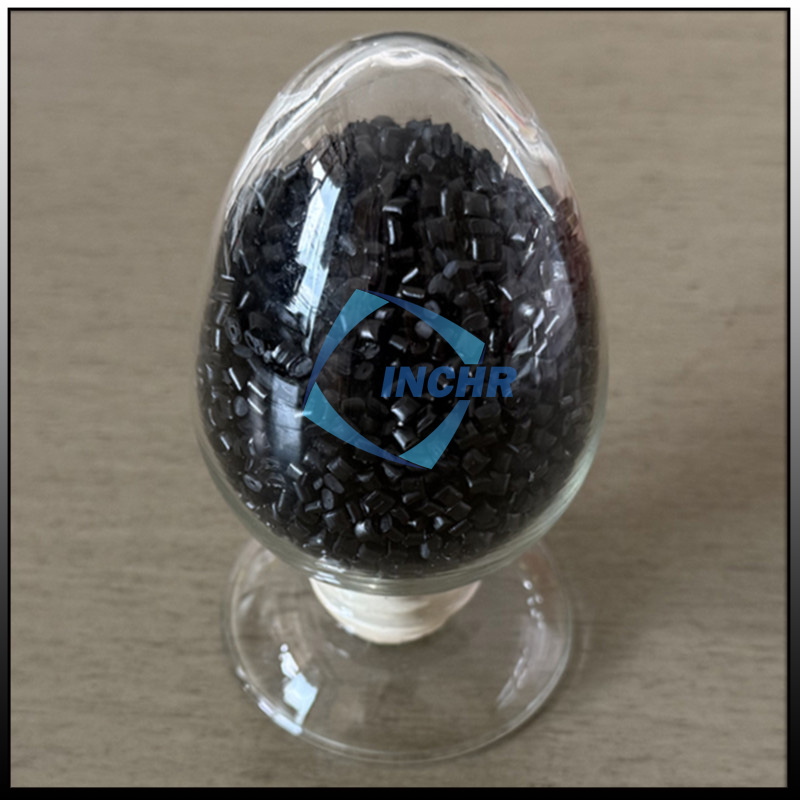
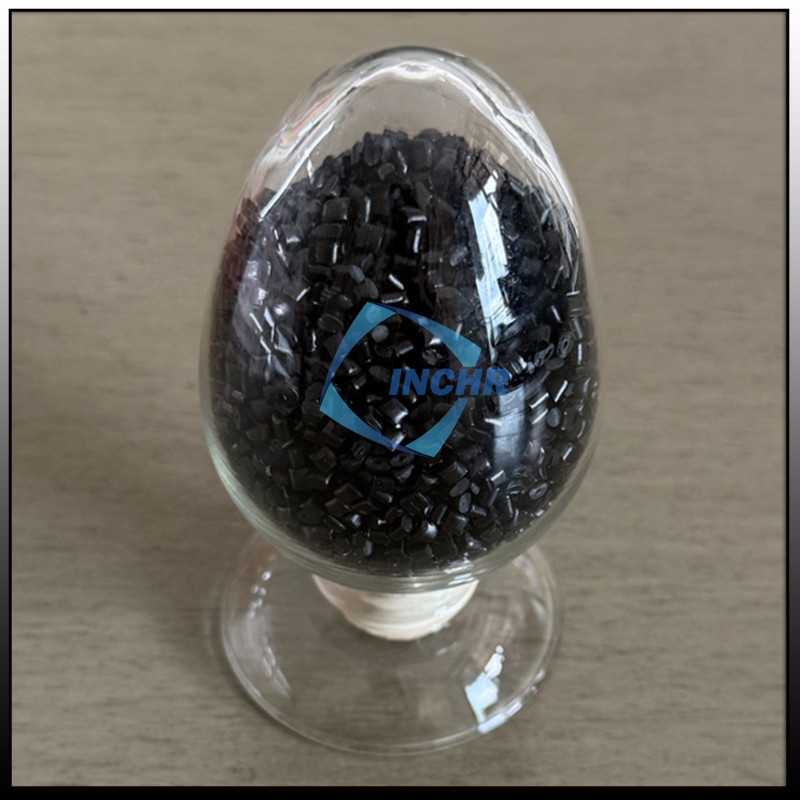
Antistatic masterbatch is a specialized additive blended into plastic resins to reduce static accumulation. It modifies the electrical properties of the material, allowing charges to dissipate more effectively.
Antistatic Masterbatch Selection Guide
3. How Antistatic Masterbatch Works
3.1 Increasing Surface Conductivity
Antistatic agents migrate to the surface of the plastic and form a thin conductive layer. This layer absorbs moisture from the air, enabling static charges to dissipate.
3.2 Reducing Charge Accumulation
By lowering surface resistivity, the material prevents excessive charge buildup during handling or operation.
3.3 Enhancing Charge Dissipation
Instead of accumulating, static electricity is safely released into the surrounding environment.
4. Types of Antistatic Effects
4.1 Internal Antistatic Agents
- Blended directly into the polymer
- Provide long-lasting performance
- Gradually migrate to the surface
4.2 External Antistatic Coatings
- Applied to the surface after production
- Offer immediate but temporary results
5. Key Benefits in Plastic Products
Using antistatic masterbatch delivers multiple advantages:
- Cleaner Surfaces: Reduces dust attraction and contamination
- Improved Safety: Minimizes ESD risks in sensitive environments
- Better Processing Efficiency: Prevents sticking and handling issues
- Enhanced Product Quality: Maintains appearance and functionality
6. Common Applications
Antistatic masterbatch is widely used in:
- Packaging Films and Containers
- Electronic Component Packaging
- Automotive Interior Parts
- Consumer Plastic Products
7. Factors Affecting Performance
The effectiveness of antistatic masterbatch depends on:
- Polymer type and compatibility
- Environmental humidity
- Additive concentration
- Processing conditions
Selecting the right formulation ensures optimal results for specific applications.
Conclusion
Antistatic masterbatch plays a crucial role in reducing static electricity in plastic products by improving surface conductivity and enabling charge dissipation. For manufacturers, it offers a practical and efficient solution to enhance product quality, safety, and performance across a wide range of industries.