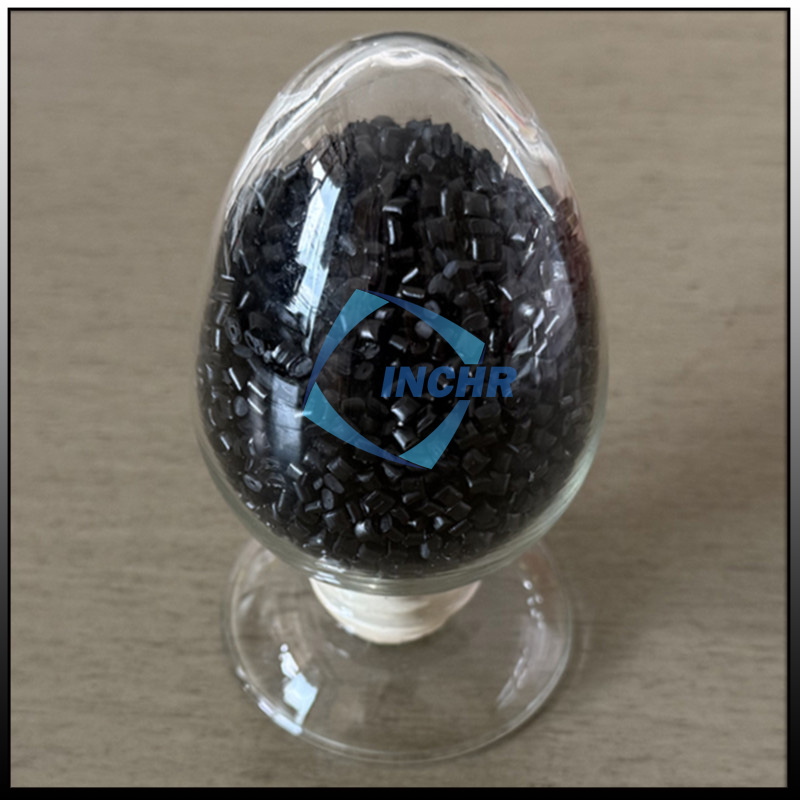
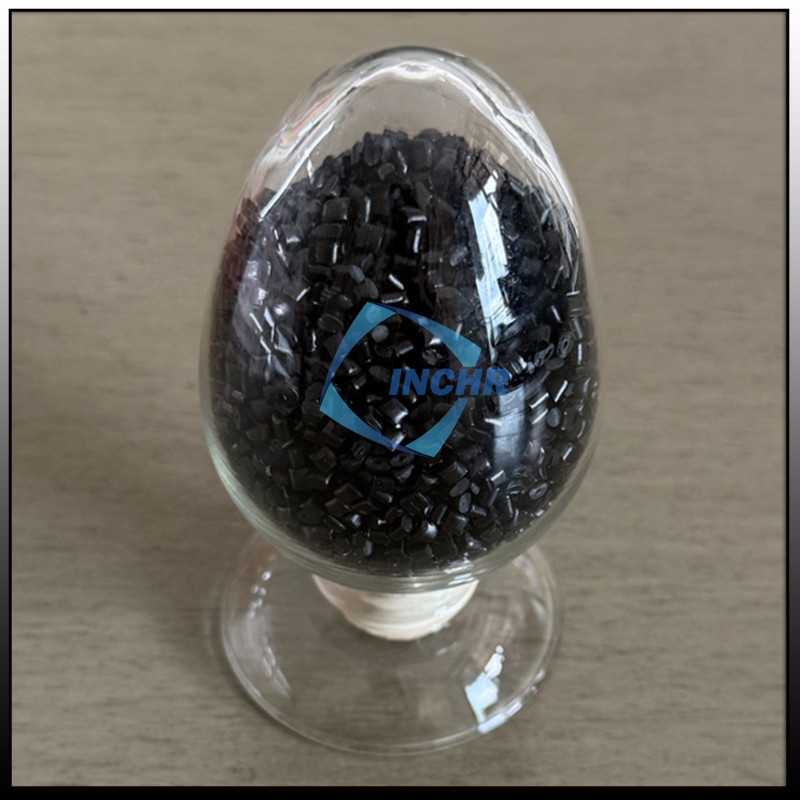
Many plastic manufacturers find that the same batch of antistatic masterbatch may deliver inconsistent static control effects in actual production. This is usually not caused by product quality issues, but by various production and environmental factors that interfere with antistatic performance. Understanding these influencing factors helps factories adjust production parameters accurately and maximize the practical value of antistatic masterbatch.
The addition ratio and dispersion uniformity are the most direct factors affecting antistatic effect. Insufficient addition will lead to uneven surface resistance and failure to meet expected antistatic standards. On the contrary, excessive addition not only increases production cost, but may also cause surface precipitation and affect product appearance and smoothness. Good dispersion ensures that antistatic active agents are evenly distributed in the plastic matrix, avoiding local static failure caused by particle agglomeration. For products with complex structures or large thickness differences, higher dispersion requirements are needed to ensure consistent antistatic performance at all positions.
Processing temperature and production technology also have a significant impact on antistatic masterbatch performance. Most antistatic agents have a certain temperature resistance range. When the processing temperature exceeds the bearing limit, partial decomposition of active ingredients will occur, directly reducing the final antistatic effect. Different processing methods such as film blowing, injection molding and extrusion produce different shear forces, which affect the migration rate and distribution state of antistatic agents inside the material. Factories should adjust the addition ratio appropriately according to their own processing temperature and equipment shear strength.
Environmental humidity is a key influencing factor that is easily overlooked by production personnel. Traditional migratory antistatic masterbatch relies on air humidity to form a micro conductive water film on the plastic surface. In dry environments, the antistatic effect will decrease significantly, while in high-humidity environments, the static dissipation speed will be obviously faster. Permanent antistatic masterbatch is less affected by humidity and can maintain stable resistance in both dry and humid environments. Manufacturers should select appropriate antistatic masterbatch types according to the final use environment of the product.
The compatibility between base resin and other additives also affects the final antistatic performance. Different plastic substrates such as PE, PP and ABS have different molecular structures and crystallinity, which directly affect the migration speed of antistatic agents to the surface. In addition, additives such as fillers, color masterbatch and lubricants added in production may interact with antistatic agents, weakening or even offsetting the antistatic effect. When multiple additives are used together, compatibility tests should be carried out in advance to avoid mutual interference and performance loss.
In general, the final effect of antistatic masterbatch is the result of the combined action of multiple factors. By scientifically controlling the addition ratio, optimizing processing parameters and selecting matching product types, factories can achieve stable and reliable antistatic effects. It is recommended to conduct small-batch tests before formal mass production to verify the actual effect under specific process conditions and avoid unnecessary production losses.