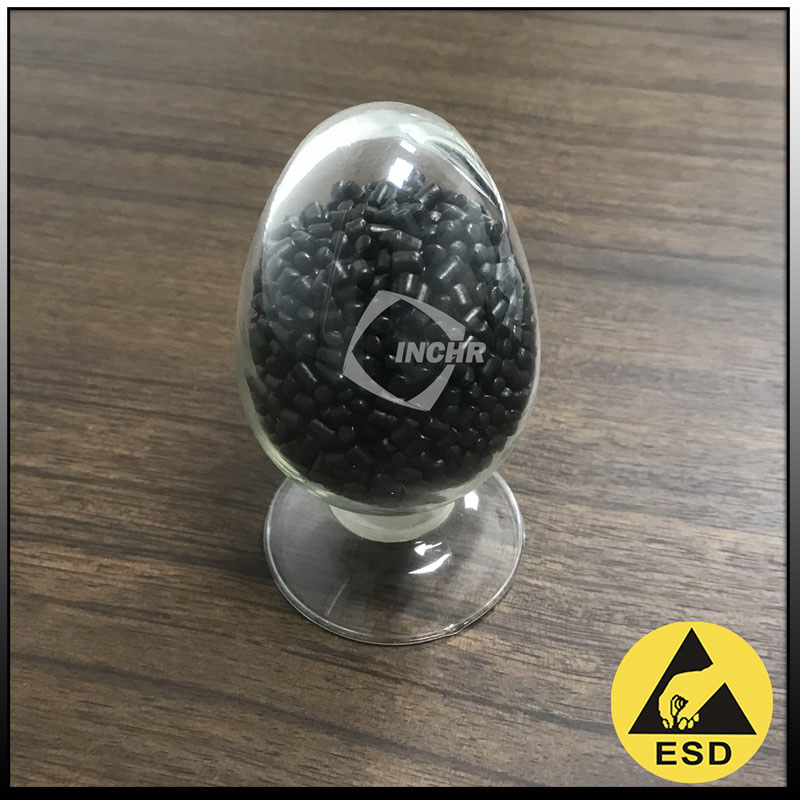
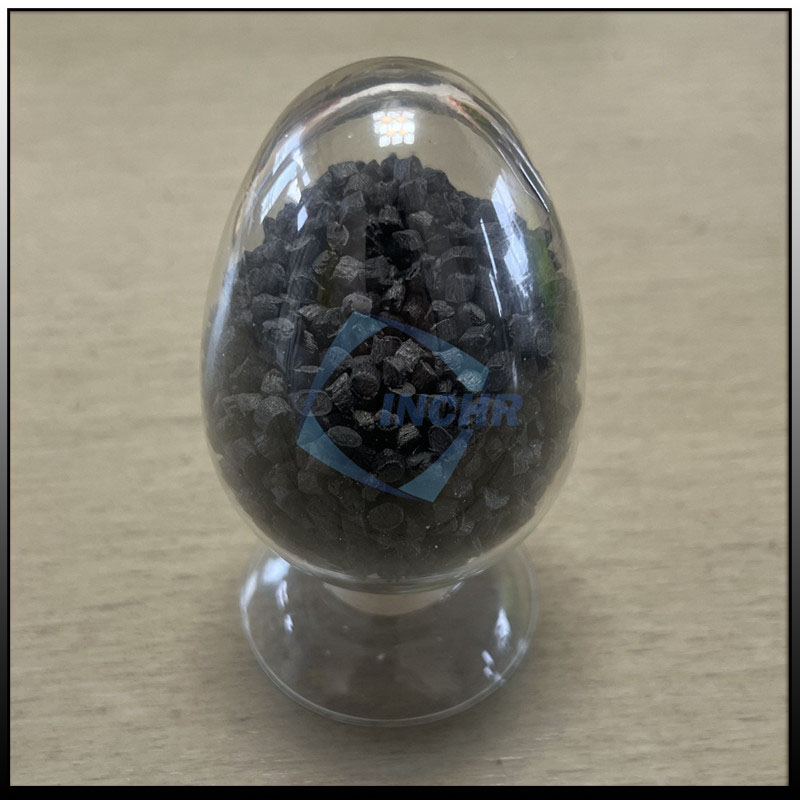
Conductive compounds are materials that allow the flow of electric current, playing a pivotal role in modern technology, from electronics to energy storage. Understanding their composition, conductivity, and technical specifications is essential for engineers and researchers aiming to optimize performance in applications like batteries, sensors, and conductive inks. This article delves into these aspects, providing a concise overview backed by scientific principles.
Composition of Conductive Compounds
Conductive compounds can be broadly categorized into metals, semiconductors, and conductive polymers. Metals, such as copper and silver, owe their conductivity to a sea of delocalized electrons that move freely through a metallic lattice. Semiconductors like silicon have a band gap that allows controlled conductivity under specific conditions, making them ideal for transistors. Conductive polymers, such as polyacetylene, feature conjugated double bonds that enable electron mobility.
The composition often includes additives—for instance, carbon-based materials like graphene or carbon nanotubes are blended to enhance conductivity in composites. Learn more about conductive polymers in our advanced materials section. Key factors influencing composition include purity, crystal structure, and doping levels, which alter electrical properties significantly.
Conductivity Mechanisms
Conductivity, measured in siemens per meter (S/m), depends on the material’s ability to facilitate electron or ion movement. In metals, conductivity is high due to free electrons, with silver ranking among the best conductors (≈63 × 10^6 S/m). Semiconductors exhibit variable conductivity controlled by temperature or impurities; for example, doping silicon with phosphorus increases electron density. Ionic conductors, like electrolytes in batteries, rely on ion migration. Factors such as temperature, impurities, and mechanical stress impact conductivity—copper’s conductivity decreases with rising temperature due to increased lattice vibrations. Understanding these mechanisms helps in selecting materials for specific environments, such as high-temperature applications.
Technical Specifications
Technical specifications provide practical metrics for application. Key parameters include:
• Resistivity: The inverse of conductivity, often measured in ohm-meters (Ω·m). For instance, copper has a resistivity of about 1.68 × 10^-8 Ω·m.
• Temperature Coefficient: Indicates how resistivity changes with temperature; positive for metals, negative for semiconductors.
• Thermal Conductivity: Important for heat dissipation, with units in W/(m·K). Silver excels here with ≈430 W/(m·K).
• Durability: Specifications like corrosion resistance or flexibility, critical for wiring or wearable tech.
Standards from organizations like ASTM ensure consistency. For conductive adhesives, specifications might include viscosity and curing time. These specs guide design choices, ensuring safety and efficiency.
Applications and Conclusion
Conductive compounds are ubiquitous in electronics (e.g., PCB traces), energy storage (battery electrodes), and emerging fields like flexible electronics. Innovations in nanomaterials promise higher conductivity with lower weight. By mastering composition, conductivity, and technical specs, industries can drive advancements in sustainability and performance. As research evolves, these compounds will continue to shape technological frontiers.
This article summarizes the core aspects of conductive compounds, highlighting their critical role in innovation.