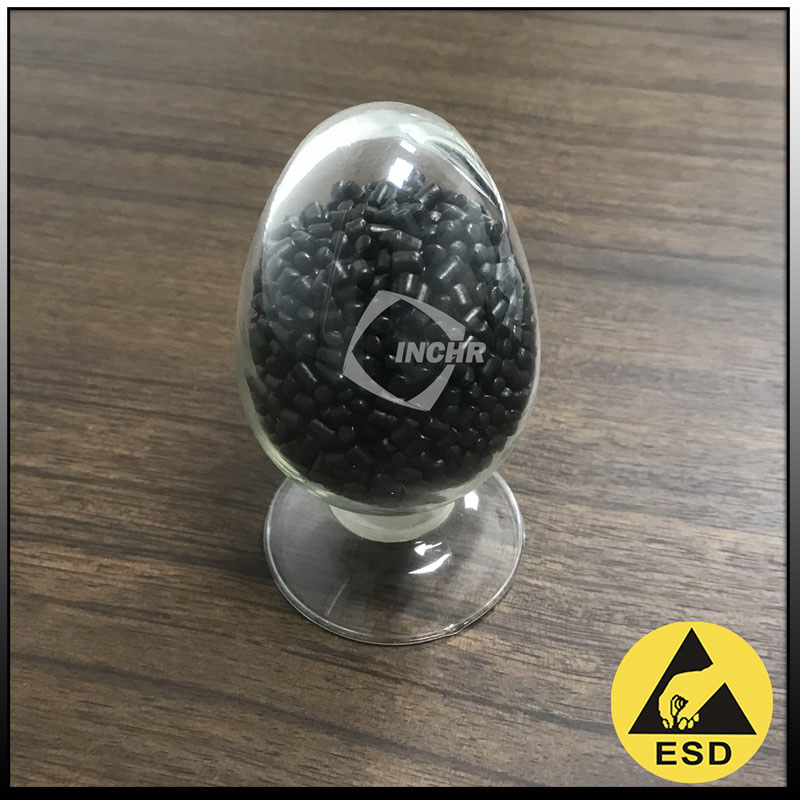
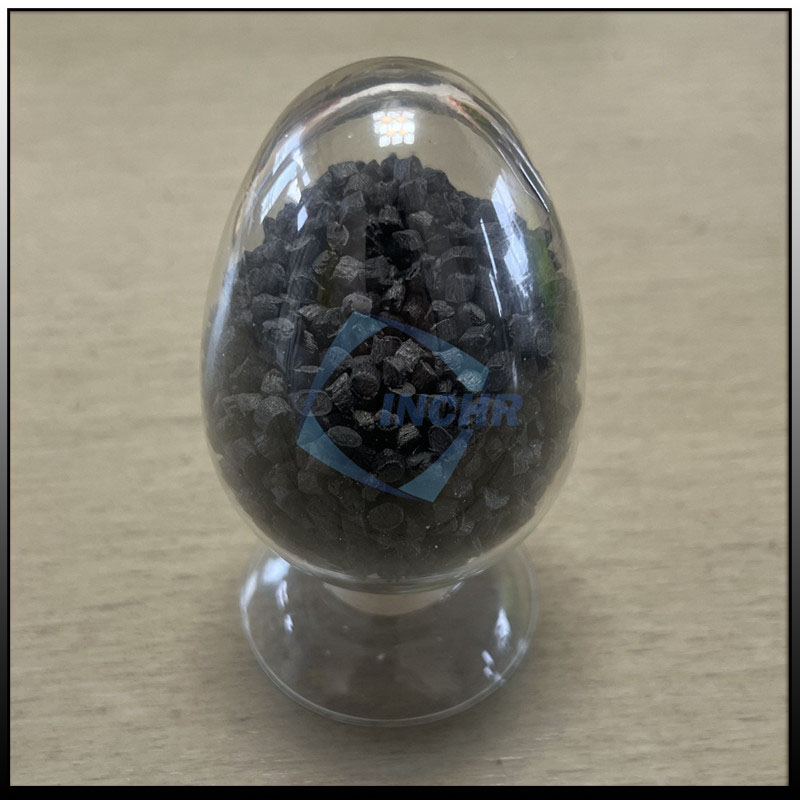
Conductive compounds are specialized materials engineered to conduct electricity while offering the versatility of polymers or composites. They are crucial in modern industries, from electronics to automotive, where electromagnetic shielding, static dissipation, or electrical connectivity is required. This guide provides a structured approach to selecting and applying these compounds, ensuring optimal performance and cost-efficiency.
What Are Conductive Compounds?
Conductive compounds are materials that incorporate conductive fillers—such as carbon black, metallic particles, or graphene—into a non-conductive polymer matrix. This blend results in a lightweight, moldable material with tailored electrical properties. Unlike pure metals, these compounds can be injection-molded or extruded into complex shapes, making them ideal for applications like enclosures, connectors, and sensors. Their conductivity ranges from antistatic (10^6–10^9 Ω/sq) to highly conductive (<10 Ω/sq), depending on the filler type and concentration. For a deeper dive into material science, refer to our internal resource on polymer conductivity basics .
Types and Key Properties
Understanding the types of conductive compounds is the first step in selection. Common categories include:
Carbon-based compounds: Using carbon black or graphite, these offer cost-effective antistatic properties. They are suitable for packaging or flooring but may have limited conductivity.
Metal-filled compounds: With silver, copper, or nickel fillers, these provide high conductivity for EMI shielding or electrodes. However, they can be heavier and prone to oxidation.
Advanced composites: Incorporating nanomaterials like carbon nanotubes or graphene, these deliver superior conductivity with minimal filler loading, ideal for high-performance electronics.
Key properties to evaluate include volume resistivity, mechanical strength, thermal stability, and environmental resistance. For instance, compounds used in aerospace must withstand extreme temperatures, while those in medical devices require biocompatibility. External resources like the International Electrotechnical Commission provide standards for testing these properties.
Selection Criteria
Selecting the right conductive compound involves balancing electrical requirements with practical constraints. Consider these factors:
Application needs: Define the required conductivity level—static control versus full EMI shielding. For example, electronics housings might need 10^2–10^4 Ω/sq resistivity.
Material compatibility: Ensure the compound adheres to substrates and resists chemicals, humidity, or UV exposure. Polyethylene-based compounds are cost-effective but less durable than engineering thermoplastics like PEEK.
Processing method: Injection molding, extrusion, or 3D printing? Compounds must flow well during processing without degrading fillers. Consult our guide on injection molding tips for best practices.
Cost and availability: Carbon-filled compounds are economical, while silver-filled ones are premium. Always factor in lifecycle costs, including maintenance.
Regulatory compliance, such as RoHS or REACH, is also critical. Partner with suppliers who provide certification data.
Applications Across Industries
Conductive compounds are versatile, enabling innovations in diverse sectors:
Electronics: Used in smartphone casings, circuit board components, and connectors to prevent static buildup and interference.
Automotive: Applied in sensors, battery housings, and lightweight shielding for electric vehicles, enhancing safety and efficiency.
Aerospace: Critical for avionics shielding and composite structures, where weight savings and reliability are paramount.
Healthcare: In medical devices like MRI equipment or wearable sensors, ensuring precision and patient safety.
Emerging trends include sustainable compounds with recycled fillers, driven by green initiatives. For industry updates, follow authoritative sources like ACS Materials Letters.
Conclusion
Choosing and applying conductive compounds requires a methodical approach, focusing on electrical specs, environmental factors, and processing needs. By leveraging this guide, engineers and designers can optimize material selection for reliability and innovation. As technology evolves, these compounds will continue to enable smarter, safer products across global markets.