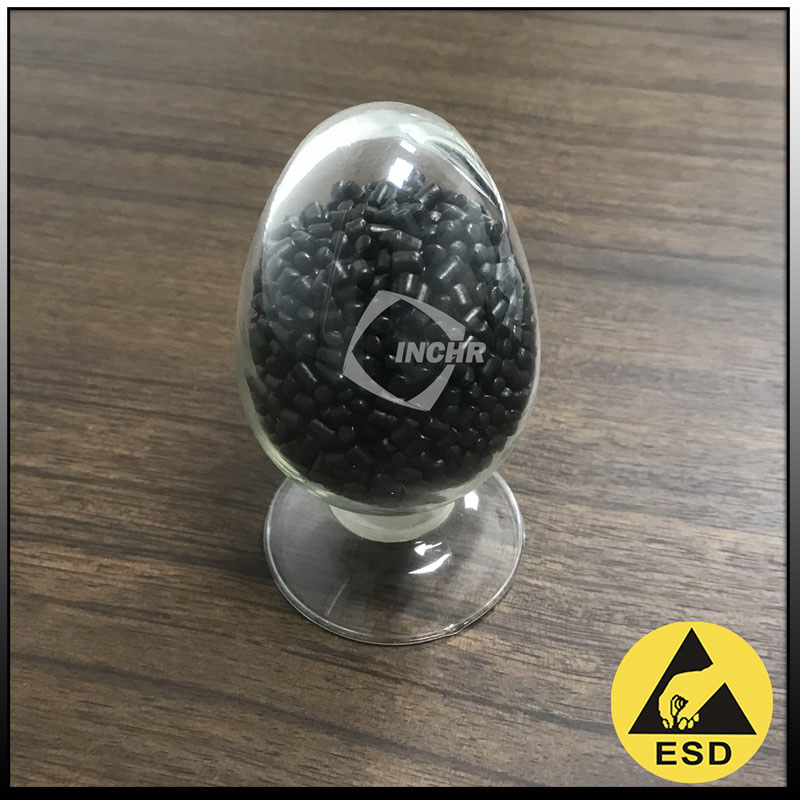
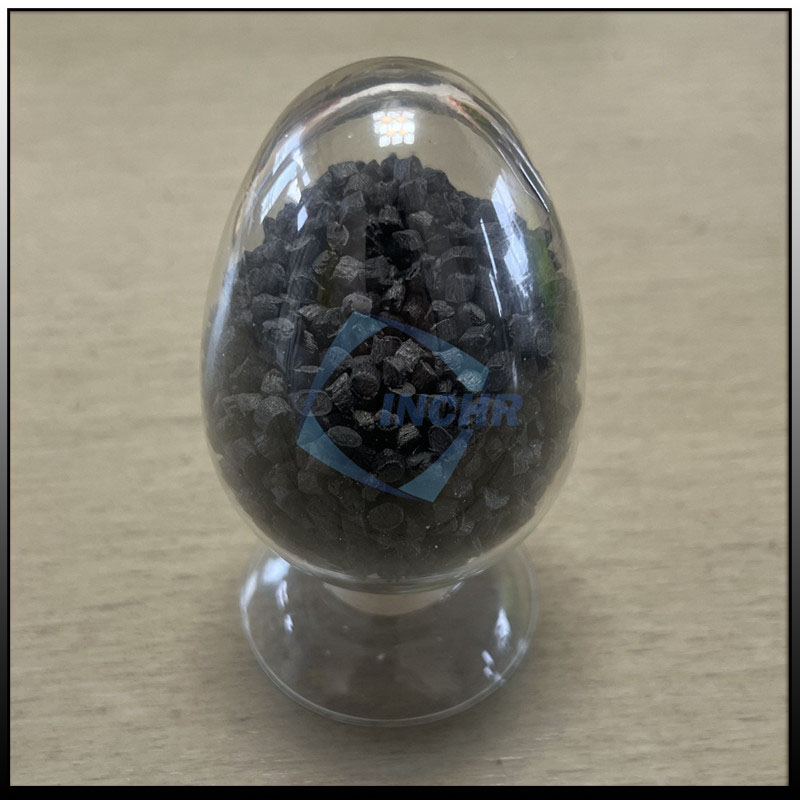
The automotive industry is undergoing a transformative shift towards electrification and connectivity, placing unprecedented demands on electronic components. From advanced driver-assistance systems (ADAS) to electric vehicle (EV) powertrains, reliable electrical performance is paramount. Conductive compounds—specially engineered materials that provide electrical conductivity—are emerging as critical solutions to ensure the durability, efficiency, and safety of these complex systems. This article explores the types, applications, and benefits of these innovative materials.
What Are Conductive Compounds?
Conductive compounds are polymer-based materials, such as plastics or elastomers, that are infused with conductive fillers like carbon black, carbon fibers, or metal particles. These fillers create pathways for electrical current within the material, allowing it to dissipate static electricity, provide electromagnetic interference (EMI) shielding, or even function as a conductor. Unlike traditional metals, these compounds offer design flexibility, corrosion resistance, and weight reduction, making them ideal for the harsh automotive environment.
Key Applications in Automotive Electronics
The use of conductive compounds is widespread across various automotive electronic components:
EMI Shielding: Modern vehicles are packed with sensitive electronics that can interfere with each other. Conductive plastics are molded into shields for control units, sensors, and infotainment systems, effectively blocking electromagnetic noise. This is crucial for the flawless operation of ADAS and V2X communication systems. Learn more about specific component applications on our Automotive Shielding Solutions page.
Static Dissipation: Fuel systems, sensors, and battery housings require protection from electrostatic discharge (ESD), which can damage microchips. Conductive compounds safely channel static electricity away, preventing costly failures.
Heating Elements: Conductive inks and compounds are used in printed heaters for side mirrors, seats, and battery thermal management in EVs, offering efficient and uniform heating.
Connectors and Housings: Components like wire harness connectors and sensor housings benefit from the lightweight and corrosion-resistant properties of conductive composites, ensuring long-term electrical connectivity.
Advantages Over Traditional Materials
The shift from metals to conductive compounds offers significant advantages:
Weight Reduction: Polymers are inherently lighter than metals, contributing directly to improved fuel efficiency and extended EV range—a key industry goal.
Design Freedom: Injection molding allows for complex, integrated part geometries that are impossible with metal stamping. This enables miniaturization and consolidation of parts, simplifying assembly.
Corrosion Resistance: Conductive polymers are immune to rust, which is a major concern for metal components exposed to road salts and varying weather conditions, enhancing longevity.
Cost-Effectiveness: High-volume molding can be more economical than metal fabrication, reducing overall production costs.
Challenges and Considerations
Despite their benefits, selecting the right conductive compound requires careful consideration. Key challenges include maintaining stable conductivity under extreme temperatures (-40°C to 150°C+), ensuring sufficient mechanical strength, and managing the higher material cost compared to standard plastics. Engineers must work closely with material suppliers to select compounds that meet specific performance requirements, as outlined in industry standards from organizations like AE Internationa.
The Future of Conductive Compounds
The future is bright for conductive compounds in the automotive sector. As vehicles evolve into fully autonomous, software-defined platforms, the demand for robust and intelligent electronic systems will soar. Research is focused on developing compounds with higher conductivity, self-healing properties, and sustainability using bio-based polymers or recycled content. These advancements will be fundamental to building the next generation of smarter, safer, and greener vehicles.