In our increasingly electronic world, the flow of electricity is fundamental. This flow is made possible by materials known as conductive compounds. From the processor in your smartphone to the batteries powering electric vehicles, these substances are the unsung heroes of modern technology. This guide delves into what they are, the different types available, and their critical applications.
What Are Conductive Compounds?
A conductive compound is any material that allows the movement of electric charge (electrons or ions) with minimal resistance. This property, known as electrical conductivity, is measured in Siemens per meter (S/m). The key to conductivity lies in the atomic structure: compounds with freely moving electrons or ions can easily carry a current, while those with tightly bound particles are insulators.
Conductive compounds can be elements, like pure copper, but more often they are chemical compounds or mixtures engineered to enhance specific properties like flexibility, corrosion resistance, or cost-effectiveness.
Key Types of Conductive Compounds
Conductive materials are broadly categorized based on their mechanism and composition.
1. Metallic Conductors
These are the most traditional and widely used conductors. They conduct electricity through the free movement of delocalized electrons.
Elements: Pure metals like Copper (Cu), Silver (Ag) — the most conductive element — and Aluminum (Al). They are used extensively in wiring, circuits, and contacts.
Alloys: Mixtures of metals designed for improved strength or resistance. For example, Brass (copper and zinc) and Solder (tin and lead, though lead-free versions are now common).
2. Carbon-Based Conductors
Carbon exhibits unique allotropes with varying conductive properties.
Graphite: Found in pencils, its layered structure allows electrons to move freely within the planes, making it a good conductor. It’s crucial for electrodes in batteries and fuel cells.
Graphene: A single layer of graphite atoms, renowned for its exceptional electrical conductivity, strength, and flexibility. It is a breakthrough material for advanced electronics and sensors.
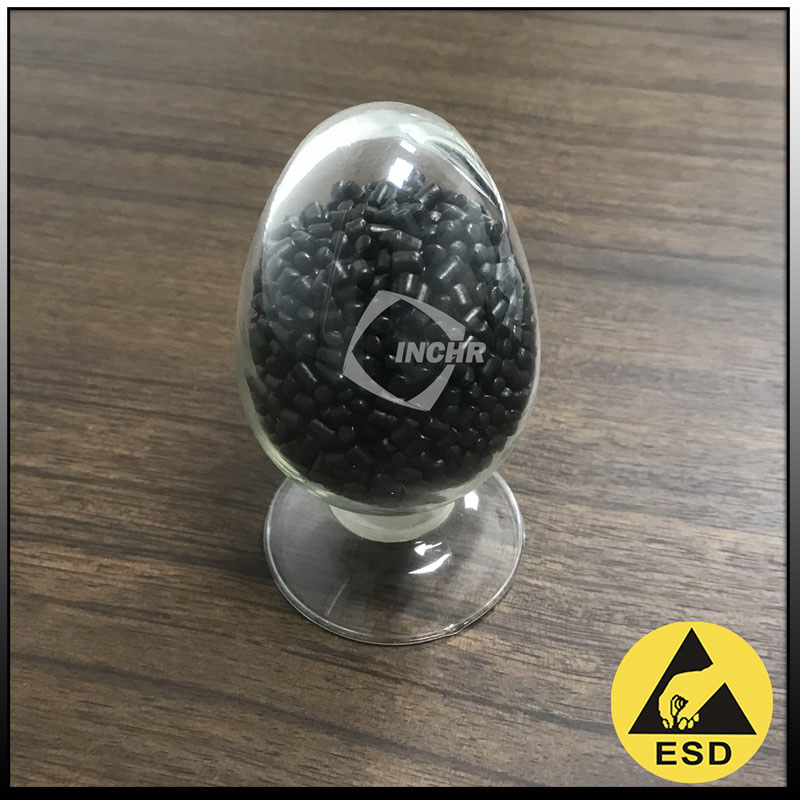
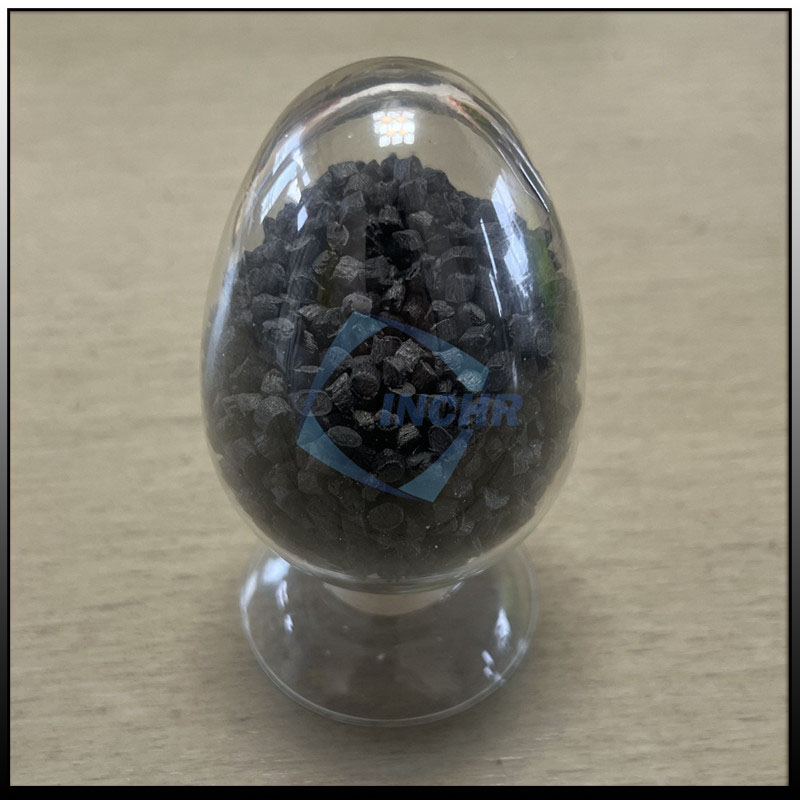
Carbon Black: Used as a filler to make plastics and rubber conductive, often seen in anti-static bags and automotive hoses.
3. Conductive Polymers
Once considered only insulators, certain polymers can be made conductive through a process called “doping.” This introduces charge carriers into their molecular structure.
Examples: Polyaniline (PANI), Polypyrrole (PPy), and PEDOT:PSS.
Key Trait: Their flexibility and processability make them ideal for applications where rigid metals fail, such as in organic light-emitting diodes (OLEDs) for displays and flexible sensors. Learn more about the science of polymer conductivity from the American Chemical Society (ACS) .
4. Ionic Conductors
These compounds conduct electricity not with electrons but through the movement of ions (charged atoms or molecules). This typically occurs in a solution or molten state.
Examples: Saltwater (sodium chloride in water), electrolytes in batteries (like lithium hexafluorophosphate in Li-ion batteries), and biological systems (nerve signal transmission).
Key Uses and Applications of Conductive Compounds
The uses of these materials are vast and touch nearly every industry.
Electronics and Circuitry: This is the most obvious application. Copper and gold are staples in printed circuit boards, microchips, and connecting wires due to their high conductivity and stability. [Image: A close-up of a complex printed circuit board with copper traces]
Energy Storage and Generation: Conductive compounds are the backbone of energy technology. Graphite and lithium metal oxides are essential for battery electrodes. Conductive pastes are used in solar cells to collect and transport generated electricity.
Transparent Conductive Films: Indium Tin Oxide (ITO) is a ceramic compound that is both transparent and conductive. It coats the screens of smartphones, tablets, and LCDs. Research is actively seeking alternatives like silver nanowires and conductive polymers to replace scarce indium.
Antistatic and EMI Shielding: Many electronic devices are sensitive to static discharge or electromagnetic interference (EMI). Plastics infused with carbon black or metallic fibers dissipate static charge and shield components from EMI.
Medical and Biomedical Devices: Conductive polymers and hydrogels are revolutionizing medicine. They are used in biosensors, neural implants that interface with nervous tissue, and smart drug delivery systems. Explore our guide on advanced materials in medicine for more information.
Wearable Technology: The demand for flexible, stretchable electronics has brought conductive polymers and silver-based inks to the forefront. They are printed onto fabrics to create smart clothing that can monitor heart rate, temperature, and other biometrics.
Conclusion
Conductive compounds are a diverse and critical class of materials that form the foundation of our electronic age. From the humble copper wire to the futuristic graphene sheet, their ability to facilitate the flow of electricity drives innovation across electronics, energy, medicine, and beyond. As technology continues to evolve towards flexibility and miniaturization, the development of new and improved conductive compounds will remain at the forefront of materials science.