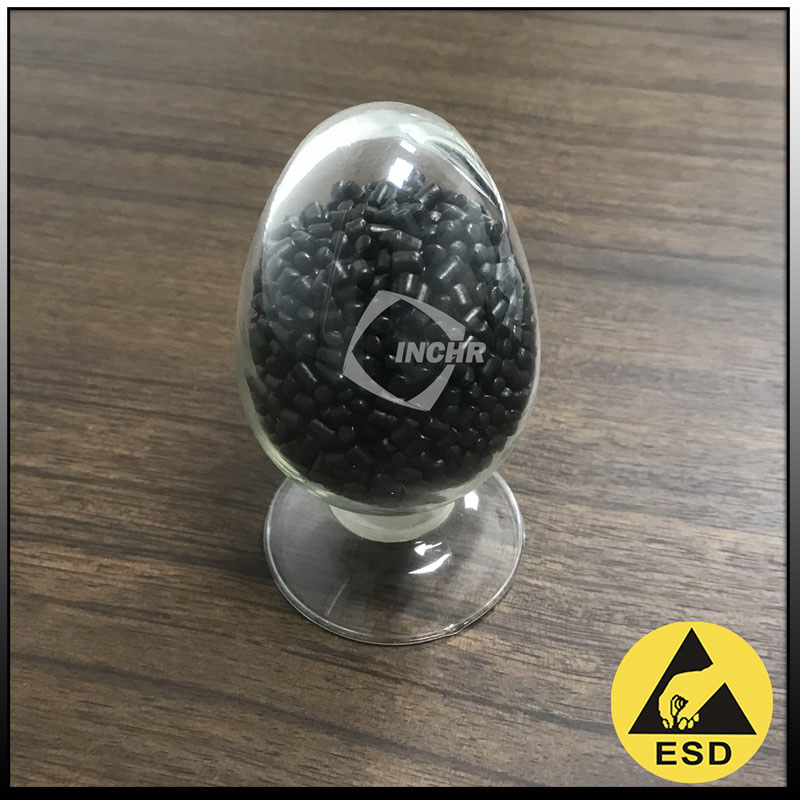
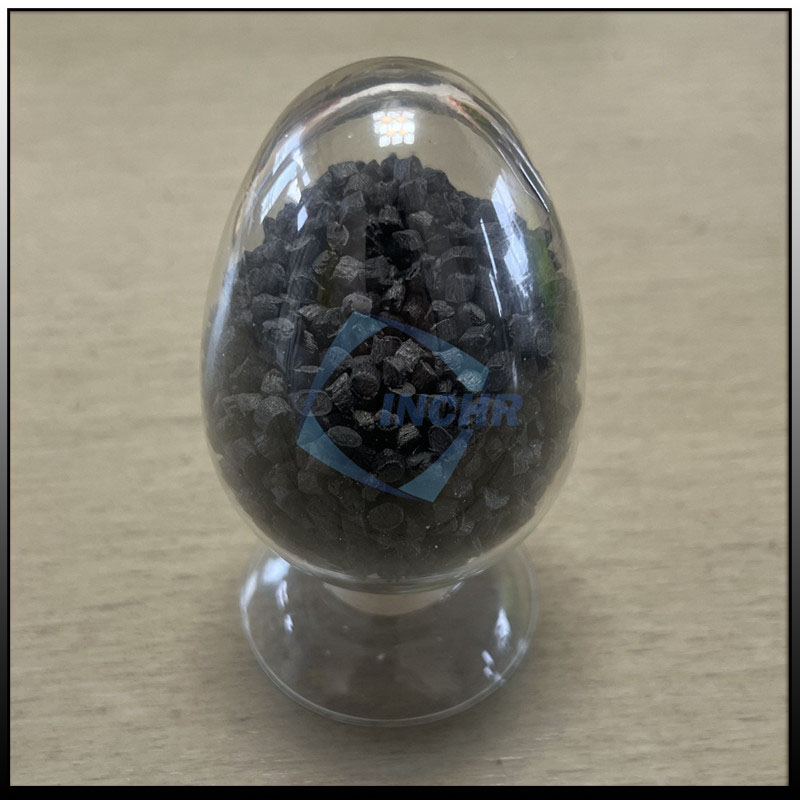
In the rapidly evolving world of electronics, conductive compounds are revolutionizing how devices are designed, manufactured, and deployed. These advanced materials, which include conductive polymers, ceramics, and composites, enable seamless electrical conductivity while offering unique physical properties. From smartphones to renewable energy systems, conductive compounds are at the heart of modern innovation.
What Are Conductive Compounds?
Conductive compounds are synthetic materials engineered to conduct electricity efficiently. Unlike traditional metals, they can be tailored for flexibility, corrosion resistance, and lightweight properties. Common examples include:
Conductive Polymers: Like PEDOT:PSS, used in flexible displays.
Ceramic Composites: Such as indium tin oxide (ITO), vital for transparent electrodes.
Carbon-Based Compounds: Including graphene-infused polymers, ideal for high-strength applications.
Key Applications in Electronics
1. Printed Circuit Boards (PCBs)
Conductive epoxy resins and inks replace traditional soldering, enabling faster prototyping and more durable connections.
2. Display Technologies
Transparent conductive compounds like ITO and silver nanowires form the backbone of touchscreens, OLEDs, and LCDs. They allow for crisp displays without compromising conductivity.
3. Photovoltaic Cells
Solar panels leverage conductive polymers to enhance light absorption and electron transport, boosting energy conversion rates.
4. Sensors and Wearables
Flexible its integrate into health monitors and smart textiles, enabling stretchable circuits that withstand repeated motion.
5. EMI Shielding
Conductive composites shield devices from electromagnetic interference (EMI), critical for aerospace and medical equipment reliability.
Benefits of Conductive Compounds
Enhanced Efficiency: Improved electrical pathways reduce energy loss.
Miniaturization: Enable smaller, denser circuits for compact devices.
Sustainability: Many compounds are recyclable and reduce reliance on rare metals.
Cost-Effectiveness: Scalable production techniques like inkjet printing lower manufacturing costs.
Future Outlook
Research focuses on biodegradable conductors and ultra-high-capacity materials for next-gen batteries and quantum computing. As demand grows, It will drive greener, faster, and more interconnected electronics.
By integrating conductive compounds, the electronics industry continues to break barriers in performance and sustainability. Stay tuned to our web for more insights!